 EN
EN

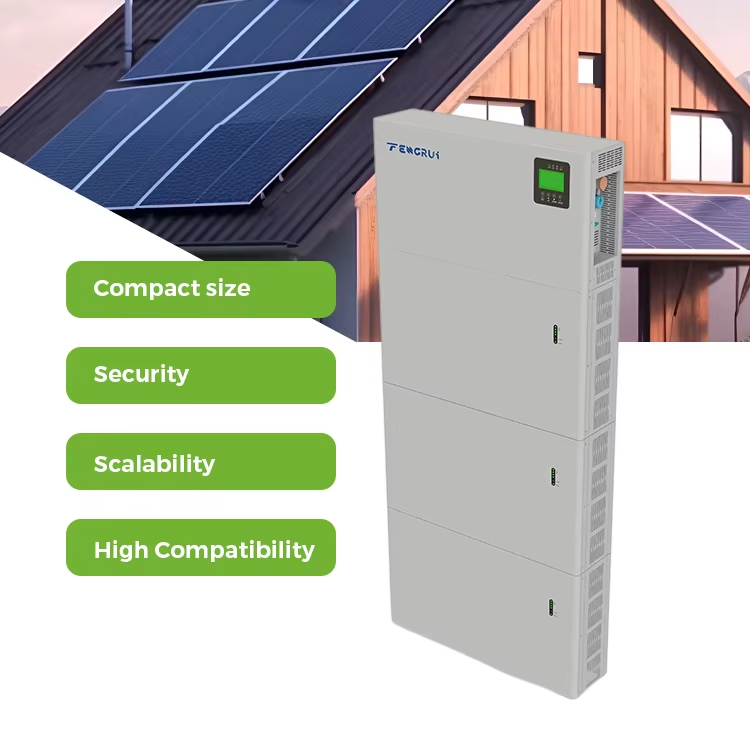
The industrial equipment sector is experiencing a significant transformation as manufacturers and facility managers seek more efficient, reliable, and sustainable power solutions. Traditional lead-acid batteries have dominated industrial applications for decades, but lithium iron phosphate technology is rapidly gaining traction across various sectors. This shift represents more than just a technological upgrade—it signals a fundamental change in how businesses approach energy storage and equipment reliability in demanding industrial environments.
Industrial facilities worldwide are recognizing that their power storage needs have evolved beyond what traditional battery technologies can efficiently provide. The demands of modern industrial equipment require power solutions that can deliver consistent performance, withstand harsh operating conditions, and provide long-term economic value. As operations become more automated and dependent on reliable power systems, the limitations of conventional battery technologies become increasingly apparent.
Understanding LFP Battery Technology
Chemical Composition and Structure
Lithium iron phosphate batteries utilize a specific cathode chemistry that sets them apart from other lithium-ion variants. The iron phosphate cathode material provides inherent stability and safety characteristics that make these batteries particularly suitable for industrial applications. Unlike other lithium chemistries that may pose thermal runaway risks, the phosphate-based structure creates a more stable electrochemical environment.
The crystalline structure of iron phosphate creates strong bonds that resist decomposition even under extreme conditions. This stability translates directly into enhanced safety performance and extended operational life. The three-dimensional framework of the phosphate ions provides multiple pathways for lithium ion movement, ensuring consistent power delivery throughout the battery's operational life.
Performance Characteristics
The performance profile of LFP batteries demonstrates significant advantages in industrial environments. These systems typically achieve over 6000 charge-discharge cycles while maintaining 80% of their original capacity, compared to 300-500 cycles for traditional lead-acid alternatives. The flat discharge curve ensures consistent voltage output throughout the discharge cycle, providing stable power to sensitive industrial equipment.
Temperature tolerance represents another critical advantage, with LFP technology operating effectively in environments ranging from -20°C to 60°C. This wide operating range eliminates the need for climate-controlled battery rooms in many applications, reducing facility infrastructure requirements and associated costs. The low self-discharge rate of less than 3% per month ensures that equipment remains ready for operation even after extended periods of inactivity.
Industrial Applications and Use Cases
Material Handling Equipment
Forklifts and automated guided vehicles represent prime applications for LFP battery technology in industrial settings. The high energy density allows for longer operational periods between charges, while the rapid charging capability minimizes downtime during shift changes. Unlike lead-acid systems that require lengthy charging periods and cooling time, LFP batteries can accept high charging currents without degradation.
The elimination of periodic maintenance requirements associated with lead-acid batteries reduces operational complexity significantly. Industrial facilities no longer need to schedule regular water additions, terminal cleaning, or equalization charges. This maintenance reduction translates into lower labor costs and improved equipment availability for productive operations.
Backup Power Systems
Critical industrial processes require reliable backup power to prevent costly production interruptions and equipment damage. LFP batteries excel in uninterruptible power supply applications due to their instant response time and consistent power output. The technology's ability to deliver full rated power immediately upon demand ensures seamless transitions during power outages.
The compact footprint of LFP battery systems allows for more flexible installation options in space-constrained industrial facilities. The reduced weight compared to equivalent lead-acid capacity eliminates structural reinforcement requirements for floor mounting and simplifies rack-mounted configurations. These installation advantages often result in significant facility modification cost savings.
Economic Analysis and Return on Investment
Initial Investment Considerations
The upfront cost of LFP batteries typically exceeds lead-acid alternatives by a factor of two to three times. However, this initial investment must be evaluated against the total cost of ownership over the equipment's operational life. The extended cycle life of LFP technology means that facilities may purchase one LFP system instead of multiple lead-acid replacements over the same period.
Installation costs for LFP systems often prove lower due to reduced infrastructure requirements. The elimination of ventilation systems for hydrogen gas management, simplified charging equipment, and reduced floor loading requirements contribute to lower facility preparation expenses. These infrastructure savings help offset the higher initial battery cost in many applications.
Operational Cost Benefits
The operational cost advantages of LFP batteries become apparent through reduced maintenance requirements and improved energy efficiency. Lead-acid batteries typically operate at 80-85% efficiency, while LFP systems achieve 95-98% efficiency ratings. This efficiency difference results in lower electricity costs and reduced heat generation in battery rooms.
Labor cost reductions represent a significant portion of the operational savings. The elimination of routine maintenance tasks such as specific gravity testing, terminal cleaning, and water additions frees maintenance personnel for other critical activities. Additionally, the reduced risk of battery-related downtime minimizes production losses and associated costs.
Safety and Environmental Considerations
Safety Performance Characteristics
The inherent safety characteristics of LFP batteries address many concerns associated with industrial power storage systems. The stable iron phosphate chemistry resists thermal runaway conditions even under abuse scenarios such as overcharging, physical damage, or exposure to extreme temperatures. This stability eliminates the explosion risk associated with hydrogen gas generation in lead-acid systems.
The absence of toxic heavy metals in LFP batteries creates a safer working environment for maintenance personnel. Unlike lead-acid systems that contain sulfuric acid and lead compounds, LFP technology eliminates exposure risks during installation, maintenance, and eventual disposal. This safety improvement simplifies training requirements and reduces regulatory compliance burdens.
Environmental Impact Assessment
The environmental benefits of LFP batteries extend beyond their operational characteristics to include manufacturing and end-of-life considerations. The absence of heavy metals eliminates groundwater contamination risks and simplifies recycling processes. The extended operational life reduces the frequency of battery replacements, minimizing manufacturing impact over the system's lifetime.
Energy efficiency improvements contribute to reduced carbon footprint through lower electricity consumption. The combination of higher round-trip efficiency and elimination of maintenance-related energy consumption for ventilation and climate control systems results in measurable environmental benefits. These improvements align with corporate sustainability initiatives and may contribute to environmental certification achievements.
Implementation Challenges and Solutions
Technical Integration Requirements
The transition from lead-acid to LFP batteries requires careful consideration of charging system compatibility and electrical infrastructure modifications. While many modern industrial battery chargers can accommodate LFP technology through software updates, older systems may require replacement or significant modification. The different charging characteristics of LFP batteries necessitate proper charger configuration to achieve optimal performance and longevity.
Battery management system integration represents another technical consideration for industrial applications. LFP batteries require sophisticated monitoring and protection systems to ensure safe operation and maximize performance. These systems must integrate with existing facility management systems and provide appropriate alarms and shutdown capabilities for fault conditions.
Training and Change Management
Successful implementation of LFP battery technology requires comprehensive training programs for maintenance and operations personnel. The different characteristics and handling requirements of LFP systems necessitate updates to maintenance procedures and safety protocols. Organizations must invest in training programs to ensure personnel understand the new technology's capabilities and limitations.
Change management initiatives must address potential resistance to new technology adoption and establish clear performance metrics for success evaluation. The transition period requires careful monitoring of system performance and user feedback to identify and address implementation challenges quickly. Effective communication of the benefits and proper use procedures ensures successful technology adoption across the organization.
Future Outlook and Technology Trends
Technological Advancement Trajectory
Ongoing research and development in LFP battery technology continue to improve performance characteristics and reduce costs. Advances in cathode materials and cell design are extending cycle life beyond current capabilities while improving energy density. These developments will further enhance the economic case for LFP adoption in industrial applications.
Manufacturing scale increases driven by electric vehicle adoption are creating economies of scale that benefit industrial applications. As production volumes increase, the cost differential between LFP and lead-acid technologies continues to narrow, making the transition more economically attractive for a broader range of applications.
Market Adoption Predictions
Industry analysts predict significant growth in LFP battery adoption for industrial applications over the next decade. The combination of improving cost-performance ratios and increasing awareness of total cost of ownership benefits drives market penetration across various industrial sectors. Early adopters are already demonstrating successful implementations that validate the technology's benefits.
Regulatory pressures for improved workplace safety and environmental performance are accelerating the transition timeline. As organizations seek to reduce their environmental footprint and improve workplace safety, LFP batteries provide a clear pathway for achieving these objectives while maintaining operational efficiency.
FAQ
How long do LFP batteries last compared to lead-acid in industrial applications
LFP batteries typically provide 6000 or more charge-discharge cycles while maintaining 80% capacity, compared to 300-500 cycles for lead-acid batteries. In industrial applications with daily cycling, this translates to 15-20 years of service life versus 1-2 years for lead-acid systems. The extended lifespan significantly reduces replacement costs and maintenance downtime over the equipment's operational life.
What are the main safety advantages of LFP batteries in industrial environments
LFP batteries eliminate the hydrogen gas generation risk associated with lead-acid systems, removing explosion hazards and ventilation requirements. The stable iron phosphate chemistry resists thermal runaway conditions, and the absence of toxic heavy metals creates a safer working environment for maintenance personnel. These safety improvements reduce regulatory compliance requirements and insurance costs.
Can existing industrial equipment be converted to use LFP batteries
Most industrial equipment can accommodate LFP batteries with appropriate charging system modifications or replacements. While the physical installation is typically straightforward due to reduced weight and size requirements, the charging system must be compatible with LFP charging characteristics. Many modern industrial battery chargers can be updated through software configuration, while older systems may require replacement.
What is the typical payback period for converting from lead-acid to LFP batteries
The payback period for LFP battery conversion typically ranges from 2-4 years, depending on the application intensity and local energy costs. High-cycle applications such as multi-shift forklift operations often achieve payback in under 2 years due to reduced replacement costs and improved operational efficiency. The payback calculation should include reduced maintenance costs, improved energy efficiency, and eliminated infrastructure requirements.
Table of Contents
- Understanding LFP Battery Technology
- Industrial Applications and Use Cases
- Economic Analysis and Return on Investment
- Safety and Environmental Considerations
- Implementation Challenges and Solutions
- Future Outlook and Technology Trends
-
FAQ
- How long do LFP batteries last compared to lead-acid in industrial applications
- What are the main safety advantages of LFP batteries in industrial environments
- Can existing industrial equipment be converted to use LFP batteries
- What is the typical payback period for converting from lead-acid to LFP batteries