 EN
EN

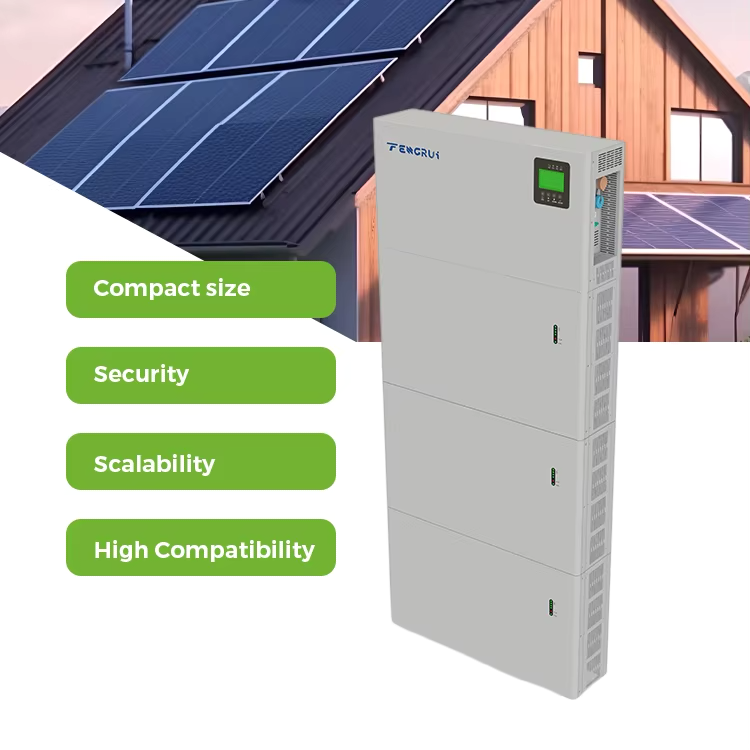
Maximizing return on investment with a solar battery system requires strategic planning, proper sizing, and understanding how energy storage enhances solar panel efficiency. A well-designed solar battery system can significantly reduce electricity bills, provide backup power during outages, and create long-term financial benefits through peak shaving and time-of-use optimization. The key to achieving maximum ROI lies in selecting the right battery capacity, integrating smart energy management features, and leveraging available incentives while considering your specific energy consumption patterns.
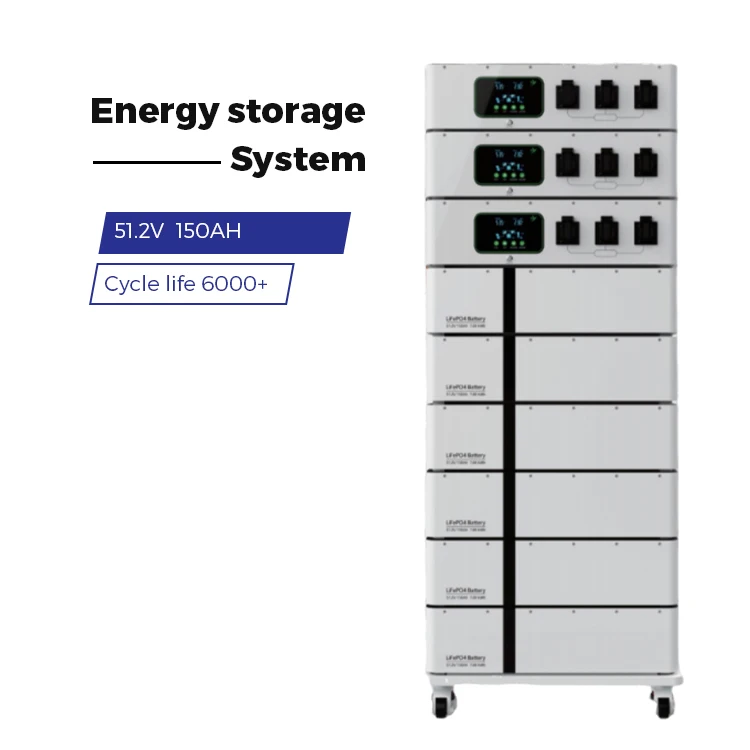
The financial benefits of a solar battery system extend far beyond simple energy storage, encompassing demand charge reduction, grid independence, and protection against rising utility rates. Modern solar battery systems offer sophisticated monitoring and control capabilities that automatically optimize energy usage based on real-time electricity prices and consumption patterns. Understanding these optimization strategies and implementing them correctly can dramatically improve your investment returns while providing energy security and environmental benefits.
Strategic Battery Sizing for Maximum Financial Returns
Calculating Optimal Storage Capacity
Proper sizing of your solar battery system forms the foundation for maximizing ROI by ensuring you capture and utilize the optimal amount of stored solar energy. The ideal battery capacity should match your evening and early morning energy consumption patterns while accounting for seasonal variations in solar production. Oversizing your solar battery system leads to unnecessary upfront costs and longer payback periods, while undersizing results in missed opportunities for energy savings and grid independence.
Analyze your hourly energy consumption data over a full year to identify peak usage periods when stored solar energy provides the greatest value. Most households benefit from battery capacity that covers 4-8 hours of typical evening energy usage, allowing the solar battery system to provide power during peak rate periods when grid electricity costs the most. Consider your local utility rate structure, including time-of-use pricing and demand charges, when determining the optimal size for maximum financial benefit.
Balancing Upfront Investment with Long-term Savings
The relationship between battery capacity and ROI follows a curve where initial increases in storage size provide substantial returns, but additional capacity beyond the optimal point yields diminishing financial benefits. A properly sized solar battery system typically achieves payback periods of 7-12 years depending on local electricity rates, available incentives, and energy usage patterns. Factor in the expected lifespan and warranty coverage of your battery technology to ensure the system continues generating savings well beyond the break-even point.
Modern lithium-ion solar battery systems often provide 15-20 years of reliable operation with minimal performance degradation, creating decades of potential savings after the initial investment recovery. Consider future energy needs and potential electric vehicle charging when sizing your system, as adding storage capacity during initial installation is more cost-effective than retrofitting additional batteries later. The modular design of many solar battery systems allows for future expansion while maintaining optimal performance and warranty coverage.
Time-of-Use Optimization and Peak Shaving Strategies
Leveraging Dynamic Electricity Pricing
Time-of-use electricity pricing creates significant opportunities for solar battery system owners to maximize savings by automatically shifting energy consumption from high-cost peak periods to lower-cost off-peak hours. During peak pricing periods, typically 4-9 PM on weekdays, your solar battery system can provide stored energy instead of purchasing expensive grid electricity, dramatically reducing monthly utility bills. Advanced battery management systems continuously monitor electricity rates and automatically optimize charging and discharging cycles to capture maximum financial value.
The differential between peak and off-peak electricity rates often exceeds $0.20-0.30 per kWh in many markets, making strategic energy storage highly profitable. A well-programmed solar battery system can reduce peak period consumption by 80-90%, translating to substantial monthly savings that compound over the system's lifetime. Smart energy management features enable your battery to learn consumption patterns and weather forecasts, optimizing storage and discharge timing to maximize both solar self-consumption and grid arbitrage opportunities.
Demand Charge Reduction Benefits
Commercial and some residential customers face demand charges based on their highest 15-30 minute power consumption during billing periods, creating additional opportunities for solar battery system ROI optimization. Peak shaving with battery storage can reduce these demand charges by 50-80%, providing immediate monthly savings that often justify the battery investment within 5-7 years. The solar battery system monitors real-time power consumption and automatically discharges when demand approaches threshold levels, preventing costly demand spikes.
Demand charge savings are particularly valuable because they provide consistent monthly benefits regardless of seasonal variations in solar production or energy consumption. A strategically managed solar battery system can maintain lower peak demand levels throughout the year, creating predictable savings that improve overall investment returns. These benefits become especially significant for customers with variable loads or equipment that creates occasional high-power demands.
Grid Independence and Backup Power Value
Quantifying Reliability Benefits
The backup power capabilities of a solar battery system provide tangible financial value through avoided costs during power outages, including spoiled food, lost productivity, and emergency generator expenses. Frequent outages in many regions make energy storage increasingly valuable, with some customers experiencing ROI improvements of 15-25% when factoring in reliability benefits. A properly configured solar battery system can provide essential load backup for 12-24 hours or longer depending on consumption and available solar charging.
Beyond immediate outage costs, backup power capability supports business continuity and maintains critical systems like medical equipment, security systems, and refrigeration. The peace of mind and practical benefits of energy independence create value that extends beyond pure financial calculations, making solar battery systems increasingly attractive to residential and commercial customers. Consider the frequency and duration of local power outages when evaluating the backup power value component of your solar battery system investment.
Increasing Property Value and Market Appeal
Real estate studies consistently show that properties with solar battery systems command premium prices and sell faster than comparable homes without energy storage. The combination of lower operating costs, energy independence, and environmental benefits appeals to modern buyers who prioritize sustainability and resilience. A well-designed solar battery system typically adds 3-4% to property value, providing additional return on investment through increased equity.
The growing awareness of climate change and grid reliability concerns makes energy storage systems increasingly desirable amenities that differentiate properties in competitive markets. Potential buyers recognize the long-term value of reduced electricity bills and backup power capability, often willing to pay premiums that exceed the remaining system value. This market appreciation provides immediate equity benefits while supporting long-term investment returns through enhanced property marketability.
Smart Energy Management and System Integration
Advanced Monitoring and Control Features
Modern solar battery systems incorporate sophisticated energy management software that continuously optimizes performance based on weather forecasts, electricity pricing, and consumption patterns to maximize financial returns. These intelligent systems learn your energy usage habits and automatically adjust charging and discharging schedules to capture the greatest value from stored solar energy. Real-time monitoring provides detailed insights into energy production, consumption, and savings, enabling fine-tuning of system operation for optimal ROI.
Integration with smart home systems and utility demand response programs creates additional revenue opportunities through grid services and energy trading. Some solar battery systems can participate in virtual power plant programs that compensate owners for providing grid stability services during peak demand periods. These emerging revenue streams can contribute 5-15% additional returns to solar battery system investments while supporting grid resilience and renewable energy integration.
Maximizing Solar Self-Consumption
The highest ROI from a solar battery system typically comes from maximizing solar self-consumption rather than selling excess energy back to the grid at lower wholesale rates. Battery storage enables you to capture and use solar energy produced during midday hours for evening consumption, increasing self-consumption rates from 30-40% to 80-90% or higher. This dramatic improvement in solar utilization translates directly to reduced grid electricity purchases and faster payback periods for the combined solar and storage investment.
Net metering policies in many regions provide declining compensation for excess solar production, making energy storage increasingly important for maintaining strong solar investment returns. A well-sized solar battery system ensures that valuable solar energy serves your actual consumption needs rather than being exported at reduced rates. The combination of increased self-consumption and time-shifting capabilities makes battery storage essential for optimizing modern solar installations.
FAQ
What is the typical ROI timeline for a solar battery system?
Most residential solar battery systems achieve positive ROI within 8-12 years through electricity bill savings, demand charge reductions, and backup power value. Commercial systems often see faster returns of 5-8 years due to higher demand charges and time-of-use rate differentials. Factors like local electricity rates, available incentives, system size, and energy usage patterns significantly influence payback periods and long-term returns.
How do incentives and rebates affect solar battery system ROI?
Federal tax credits, state rebates, and utility incentives can reduce solar battery system costs by 30-50%, dramatically improving ROI and shortening payback periods. The federal Investment Tax Credit covers 30% of battery costs when installed with solar panels, while many states and utilities offer additional rebates ranging from $500-5000 per system. These incentives often reduce payback periods by 3-5 years, making battery storage investments more attractive.
What maintenance requirements affect long-term ROI of solar battery systems?
Modern lithium-ion solar battery systems require minimal maintenance, typically limited to software updates and periodic performance monitoring, with maintenance costs under $100 annually. Battery warranties usually cover 10-15 years with performance guarantees, providing protection against early degradation that could impact ROI. Proper installation and quality components minimize maintenance needs while ensuring consistent performance throughout the system lifetime.
How does battery technology choice impact solar battery system ROI?
Lithium-ion batteries offer the best ROI for most applications due to high efficiency, long lifespan, and low maintenance requirements, despite higher upfront costs compared to lead-acid alternatives. The 15-20 year lifespan and 90%+ round-trip efficiency of lithium systems provide superior long-term value through sustained performance and minimal replacement needs. Advanced battery chemistries like LiFePO4 offer enhanced safety and longevity, further improving total ROI over the system lifetime.