 EN
EN

The solar battery technology landscape has experienced unprecedented innovation in recent years, fundamentally transforming how homes and businesses store renewable energy. These technological breakthroughs are addressing critical challenges that have historically limited widespread solar adoption, including energy storage capacity, system efficiency, and overall cost-effectiveness. Modern solar battery technology now incorporates advanced chemistry compositions, intelligent management systems, and integrated design approaches that deliver superior performance compared to traditional energy storage solutions.
Understanding these latest innovations in solar battery technology is essential for anyone considering renewable energy investments, whether for residential applications or commercial installations. The rapid evolution of battery chemistry, energy density improvements, and smart grid integration capabilities are reshaping the entire renewable energy sector. These advancements are not merely incremental improvements but represent paradigm shifts that make solar energy storage more practical, affordable, and reliable than ever before.
Revolutionary Battery Chemistry Developments
Lithium Iron Phosphate Battery Advancements
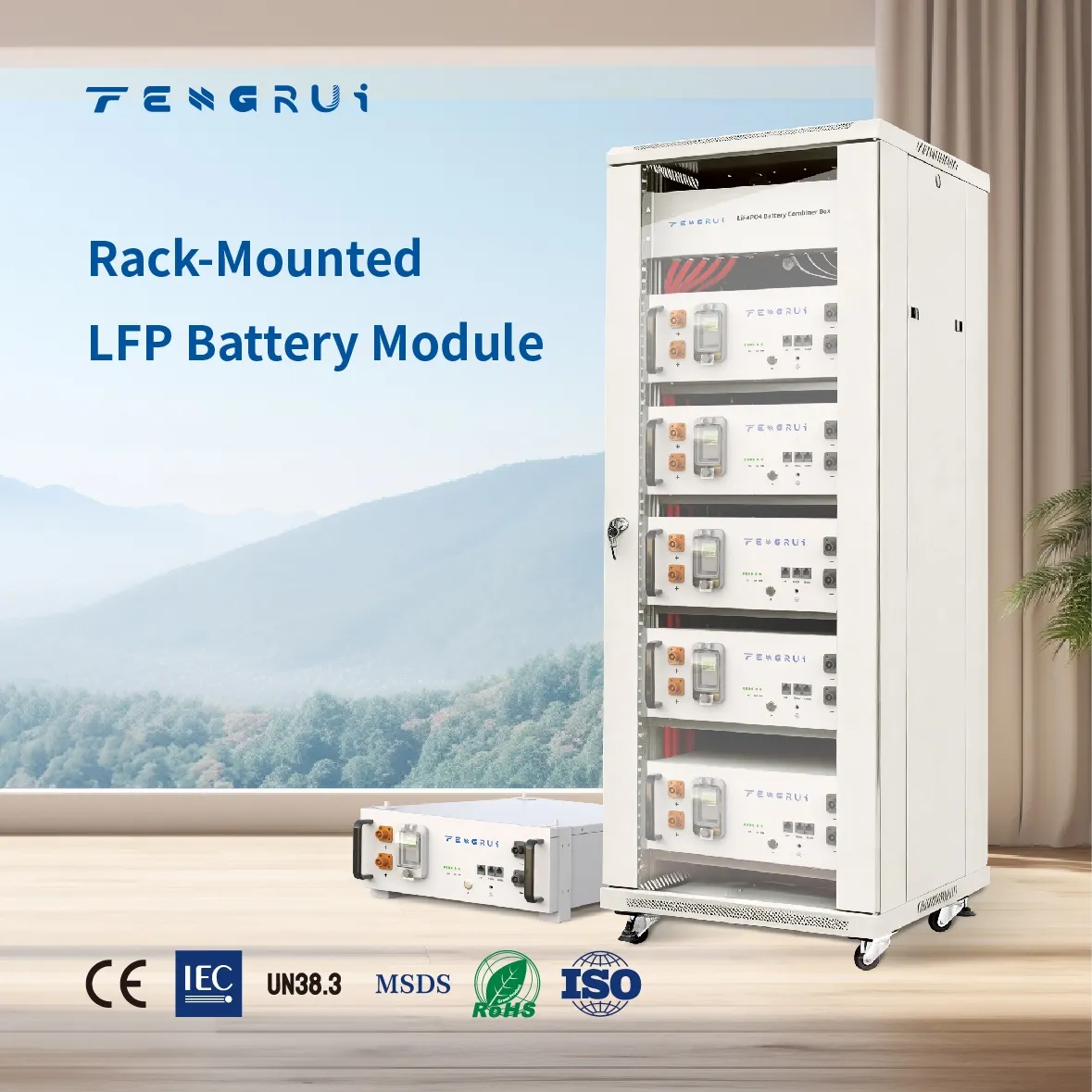
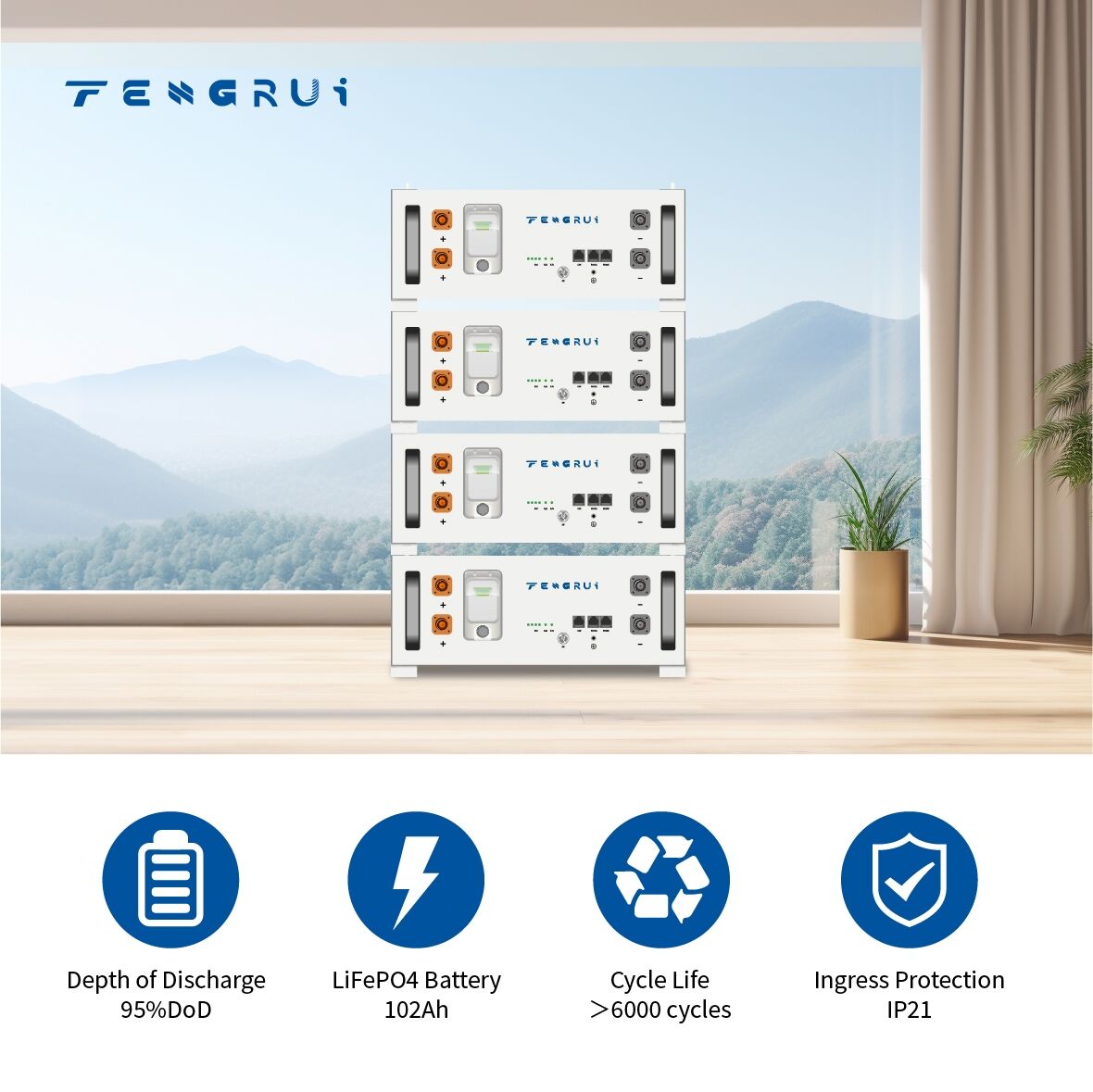
Lithium Iron Phosphate (LiFePO4) technology represents one of the most significant breakthroughs in modern solar battery technology. These batteries offer exceptional thermal stability, extended cycle life, and enhanced safety characteristics compared to traditional lithium-ion alternatives. Recent innovations have improved the energy density of LiFePO4 batteries by approximately 15-20% while maintaining their inherent safety advantages, making them ideal for residential and commercial solar applications.
The latest LiFePO4 innovations incorporate nano-coating technologies that enhance electron conductivity and reduce internal resistance. These improvements translate to faster charging capabilities and better performance in varying temperature conditions. Manufacturing advances have also reduced production costs significantly, making this solar battery technology more accessible to a broader range of consumers seeking reliable energy storage solutions.
Advanced cathode materials and optimized electrolyte formulations have extended the operational lifespan of LiFePO4 batteries to over 6,000 charge cycles while maintaining 80% capacity retention. This longevity factor makes them particularly attractive for long-term solar installations where replacement costs and maintenance considerations are critical decision factors.
Solid-State Battery Innovations
Solid-state battery technology represents the cutting edge of solar battery technology development, offering unprecedented energy density and safety improvements. These batteries replace traditional liquid electrolytes with solid ceramic or polymer materials, eliminating many safety concerns associated with thermal runaway and electrolyte leakage. Early commercial applications are beginning to emerge in high-performance solar storage systems.
Recent breakthroughs in solid-state manufacturing have addressed previous scalability challenges, with several manufacturers developing pilot production lines for solar applications. The energy density improvements of up to 50% compared to conventional lithium-ion technology mean that solar battery systems can store significantly more energy in smaller footprints, making them ideal for space-constrained installations.
Temperature tolerance improvements in solid-state solar battery technology allow these systems to operate efficiently in extreme weather conditions without performance degradation. This advancement is particularly valuable for solar installations in regions with harsh climates where traditional battery technologies may struggle to maintain optimal performance.
Smart Integration and Management Systems
Artificial Intelligence Battery Management
Artificial Intelligence integration has revolutionized solar battery technology management, enabling predictive analytics that optimize charging and discharging cycles based on weather patterns, energy consumption habits, and grid conditions. These AI-powered systems learn from historical data to maximize battery lifespan and energy efficiency while minimizing degradation through intelligent load management.
Machine learning algorithms now analyze real-time data from solar panels, weather forecasts, and household energy usage patterns to make autonomous decisions about energy storage and distribution. This solar battery technology advancement ensures optimal system performance while reducing the need for manual intervention or complex programming.
Advanced diagnostic capabilities powered by AI can predict potential system failures or maintenance needs before they occur, allowing for proactive maintenance schedules that prevent costly downtime. These predictive maintenance features extend the operational lifespan of solar battery systems and maintain peak performance throughout their service life.
Grid-Interactive Energy Storage
Modern solar battery technology now incorporates sophisticated grid-interactive capabilities that enable seamless integration with smart grid infrastructure. These systems can automatically participate in demand response programs, selling excess energy back to the grid during peak demand periods and drawing power during off-peak times to optimize economic returns.
Bidirectional power flow capabilities in advanced solar battery technology allow these systems to function as virtual power plants when connected to grid management systems. This innovation enables homeowners and businesses to monetize their energy storage capacity while contributing to grid stability and renewable energy integration on a broader scale.
Real-time communication protocols ensure that solar battery systems can respond instantly to grid signals, automatically adjusting their operation to support grid stability during peak demand periods or renewable energy fluctuations. This responsive capability makes solar battery technology an integral component of modern smart grid infrastructure.
Enhanced Safety and Reliability Features
Advanced Thermal Management Systems
Innovative thermal management solutions have significantly improved the safety profile of modern solar battery technology. Advanced cooling systems incorporating phase-change materials and liquid cooling loops maintain optimal operating temperatures even during high-demand periods, preventing thermal runaway and extending battery lifespan considerably.
Sophisticated temperature monitoring systems with redundant sensors provide real-time thermal data to battery management systems, enabling automatic power reduction or shutdown if temperatures exceed safe operating ranges. These safety features ensure that solar battery technology operates reliably even in challenging environmental conditions or during system malfunctions.
Heat dissipation improvements through advanced housing materials and ventilation designs have reduced operating temperatures by 20-30% compared to previous generation systems. Lower operating temperatures directly translate to improved battery chemistry stability and extended operational lifespan for solar battery technology installations.
Enhanced Fire Safety and Protection
Recent innovations in solar battery technology include integrated fire suppression systems and flame-retardant housing materials that significantly reduce fire risks associated with energy storage installations. Advanced detection systems can identify potential thermal events before they develop into serious safety hazards, automatically triggering protective measures.
Compartmentalized cell designs isolate individual battery cells to prevent cascading failures, ensuring that a single cell malfunction cannot compromise the entire solar battery system. These isolation technologies have dramatically improved the overall safety profile of large-scale solar battery installations in residential and commercial applications.
Emergency disconnect systems with remote monitoring capabilities allow for immediate system shutdown from mobile devices or central monitoring stations, providing additional safety layers for solar battery technology deployments. These features ensure rapid response capabilities in emergency situations while maintaining system accessibility for maintenance personnel.
Cost Optimization and Manufacturing Innovations
Automated Production Technologies
Manufacturing automation has revolutionized solar battery technology production, reducing costs while improving quality consistency and production throughput. Advanced robotics and quality control systems ensure precise assembly processes that minimize defects and optimize battery performance characteristics across entire production runs.
Innovative electrode manufacturing processes utilizing dry coating techniques have reduced production costs by eliminating solvent-based processes while improving battery performance. These manufacturing advances make solar battery technology more economically viable for widespread adoption across diverse market segments and application scenarios.
Modular manufacturing approaches enable flexible production scaling that can adapt to changing market demands while maintaining cost efficiency. This manufacturing flexibility has contributed to the rapid cost reduction in solar battery technology over the past several years, making these systems accessible to broader consumer markets.
Material Science Breakthroughs
Advanced material innovations have reduced dependency on rare earth elements while improving performance characteristics of solar battery technology. Alternative cathode materials and recycled content integration have lowered material costs while maintaining or improving energy density and cycle life performance metrics.
Nanotechnology applications in electrode design have increased surface area and improved ion transport efficiency, resulting in faster charging capabilities and higher power output from solar battery technology systems. These material science advances enable more compact system designs without sacrificing performance or reliability.
Sustainable material sourcing initiatives and closed-loop recycling processes are reducing the environmental impact of solar battery technology production while creating cost savings through material recovery programs. These sustainability improvements align with the broader environmental goals of renewable energy adoption.
Future Trends and Emerging Technologies
Next-Generation Energy Density Improvements
Emerging solar battery technology developments promise significant energy density improvements through innovative cell architectures and advanced material compositions. Silicon nanowire anodes and high-voltage cathode materials are approaching commercial viability, potentially doubling energy storage capacity in similar physical footprints.
Lithium-metal battery technology represents a promising frontier for solar battery applications, offering theoretical energy densities that could revolutionize residential and commercial energy storage economics. Research progress in dendrite suppression and electrolyte stability is bringing these high-energy systems closer to commercial deployment.
Three-dimensional battery architectures utilizing vertical electrode stacking are demonstrating impressive energy density improvements while maintaining thermal stability and safety characteristics essential for solar battery technology applications. These structural innovations could enable compact energy storage systems suitable for urban solar installations with limited space availability.
Integration with Emerging Energy Technologies
Hybrid energy storage systems combining solar battery technology with alternative storage methods such as compressed air or flywheel systems are emerging as solutions for specific application scenarios requiring different discharge characteristics. These hybrid approaches optimize overall system efficiency while providing diverse energy delivery capabilities.
Vehicle-to-grid integration capabilities are becoming standard features in advanced solar battery technology, allowing electric vehicles to serve as mobile energy storage units that can supplement stationary solar battery systems during peak demand periods or grid outages.
Hydrogen production integration enables solar battery technology systems to convert excess renewable energy into hydrogen fuel during periods of surplus generation, providing long-term energy storage solutions that complement traditional battery storage capabilities for extended autonomy applications.
FAQ
How long do the latest solar battery technologies typically last?
Modern solar battery technology systems, particularly those using LiFePO4 chemistry, typically provide 15-20 years of reliable service with proper maintenance. Advanced battery management systems and improved chemistry formulations have extended cycle life to over 6,000 charge-discharge cycles while maintaining 80% capacity retention, significantly longer than previous generation technologies.
What makes current solar battery technology more efficient than older systems?
Recent innovations in solar battery technology include improved battery chemistry, advanced thermal management, AI-powered optimization, and better integration capabilities. These improvements result in higher energy density, faster charging, better temperature tolerance, and intelligent energy management that maximizes system efficiency and lifespan compared to older battery technologies.
Are the latest solar battery technologies safe for residential installation?
Yes, current solar battery technology incorporates multiple safety features including advanced thermal management, fire suppression systems, compartmentalized cell designs, and emergency disconnect capabilities. These safety improvements, combined with stable battery chemistry options like LiFePO4, make modern systems much safer than earlier generation technologies for residential applications.
How do smart features in modern solar battery technology benefit users?
Smart features in advanced solar battery technology include AI-powered optimization, predictive maintenance, grid-interactive capabilities, and remote monitoring. These features automatically optimize energy usage patterns, predict maintenance needs, participate in demand response programs, and provide real-time system information, maximizing both performance and economic benefits for users.