 EN
EN

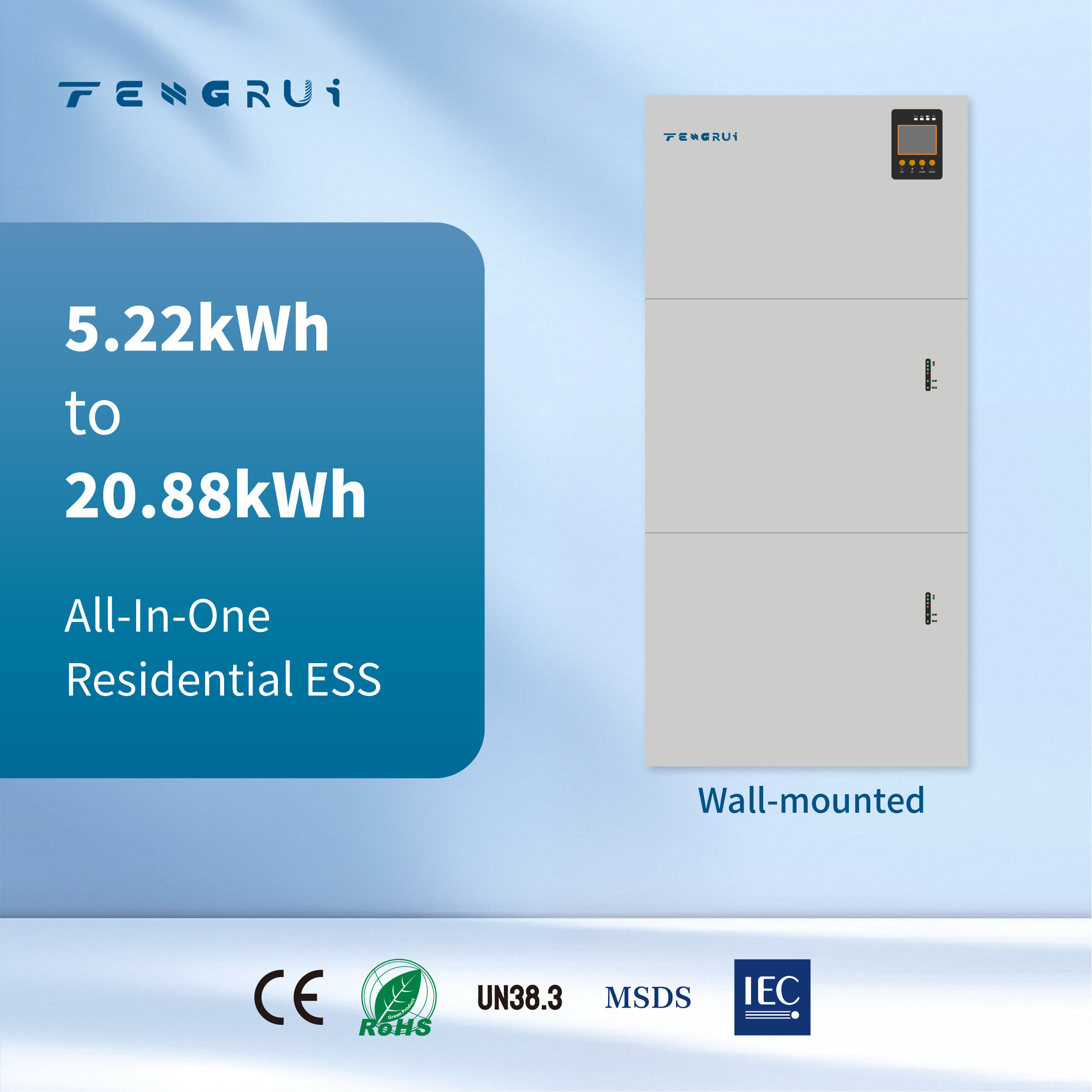
The demand for sustainable energy solutions has reached unprecedented levels as homeowners and businesses seek efficient alternatives to traditional power sources. A Wall-Mounted Solar Energy System represents one of the most innovative approaches to harnessing solar power while maximizing space utilization and aesthetic appeal. These systems offer compelling advantages over conventional ground-mounted or rooftop installations, making them an increasingly popular choice for modern energy-conscious consumers seeking reliable, clean electricity generation.
The versatility and efficiency of modern Wall-Mounted Solar Energy System configurations have revolutionized how we approach renewable energy installation in urban and suburban environments. These systems combine cutting-edge photovoltaic technology with space-saving design principles, delivering exceptional performance while maintaining architectural harmony with existing structures.
Space Optimization and Installation Flexibility
Maximizing Limited Real Estate
Property owners with limited rooftop space or ground area find that a Wall-Mounted Solar Energy System provides an ideal solution for renewable energy adoption. Vertical installations utilize previously unused wall surfaces, transforming them into productive energy-generating assets. This approach proves particularly valuable in urban environments where every square foot of available space commands premium value and traditional solar installations may face significant constraints.
The compact design of Wall-Mounted Solar Energy System units allows for strategic placement on various building facades, regardless of roof condition or orientation. Property owners no longer need to worry about structural modifications to aging rooftops or compete for limited ground space. These systems adapt to existing architectural features while providing consistent energy output throughout the day.
Versatile Mounting Options
Modern Wall-Mounted Solar Energy System installations offer remarkable flexibility in positioning and configuration. Professional installers can mount panels on south-facing walls for maximum sun exposure, or utilize multiple wall surfaces to capture sunlight at different times throughout the day. This adaptability ensures optimal energy production regardless of building orientation or surrounding obstacles that might limit traditional installations.
The modular nature of these systems enables property owners to start with smaller installations and expand capacity over time as energy needs grow or budgets allow. Each Wall-Mounted Solar Energy System component integrates seamlessly with existing modules, creating scalable solutions that evolve with changing requirements while maintaining system efficiency and aesthetic appeal.
Enhanced Performance and Efficiency
Superior Heat Dissipation
Wall-mounted installations benefit from enhanced air circulation compared to traditional rooftop systems, leading to improved thermal management and sustained performance. A Wall-Mounted Solar Energy System experiences better cooling due to natural airflow patterns around vertical surfaces, preventing the heat buildup that can reduce photovoltaic efficiency in conventional installations. This thermal advantage translates directly into higher energy output and longer system lifespan.
The vertical orientation of Wall-Mounted Solar Energy System panels promotes natural convection cooling, as heated air rises and is replaced by cooler air from below. This continuous air circulation helps maintain optimal operating temperatures throughout the day, ensuring consistent power generation even during peak summer conditions when traditional systems might experience thermal derating.
Reduced Shading Issues
Vertical installations often encounter fewer shading problems compared to rooftop systems that may be affected by nearby trees, buildings, or architectural features. A properly positioned Wall-Mounted Solar Energy System can capture direct sunlight for extended periods without interference from typical shading obstacles that plague horizontal installations. This advantage becomes particularly pronounced in urban environments where building shadows create complex shading patterns throughout the day.
The ability to position Wall-Mounted Solar Energy System panels at various heights and angles allows installers to optimize sun exposure while minimizing shadow interference. Strategic placement can take advantage of seasonal sun patterns, ensuring maximum energy capture during peak consumption periods while maintaining reliable output year-round.
Maintenance and Accessibility Benefits
Simplified Cleaning and Inspection
Ground-level accessibility represents one of the most practical advantages of a Wall-Mounted Solar Energy System installation. Property owners can easily inspect, clean, and maintain their solar panels without requiring specialized equipment or professional services for routine upkeep. This accessibility translates into reduced long-term operational costs and improved system reliability through consistent maintenance practices.
Regular cleaning becomes a straightforward task with Wall-Mounted Solar Energy System installations, as panels remain within easy reach for hosing down or gentle scrubbing. This convenience encourages more frequent maintenance, which directly correlates with sustained energy production and extended equipment lifespan compared to difficult-to-access rooftop installations.
Weather Protection Advantages
Vertical mounting provides natural protection against certain weather conditions that can damage or reduce the efficiency of horizontal solar installations. Snow slides off Wall-Mounted Solar Energy System panels more readily due to gravity, preventing the accumulation that can block sunlight and stress mounting hardware. Similarly, debris like leaves and branches are less likely to collect on vertical surfaces, reducing maintenance requirements.
The protected position of many Wall-Mounted Solar Energy System installations, particularly those mounted on building walls with overhanging eaves, provides additional shelter from extreme weather conditions. This protection can extend equipment lifespan and maintain consistent performance throughout various seasonal conditions that might challenge traditional installations.
Aesthetic and Architectural Integration
Modern Design Appeal
Contemporary Wall-Mounted Solar Energy System designs complement modern architectural styles while making bold statements about environmental responsibility. These sleek installations transform ordinary wall surfaces into striking visual elements that enhance property aesthetics while generating clean energy. The integration of renewable technology with building design creates compelling visual narratives that resonate with environmentally conscious consumers.
Property owners increasingly view their Wall-Mounted Solar Energy System as architectural features that communicate values and priorities to visitors and neighbors. The visual impact of well-designed installations can actually increase property curb appeal while delivering measurable energy savings, creating dual benefits that traditional hidden rooftop systems cannot provide.
Customization and Integration Options
Advanced Wall-Mounted Solar Energy System designs offer extensive customization options that allow integration with existing architectural elements. Panels can be configured to match building materials, colors, and design themes, creating cohesive installations that appear as intentional design elements rather than afterthought additions. This design flexibility enables property owners to maintain architectural integrity while embracing renewable energy technology.
Professional designers can incorporate Wall-Mounted Solar Energy System installations into comprehensive facade renovations, using solar technology to enhance both energy efficiency and visual appeal simultaneously. These integrated approaches maximize the value proposition of renewable energy investments while supporting broader sustainability goals and architectural vision.
Cost-Effectiveness and Return on Investment
Reduced Installation Complexity
Wall mounting typically requires less complex installation procedures compared to rooftop systems, potentially reducing labor costs and installation time. A Wall-Mounted Solar Energy System avoids many of the structural considerations and safety requirements associated with roof work, allowing for more straightforward installation processes. Ground-level access simplifies equipment positioning, wiring, and connection procedures while reducing safety risks for installation crews.
The simplified installation process for Wall-Mounted Solar Energy System configurations often translates into lower total project costs, making renewable energy more accessible to property owners with limited budgets. Reduced complexity also minimizes the potential for installation errors that could compromise system performance or require costly corrections after completion.
Long-Term Value Creation
Property owners who invest in Wall-Mounted Solar Energy System installations often realize significant long-term value through reduced utility costs, increased property values, and potential tax incentives. The combination of energy savings and property enhancement creates compelling financial returns that justify initial investments while supporting environmental goals. These systems typically pay for themselves within reasonable timeframes while continuing to generate value for decades.
The durability and low maintenance requirements of modern Wall-Mounted Solar Energy System installations contribute to excellent long-term return calculations. Quality systems can operate effectively for twenty-five years or more with minimal intervention, providing consistent energy generation and cost savings throughout their operational lifespan while requiring minimal ongoing investment.
FAQ
How much energy can a Wall-Mounted Solar Energy System generate compared to rooftop installations
Energy output from wall-mounted systems depends on several factors including panel orientation, shading conditions, and local climate. While vertical installations may receive slightly less direct sunlight than optimally angled rooftop systems, the performance difference is often minimal, especially considering improved cooling and reduced shading issues. Many Wall-Mounted Solar Energy System installations achieve 85-95% of the output that comparable rooftop systems would produce in the same location.
What types of walls are suitable for solar panel mounting
Most structural walls constructed with concrete, brick, steel framing, or engineered materials can support Wall-Mounted Solar Energy System installations. Professional installers evaluate wall strength, orientation, and condition before recommending specific mounting solutions. South-facing walls typically provide optimal performance, but east and west-facing installations can also deliver excellent results depending on local conditions and energy consumption patterns.
Do wall-mounted solar panels require special permits or approvals
Permitting requirements for Wall-Mounted Solar Energy System installations vary by location and local building codes. Most jurisdictions treat these systems similarly to rooftop installations, requiring electrical permits and potentially building permits depending on system size and mounting methods. Professional installers typically handle permit applications and ensure compliance with all local regulations, building codes, and utility interconnection requirements.
How do maintenance requirements compare between wall and roof mounted systems
Wall-Mounted Solar Energy System installations generally require less maintenance effort due to ground-level accessibility for cleaning and inspection. Property owners can easily maintain their systems without safety equipment or professional services, leading to more consistent upkeep and better long-term performance. The vertical orientation also helps prevent debris accumulation and snow buildup that commonly affects horizontal installations, reducing overall maintenance frequency and costs.