 EN
EN

In today's connected world, maintaining access to electricity has become more critical than ever before. Whether you're planning an extended camping trip, preparing for emergency situations, or working remotely from outdoor locations, having reliable portable power solutions can make the difference between staying connected and being completely cut off. Understanding how to select the right portable power station requires careful consideration of multiple factors that will directly impact your experience and satisfaction with the device.
Modern portable power stations have evolved significantly from their early predecessors, offering enhanced capacity, improved safety features, and greater versatility. These compact energy storage systems serve as reliable alternatives to traditional gas generators, providing clean, quiet, and efficient power delivery for various applications. The selection process involves evaluating your specific power requirements, understanding different battery technologies, and considering factors such as portability, charging options, and overall value proposition.
Understanding Power Station Capacity and Requirements
Calculating Your Energy Needs
Before investing in any portable power solution, conducting a thorough analysis of your energy consumption patterns is essential. Start by listing all devices you plan to power and their respective wattage requirements. Common electronics like smartphones typically consume 5-10 watts during charging, laptops require 45-100 watts, while larger appliances such as mini-fridges can draw 40-100 watts continuously. This assessment helps determine the minimum capacity your portable power station must provide.
Understanding the difference between continuous power output and surge capacity is crucial for proper device compatibility. Many appliances require higher initial power to start up before settling into their normal operating consumption. For instance, a small refrigerator might need 300 watts for startup but only consume 50 watts during regular operation. Your chosen portable power system must handle these surge requirements to function effectively with your intended devices.
Battery Capacity Considerations
Battery capacity, measured in watt-hours (Wh), directly determines how long your portable power station can operate your devices before requiring recharging. A general rule involves multiplying your total device consumption by the desired runtime hours to establish minimum capacity requirements. For example, if you need to power devices consuming 100 watts for 10 hours, you would require at least 1000Wh of capacity, though adding a safety margin of 20-30% is recommended.
Different usage scenarios demand varying capacity levels, from lightweight units offering 200-500Wh for basic electronics charging to high-capacity systems providing 1000-3000Wh for extended off-grid living or emergency backup applications. Consider your typical usage patterns and choose a system that provides adequate runtime without excessive weight or cost penalties for your specific requirements.
Battery Technology and Performance Characteristics
Lithium Battery Advantages
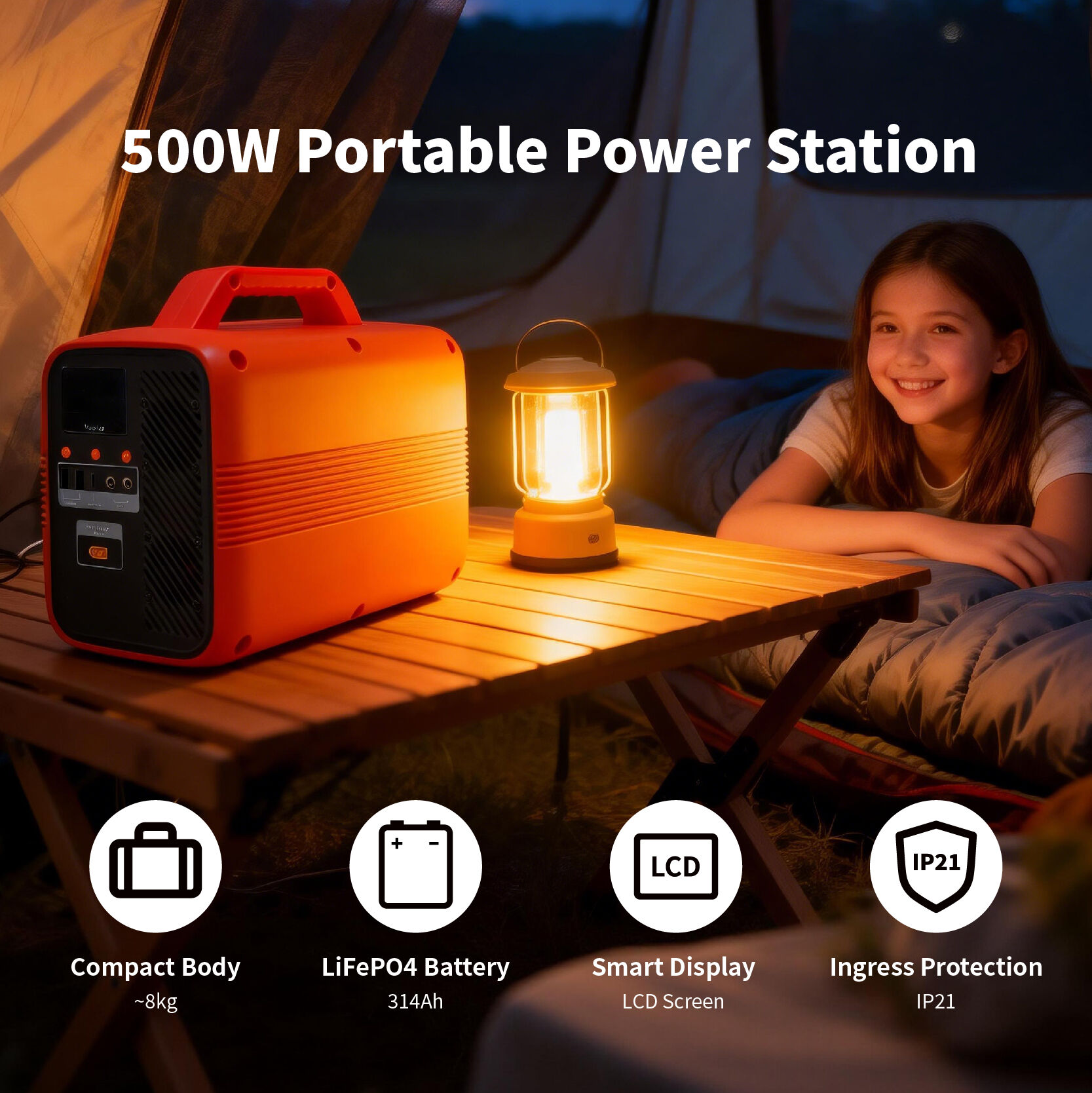
Modern portable power stations predominantly utilize lithium-ion battery technology due to its superior energy density, longer lifespan, and consistent performance characteristics. Lithium batteries offer significantly higher cycle life compared to traditional lead-acid alternatives, typically providing 500-2000+ charge cycles before capacity degradation becomes noticeable. This longevity translates to better long-term value despite higher initial investment costs.
The lightweight nature of lithium technology enables manufacturers to create truly portable solutions without compromising on capacity or performance. A lithium-based portable power station typically weighs 50-70% less than equivalent lead-acid systems while maintaining faster charging speeds and more stable voltage output throughout the discharge cycle.
Battery Management Systems
Advanced battery management systems (BMS) represent critical safety and performance components in quality portable power stations. These sophisticated circuits monitor individual cell voltages, temperatures, and current flow to prevent dangerous conditions such as overcharging, over-discharging, or thermal runaway. A robust BMS extends battery life while ensuring safe operation under various environmental conditions and usage scenarios.
Look for portable power solutions featuring comprehensive protection mechanisms including short-circuit protection, temperature monitoring, and automatic shutdown capabilities. These safety features become particularly important during extended outdoor use where environmental factors might stress the system beyond normal operating parameters.
Output Options and Device Compatibility
AC Outlet Specifications
AC outlet configuration plays a vital role in determining device compatibility and overall system versatility. Most portable power stations provide standard household outlets (120V in North America, 230V in Europe) capable of powering conventional appliances and electronics. Pay attention to outlet quantity, as having multiple AC outlets enables simultaneous operation of several devices without requiring additional adapters or power strips.
Pure sine wave inverters produce cleaner power output compared to modified sine wave alternatives, ensuring compatibility with sensitive electronics such as laptops, medical devices, and modern appliances with digital controls. While modified sine wave systems cost less, they may cause operational issues or reduced efficiency with certain devices, making pure sine wave capability worth the additional investment for most users.
DC and USB Output Variety
Modern portable power requirements extend beyond traditional AC outlets to include various DC and USB charging options. Look for systems offering multiple USB-A ports, USB-C Power Delivery capability, and 12V DC outlets for automotive accessories. USB-C Power Delivery support enables fast charging of compatible laptops and tablets while reducing the need for bulky AC adapters during portable operations.
The availability of multiple output types simultaneously allows efficient power distribution across different device categories. Quality portable power systems can operate AC, DC, and USB outlets concurrently, enabling users to charge phones via USB while running laptops through AC outlets and powering 12V devices through dedicated DC connections.
Charging Methods and Flexibility
AC Wall Charging Performance
Primary charging through standard wall outlets represents the most common method for replenishing portable power station batteries. Charging speed varies significantly between models, with faster systems completing full charges in 2-6 hours while slower units may require 8-12 hours. Consider your typical usage patterns and available charging windows when evaluating charging speed requirements for your portable power solution.
Advanced charging algorithms optimize battery health and longevity while minimizing charging time through intelligent current management. Some systems feature pass-through charging capability, allowing simultaneous charging and discharging operations, which proves valuable during extended stationary use where continuous operation is required.
Solar Charging Integration
Solar charging capability transforms portable power stations into truly off-grid energy solutions, enabling indefinite operation in sunny conditions. Most modern systems accept solar panel inputs through dedicated MC4 connectors or standard DC barrel jacks, though solar charging rates depend heavily on panel wattage, weather conditions, and charging controller efficiency.
When evaluating solar compatibility, consider both maximum solar input capacity and MPPT (Maximum Power Point Tracking) controller quality. Higher-end portable power systems feature sophisticated MPPT controllers that maximize energy harvest from connected solar panels across varying light conditions, significantly improving charging efficiency compared to basic PWM controllers.
Portability and Design Considerations
Weight and Size Optimization
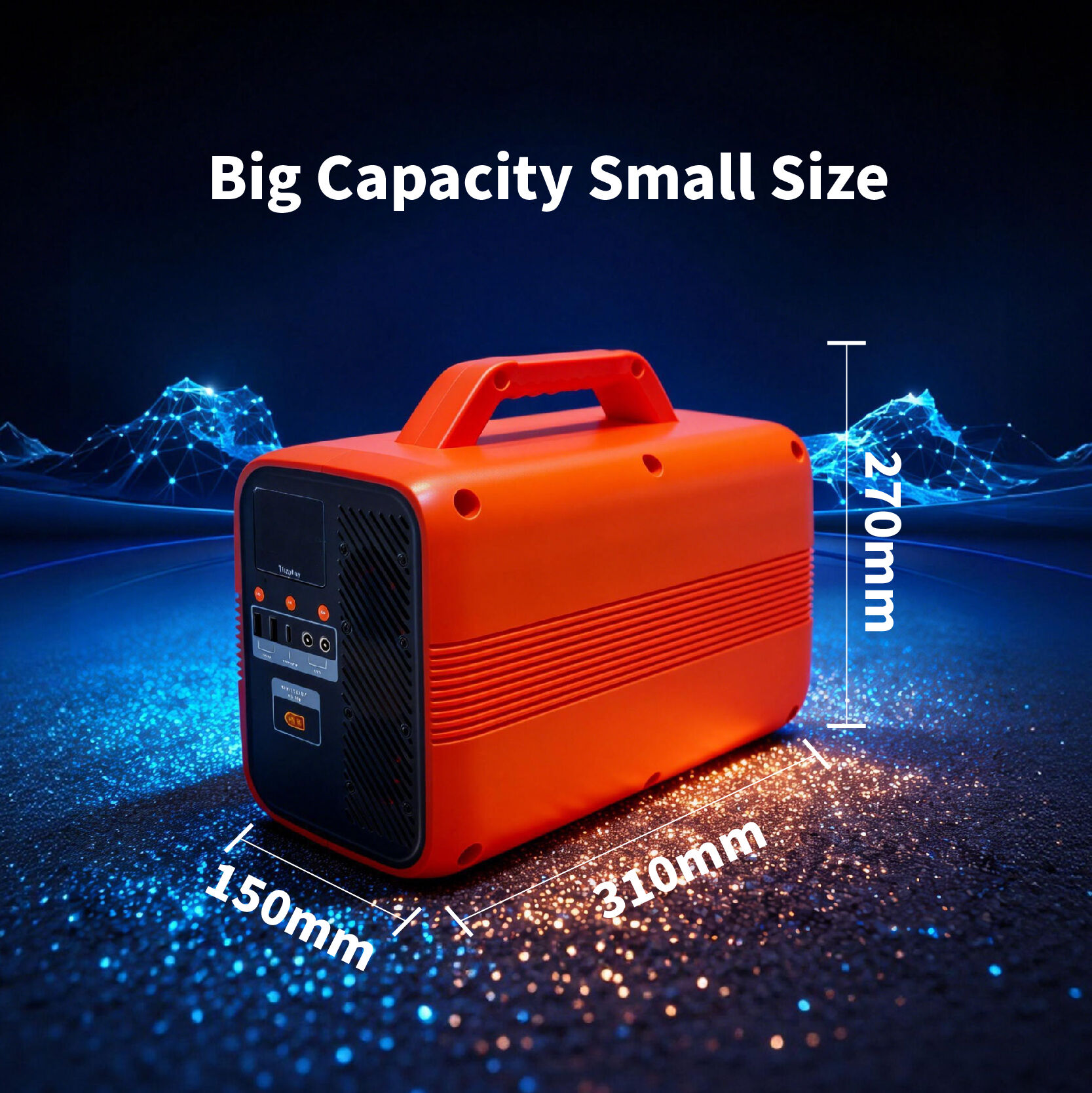
Balancing capacity with portability represents one of the primary challenges in selecting an appropriate portable power solution. While higher capacity systems provide extended runtime and greater device compatibility, they also increase weight and size, potentially limiting transportation options and ease of use in certain scenarios. Consider your typical transportation methods and physical capabilities when evaluating size and weight trade-offs.
Modern portable power designs increasingly emphasize ergonomic carrying handles, compact form factors, and rugged construction to withstand outdoor use. Some manufacturers offer wheeled designs for larger capacity units, while others focus on lightweight construction for maximum portability. Evaluate your specific use cases to determine which design approach best matches your requirements.
Durability and Weather Resistance
Outdoor applications demand robust construction capable of withstanding environmental challenges including temperature variations, humidity, dust, and potential impact damage. Look for portable power stations featuring IP ratings indicating dust and water resistance levels appropriate for your intended use environments. Higher IP ratings provide greater protection but may increase system size and cost.
Quality construction materials such as reinforced plastics, metal chassis components, and protective rubber bumpers enhance durability while maintaining reasonable weight levels. Consider systems with replaceable or serviceable components when possible, as this approach extends overall system lifespan and reduces long-term ownership costs.
Safety Features and Certifications
Electrical Safety Standards
Safety certifications from recognized testing organizations provide assurance regarding product quality and compliance with electrical safety standards. Look for certifications such as UL, CE, FCC, and other regional safety marks indicating thorough testing and compliance with applicable regulations. These certifications become particularly important for portable power systems intended for indoor use or proximity to people.
Advanced safety features including ground fault circuit interrupters (GFCI), arc fault protection, and thermal monitoring help prevent dangerous conditions that could result in fire, electrocution, or equipment damage. While these features may increase system complexity and cost, they provide essential protection for both users and connected devices.
Battery Safety Mechanisms
Lithium battery safety requires sophisticated monitoring and protection systems to prevent thermal runaway, overcharging, and other potentially dangerous conditions. Quality portable power systems incorporate multiple layers of protection including individual cell monitoring, temperature sensors, and automatic disconnect mechanisms that activate under abnormal conditions.
Look for systems featuring UL9540A certification specifically for energy storage systems, which indicates comprehensive testing for thermal runaway propagation and overall system safety. This certification provides additional confidence in system safety during extended use or emergency situations where reliable operation is critical.
Cost Analysis and Value Proposition
Initial Investment Considerations
Portable power station pricing varies dramatically based on capacity, features, and build quality, ranging from budget options under $200 to professional-grade systems exceeding $3000. While initial cost represents an important factor, evaluating total cost of ownership including expected lifespan, maintenance requirements, and replacement costs provides better long-term value assessment for portable power investments.
Consider cost per watt-hour as a standardized comparison metric when evaluating different portable power options. This calculation helps identify systems offering the best capacity value regardless of absolute pricing, though remember that features, build quality, and warranty coverage also influence overall value proposition beyond simple capacity metrics.
Long-term Ownership Value
Quality portable power systems provide years of reliable service with minimal maintenance requirements, making them excellent long-term investments for regular outdoor enthusiasts, emergency preparedness, or professional applications. Factor in warranty coverage, available service support, and replacement part availability when assessing long-term ownership prospects for different portable power solutions.
Calculate potential savings compared to alternative power solutions such as generator rental, disposable batteries, or extended campground fees with electrical hookups. Many users find that portable power stations pay for themselves within the first year of use through avoided costs and increased convenience during outdoor activities or emergency situations.
FAQ
How long do portable power stations typically last before needing replacement
Quality portable power stations using lithium battery technology typically provide 5-10 years of regular use before significant capacity degradation occurs. Most systems maintain 80% of original capacity after 500-1000 charge cycles, with premium models offering even longer lifespans. Proper maintenance, temperature management, and avoiding deep discharge cycles can extend system life significantly beyond these estimates.
Can portable power stations operate safely indoors during power outages
Yes, portable power stations are specifically designed for safe indoor operation unlike gas generators which produce dangerous carbon monoxide emissions. These battery-powered systems produce no emissions, operate silently, and generate minimal heat during normal operation. However, ensure adequate ventilation and follow manufacturer guidelines for indoor use, particularly regarding charging operations which may generate slight heat buildup.
What size portable power station do I need for camping applications
Camping power requirements typically range from 300-1000Wh depending on device usage and trip duration. Basic phone and light charging requires 300-500Wh capacity, while extended trips with laptop use, small appliances, or CPAP machines may need 800-1500Wh systems. Calculate your daily consumption and multiply by trip days to determine minimum capacity requirements, then add 20-30% safety margin for optimal performance.
Are portable power stations worth the investment compared to traditional generators
Portable power stations offer significant advantages over gas generators including silent operation, zero emissions, lower maintenance requirements, and safe indoor use capability. While initial costs may be higher, eliminated fuel costs, minimal maintenance needs, and enhanced convenience often result in lower total ownership costs. For applications requiring extended high-power operation, gas generators may still offer better value, but for most recreational and emergency uses, portable power provides superior overall benefits.
Table of Contents
- Understanding Power Station Capacity and Requirements
- Battery Technology and Performance Characteristics
- Output Options and Device Compatibility
- Charging Methods and Flexibility
- Portability and Design Considerations
- Safety Features and Certifications
- Cost Analysis and Value Proposition
-
FAQ
- How long do portable power stations typically last before needing replacement
- Can portable power stations operate safely indoors during power outages
- What size portable power station do I need for camping applications
- Are portable power stations worth the investment compared to traditional generators