 EN
EN

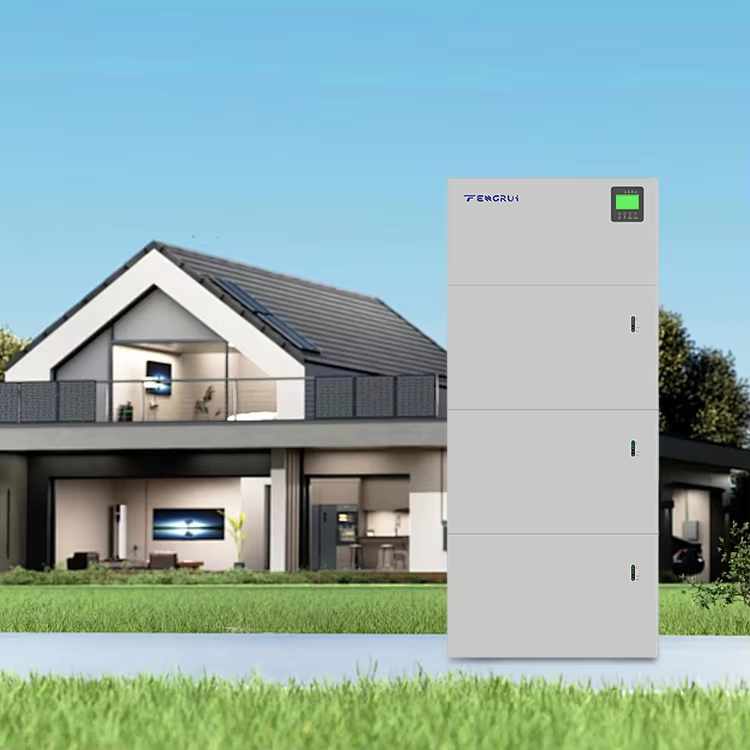
When evaluating energy storage solutions for industrial applications, golf carts, or residential systems, understanding battery lifespan becomes crucial for making informed investment decisions. LiFePO4 batteries have emerged as a leading technology in the rechargeable battery market, offering exceptional longevity that significantly outperforms traditional battery chemistries. These lithium iron phosphate batteries represent a technological breakthrough that combines safety, efficiency, and remarkable durability in a single package.
The longevity question surrounding different battery technologies affects everything from operational costs to environmental impact. While traditional lead-acid batteries have dominated certain markets for decades, the emergence of advanced lithium technologies has shifted the landscape dramatically. Understanding these differences helps businesses and individuals make strategic decisions about their energy storage investments.
Lifespan Fundamentals of LiFePO4 Battery Technology
Cycle Life Performance Metrics
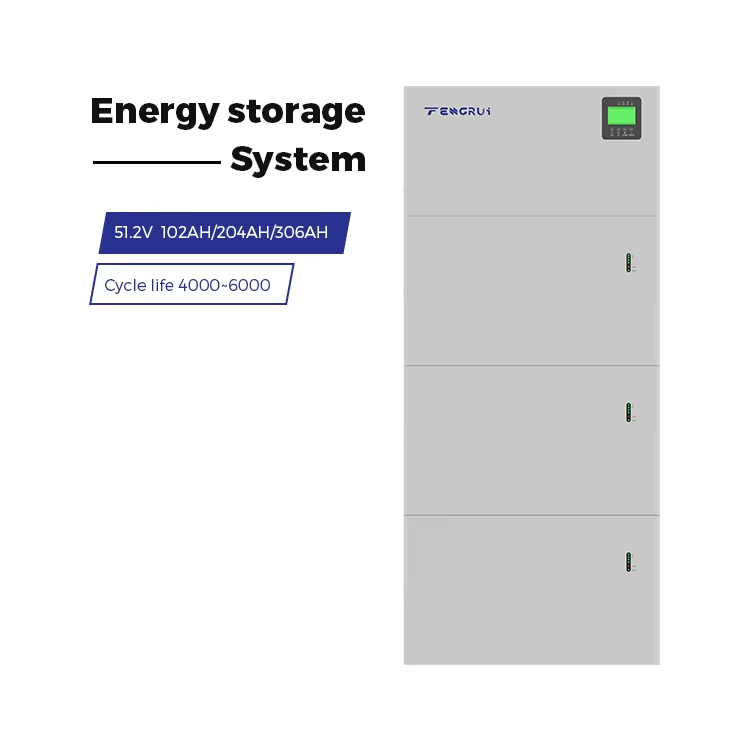
LiFePO4 batteries typically deliver between 3,000 to 6,000 charge-discharge cycles while maintaining 80% of their original capacity. This exceptional cycle life stems from the stable crystal structure of lithium iron phosphate, which resists degradation during repeated charging and discharging processes. The robust chemistry minimizes structural changes that typically plague other battery technologies, resulting in consistent performance over extended periods.
In practical terms, this cycle life translates to 8-12 years of reliable service under normal operating conditions. For applications requiring daily cycling, such as solar energy storage or electric vehicle operations, this longevity provides substantial economic advantages. The stable voltage platform throughout the discharge cycle ensures consistent power delivery, maintaining equipment performance even as the battery ages.
Calendar Life Expectations
Beyond cycle life, calendar life represents another critical metric for LiFePO4 batteries, indicating how long they maintain capacity regardless of usage patterns. These batteries typically retain functionality for 15-20 years when stored properly, significantly exceeding the calendar life of conventional alternatives. This extended shelf life makes them ideal for backup power applications where batteries may sit unused for extended periods.
Temperature stability contributes significantly to calendar life performance. LiFePO4 chemistry demonstrates excellent thermal stability, operating efficiently across temperature ranges from -20°C to 60°C without significant capacity loss. This thermal resilience prevents the rapid degradation that affects other battery chemistries in extreme conditions, ensuring reliable performance across diverse environmental conditions.
Comparative Analysis with Lead-Acid Battery Technology
Traditional Flooded Lead-Acid Performance
Conventional flooded lead-acid batteries typically provide 300-500 charge cycles before reaching 80% capacity retention, representing a fraction of LiFePO4 performance. The sulfation process inherent in lead-acid chemistry causes gradual capacity loss with each cycle, limiting their effective lifespan to 2-4 years in demanding applications. Deep discharge cycles particularly harm lead-acid batteries, often reducing their lifespan by 50% or more.
Maintenance requirements further impact lead-acid longevity, as irregular watering, improper charging, and sulfation buildup accelerate capacity degradation. These batteries also suffer from memory effects and require complete discharge cycles to maintain optimal performance. Environmental factors such as temperature fluctuations and vibration significantly reduce their operational lifespan in mobile applications like golf carts or marine vessels.
Sealed AGM and Gel Battery Limitations
Absorbed Glass Mat and gel lead-acid batteries offer improvements over flooded designs but still fall short of LiFePO4 performance. AGM batteries typically achieve 500-800 cycles, while gel batteries may reach 1,000 cycles under optimal conditions. However, both technologies remain sensitive to overcharging, deep discharge, and temperature extremes that can dramatically reduce their effective lifespan.
The sealed nature of these batteries eliminates maintenance requirements but introduces thermal management challenges. Heat buildup during charging and discharging accelerates electrolyte breakdown, leading to premature failure. Their heavier weight and lower energy density also impact installation flexibility and transportation costs compared to modern lithium alternatives.
Lithium-Ion Technology Comparison
Standard Lithium-Ion Chemistry Differences
Traditional lithium-ion batteries using cobalt or nickel-based cathodes typically achieve 1,000-2,000 cycles before significant capacity degradation occurs. While superior to lead-acid technology, these batteries face thermal runaway risks and capacity fade issues that limit their practical lifespan. The volatile nature of these chemistries requires sophisticated battery management systems to prevent dangerous failures.
LiFePO4 batteries eliminate many safety concerns associated with standard lithium-ion technology while delivering superior cycle life. The iron phosphate cathode material provides inherent thermal and chemical stability, reducing fire risks and eliminating toxic gas emissions during operation. This safety advantage becomes particularly important in enclosed applications or residential installations where battery failure could pose serious risks.
Nickel-Based Lithium Technologies
Lithium nickel manganese cobalt and lithium nickel cobalt aluminum batteries offer high energy density but sacrifice longevity for performance. These technologies typically deliver 1,500-3,000 cycles, falling short of LiFePO4 expectations while requiring more complex thermal management systems. Their sensitivity to high temperatures and deep discharge conditions limits their suitability for stationary energy storage applications.
Cost considerations also favor LiFePO4 technology over nickel-based alternatives. While initial purchase prices may appear similar, the extended lifespan of iron phosphate chemistry reduces the total cost of ownership significantly. The absence of cobalt in LiFePO4 batteries also provides supply chain stability and ethical sourcing advantages in industrial procurement decisions.
Factors Influencing LiFePO4 Battery Longevity
Operating Temperature Impact
Temperature management plays a crucial role in maximizing LiFePO4 battery lifespan, with optimal performance occurring between 20°C and 25°C. While these batteries tolerate temperature extremes better than alternatives, prolonged exposure to high temperatures above 45°C can accelerate aging processes and reduce cycle life. Conversely, extremely low temperatures below -10°C may temporarily reduce capacity but rarely cause permanent damage.
Proper thermal management systems can extend battery life significantly in demanding environments. Installing batteries in temperature-controlled enclosures or implementing active cooling systems helps maintain optimal operating conditions. For outdoor installations, selecting batteries with robust thermal protection and considering seasonal temperature variations ensures maximum longevity and reliability.
Charging Protocol Optimization
Charging methodology significantly influences LiFePO4 battery lifespan, with proper charging protocols extending operational life considerably. Avoiding overcharging beyond 100% state of charge and preventing deep discharge below 20% capacity helps maximize cycle life. Modern battery management systems automatically implement these protective measures, but understanding charging best practices remains important for system designers.
Charging rate optimization also impacts longevity, with slower charging rates generally promoting longer battery life. While LiFePO4 batteries can accept rapid charging, maintaining moderate charge rates between 0.5C and 1C helps minimize stress on the battery chemistry. Balancing charging speed requirements with longevity objectives requires careful consideration of application-specific needs and usage patterns.
Economic Implications of Battery Lifespan
Total Cost of Ownership Analysis
The extended lifespan of LiFePO4 batteries creates compelling economic advantages despite higher initial investment costs. When amortized over their operational lifetime, these batteries often provide 50-70% lower cost per kilowatt-hour compared to lead-acid alternatives. This economic benefit becomes more pronounced in high-cycle applications where battery replacement frequency significantly impacts operational budgets.
Maintenance cost savings further enhance the economic proposition of LiFePO4 technology. Unlike lead-acid batteries requiring regular maintenance, water additions, and equalization charging, lithium iron phosphate batteries operate maintenance-free throughout their lifespan. Labor costs associated with battery maintenance, disposal fees for failed batteries, and system downtime during replacements add substantial hidden costs to traditional battery technologies.
Replacement Frequency Considerations
The frequency of battery replacement dramatically affects long-term system economics and operational planning. Lead-acid batteries typically require replacement every 2-4 years in demanding applications, while LiFePO4 batteries may operate reliably for 10-15 years. This reduced replacement frequency minimizes system downtime, labor costs, and inventory management complexity for facility operators.
Planning considerations also benefit from extended LiFePO4 lifespan, allowing more predictable capital expenditure forecasting. The stable performance characteristics throughout their operational life eliminate the gradual capacity degradation that affects system planning with conventional batteries. This predictability enables more accurate energy storage system sizing and reduces the need for oversized installations to compensate for aging batteries.
Application-Specific Longevity Considerations
Solar Energy Storage Applications
Solar energy storage systems particularly benefit from LiFePO4 longevity due to daily cycling requirements and long-term investment horizons. These batteries maintain consistent round-trip efficiency throughout their lifespan, ensuring optimal energy harvest from solar installations. The ability to handle partial state-of-charge operation without degradation makes them ideal for variable renewable energy applications.
Grid-tied solar installations with battery backup require reliable long-term performance to justify system investments. LiFePO4 batteries provide the longevity necessary to match or exceed solar panel warranties, creating system-level compatibility that maximizes return on investment. Their stable voltage characteristics also ensure consistent inverter performance throughout the battery lifespan.
Electric Vehicle and Golf Cart Usage
Mobile applications like golf carts and electric vehicles demand batteries capable of withstanding vibration, temperature fluctuations, and frequent deep cycling. LiFePO4 batteries excel in these demanding environments, providing consistent power delivery and extended operational life. The lightweight construction also improves vehicle efficiency and reduces structural stress on chassis components.
Fleet operators particularly value the predictable lifespan of LiFePO4 technology for maintenance planning and budgeting purposes. The ability to accurately forecast battery replacement schedules helps optimize fleet operations and minimize unexpected downtime. Extended warranty coverage available on quality LiFePO4 products provides additional financial protection for large fleet investments.
FAQ
How many years do LiFePO4 batteries typically last in real-world applications
LiFePO4 batteries typically last 8-12 years in regular use applications and can maintain functionality for 15-20 years with proper care. The actual lifespan depends on factors such as charging practices, operating temperature, depth of discharge, and cycle frequency. Quality batteries from reputable manufacturers often include warranties covering 6,000+ cycles or 10+ years of operation.
What factors most significantly impact LiFePO4 battery longevity
Temperature management, charging protocols, and depth of discharge patterns most significantly impact LiFePO4 battery longevity. Maintaining moderate operating temperatures between 20-25°C, avoiding overcharging beyond 100% capacity, and preventing deep discharge below 20% state of charge help maximize lifespan. Quality battery management systems automatically implement these protective measures for optimal longevity.
How do LiFePO4 batteries compare to lead-acid in terms of replacement frequency
LiFePO4 batteries typically require replacement every 10-15 years compared to lead-acid batteries needing replacement every 2-4 years in demanding applications. This 3-5 times longer replacement interval significantly reduces long-term maintenance costs, system downtime, and operational complexity. The extended lifespan often justifies the higher initial investment through reduced total cost of ownership.
Can environmental conditions significantly reduce LiFePO4 battery lifespan
While LiFePO4 batteries demonstrate excellent environmental tolerance compared to other technologies, extreme conditions can impact lifespan. Prolonged exposure to temperatures above 45°C may reduce cycle life by 20-30%, while temperatures below -20°C can temporarily reduce capacity. Proper installation with thermal management systems helps maintain optimal conditions and maximize battery longevity in challenging environments.