 EN
EN

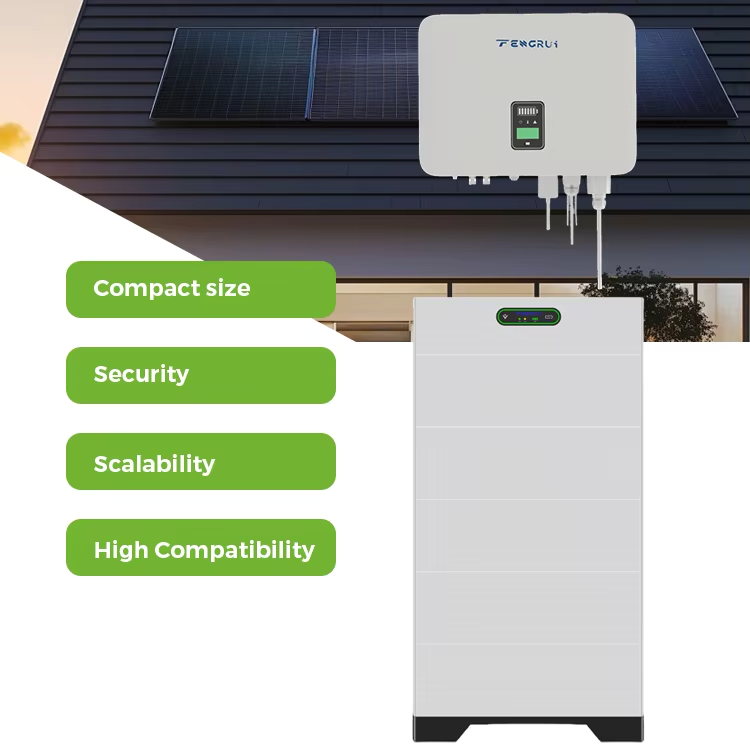
Solar energy systems have revolutionized how we harness renewable power, but the real game-changer lies in effective energy storage solutions. Among the various battery technologies available today, lithium iron phosphate batteries stand out as the premier choice for solar applications. An LFP battery offers unparalleled safety, longevity, and performance characteristics that make it ideal for residential and commercial solar installations. This comprehensive analysis explores why LFP battery technology has become the preferred solution for solar energy storage, examining its technical advantages, economic benefits, and practical applications in modern energy systems.
Understanding LFP Battery Technology in Solar Applications
Chemical Composition and Structure
The LFP battery utilizes lithium iron phosphate as its cathode material, creating a unique electrochemical structure that delivers exceptional stability and performance. This phosphate-based chemistry forms strong covalent bonds that resist thermal runaway and provide inherent safety advantages over other lithium-ion technologies. The crystalline structure of iron phosphate creates a robust framework that maintains structural integrity throughout thousands of charge-discharge cycles, making it particularly suited for the demanding requirements of solar energy storage systems.
Unlike conventional lithium cobalt oxide batteries, the LFP battery chemistry eliminates toxic heavy metals and reduces environmental impact while maintaining high energy density. The electrochemical stability of this technology ensures consistent voltage output and minimal capacity degradation over extended periods. This chemical robustness translates directly into superior performance characteristics that align perfectly with solar energy storage requirements, where batteries must endure daily cycling patterns for decades of reliable operation.
Operating Principles and Efficiency
An LFP battery operates through the reversible intercalation of lithium ions between the cathode and anode materials during charging and discharging cycles. This process occurs with minimal energy loss, typically achieving round-trip efficiencies exceeding 95 percent in solar applications. The high ionic conductivity of the electrolyte system enables rapid charge and discharge rates, allowing solar systems to capture and deliver energy efficiently during peak demand periods.
The flat discharge curve characteristic of LFP battery technology ensures stable voltage output throughout most of the discharge cycle, providing consistent power delivery to connected loads. This voltage stability is crucial for solar energy systems that must maintain steady power quality for sensitive electronic equipment and appliances. The minimal voltage sag under load conditions means that an LFP battery can deliver rated capacity more effectively than competing technologies, maximizing the usable energy stored from solar panels.
Safety Advantages and Thermal Stability
Inherent Safety Characteristics
Safety represents perhaps the most compelling advantage of LFP battery technology in solar energy applications. The phosphate chemistry creates an inherently stable structure that resists thermal runaway, a dangerous condition where batteries can overheat and potentially ignite. Unlike other lithium-ion chemistries, an LFP battery maintains structural stability even when subjected to physical abuse, overcharging, or exposure to elevated temperatures, making it ideal for outdoor solar installations.
The oxygen bonds in lithium iron phosphate are significantly stronger than those found in other cathode materials, preventing oxygen release even under extreme conditions. This chemical stability eliminates the risk of toxic gas emissions and fire hazards that can occur with other battery technologies. For residential solar installations, this safety advantage provides peace of mind for homeowners while meeting stringent building codes and insurance requirements for energy storage systems.
Temperature Performance and Durability
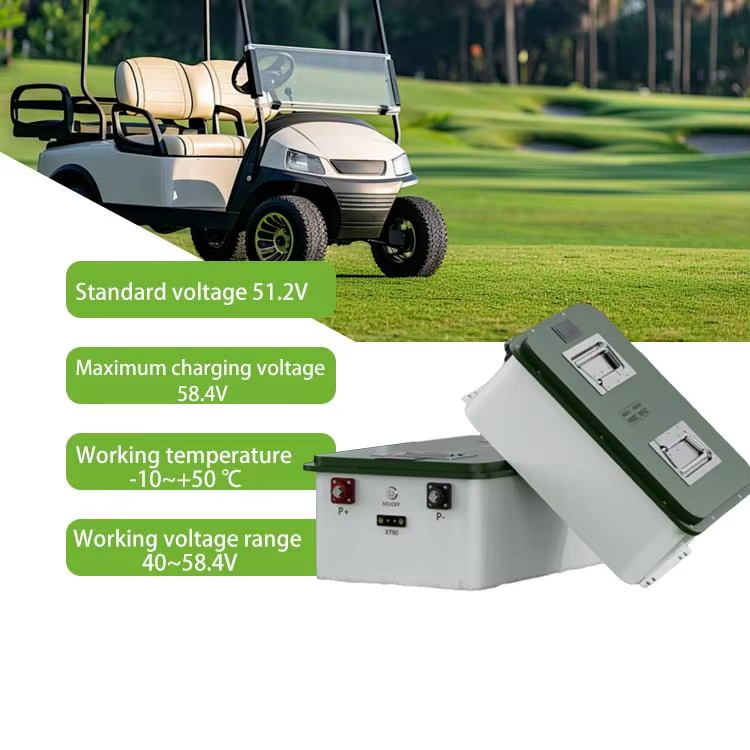
Operating temperature range represents another critical safety and performance advantage of LFP battery systems in solar applications. These batteries maintain stable operation across a wide temperature spectrum, typically from minus 20 degrees Celsius to plus 60 degrees Celsius, accommodating diverse climate conditions without compromising safety or efficiency. The thermal stability of the chemistry means that an LFP battery experiences minimal capacity loss in extreme temperatures compared to alternative technologies.
This temperature resilience translates into consistent performance throughout seasonal variations, ensuring reliable energy storage regardless of ambient conditions. The reduced sensitivity to temperature fluctuations also extends battery lifespan by minimizing thermal stress on internal components. For solar installations in challenging environments, this temperature tolerance ensures continuous operation without expensive climate control systems or protective enclosures.
Economic Benefits and Long-Term Value
Lifecycle Cost Analysis
While the initial investment in an LFP battery system may appear higher than some alternatives, comprehensive lifecycle analysis reveals significant economic advantages that justify the premium. The exceptional cycle life of LFP technology, often exceeding 6,000 deep discharge cycles, provides decades of reliable service with minimal degradation. This longevity translates into lower cost per kilowatt-hour stored over the system lifetime compared to batteries requiring frequent replacement.
Maintenance requirements for LFP battery systems are minimal, reducing ongoing operational costs and eliminating the need for regular electrolyte additions or terminal cleaning required by other technologies. The consistent performance characteristics mean that system sizing calculations remain accurate throughout the battery lifespan, avoiding the oversizing necessary to compensate for rapid capacity degradation in other battery types. These factors combine to deliver superior return on investment for solar energy storage applications.
Energy Independence and Grid Benefits
The reliability and performance of an LFP battery enable greater energy independence by maximizing the utilization of solar generation. High round-trip efficiency ensures that minimal energy is lost during the storage and retrieval process, allowing homeowners and businesses to rely more heavily on stored solar power rather than grid electricity. This increased self-consumption reduces utility bills and provides protection against rising electricity rates.
Grid-tied solar systems with LFP battery storage can participate in demand response programs and time-of-use rate optimization, generating additional revenue streams that improve system economics. The fast response characteristics of LFP technology make these batteries ideal for frequency regulation and grid stabilization services, potentially qualifying for utility incentives and rebate programs that further enhance economic returns.
Performance Characteristics and Technical Advantages
Charge and Discharge Capabilities
The exceptional charge acceptance rate of an LFP battery allows solar systems to capture maximum energy during peak generation periods. These batteries can accept charge rates up to one-third of their capacity rating without damage, enabling rapid charging during optimal solar conditions. This capability is particularly valuable during partially cloudy days when solar generation fluctuates rapidly, allowing the battery system to capture available energy efficiently.
High discharge rates enable LFP battery systems to handle sudden load demands without voltage drop or capacity limitations. This characteristic is essential for solar installations powering variable loads such as motor starts, heating systems, or multiple appliances simultaneously. The ability to deliver rated power throughout the discharge cycle ensures consistent performance for critical applications that require uninterrupted power supply.
Depth of Discharge and Usable Capacity
Unlike lead-acid batteries that suffer permanent damage from deep discharges, an LFP battery can routinely operate at 100 percent depth of discharge without compromising lifespan. This capability means that the entire rated capacity is available for use, maximizing energy storage value and reducing system sizing requirements. For solar applications, this translates into smaller, more cost-effective battery banks that deliver equivalent usable energy.
The flat discharge voltage curve of LFP technology maintains consistent power output until the battery is nearly depleted, contrasting with other technologies that experience significant voltage drop as capacity decreases. This characteristic ensures that connected equipment receives stable power throughout the entire discharge cycle, eliminating the need for oversized inverters or voltage regulation equipment typically required with other battery types.
Environmental Impact and Sustainability
Recyclability and Material Composition
Environmental sustainability represents a crucial consideration in modern energy storage solutions, and LFP battery technology excels in this regard through its use of abundant, non-toxic materials. Iron and phosphate are readily available elements that pose minimal environmental risk during extraction, processing, and eventual recycling. The absence of cobalt, nickel, and other rare earth elements reduces dependence on environmentally destructive mining practices while ensuring stable material supply chains.
End-of-life recycling processes for LFP battery systems are well-established and economically viable, allowing recovery of valuable materials while preventing environmental contamination. The chemical stability that provides safety advantages also facilitates safer handling during recycling operations, reducing costs and environmental risks associated with battery disposal. This recyclability aligns with sustainability goals for solar energy systems that aim to minimize environmental impact throughout their operational lifetime.
Carbon Footprint and Energy Efficiency
The manufacturing process for an LFP battery generates a lower carbon footprint compared to other lithium-ion technologies due to the simpler chemistry and reduced processing requirements. The exceptional efficiency of these batteries in solar applications maximizes renewable energy utilization while minimizing waste, contributing to overall carbon emission reductions. High round-trip efficiency means that more solar energy is effectively stored and utilized rather than lost to conversion inefficiencies.
Extended lifespan characteristics reduce the frequency of battery replacement, minimizing the cumulative environmental impact associated with manufacturing, transportation, and installation of new battery systems. The durability of LFP technology aligns with the 25-year operational lifespan typical of solar panel systems, creating integrated renewable energy solutions with matched component lifetimes that maximize environmental benefits.
Installation and Integration Considerations
System Compatibility and Design Flexibility
Modern LFP battery systems are designed for seamless integration with existing solar installations and new system designs. The modular architecture allows for scalable capacity increases as energy needs grow, providing flexibility for residential and commercial applications. Standard voltage configurations match common inverter requirements, simplifying system design and reducing installation complexity while maintaining optimal performance characteristics.
The compact form factor and reduced weight of LFP battery modules compared to equivalent lead-acid systems simplify installation and reduce structural requirements for mounting systems. Built-in battery management systems provide sophisticated monitoring and protection features that integrate with solar system controllers and monitoring platforms. This integration capability enables comprehensive system optimization and remote monitoring for maximum performance and reliability.
Maintenance Requirements and Monitoring
Maintenance requirements for an LFP battery system are minimal compared to traditional battery technologies, reducing ongoing operational costs and system downtime. No periodic water additions, terminal cleaning, or equalization charging cycles are necessary, allowing for truly maintenance-free operation in most applications. Advanced battery management systems provide real-time monitoring of cell voltages, temperatures, and state of charge, enabling predictive maintenance and optimal performance.
Remote monitoring capabilities allow system owners and installers to track battery performance, identify potential issues, and optimize charging strategies without physical site visits. This monitoring infrastructure provides valuable data for system optimization and warranty validation while ensuring early detection of any performance anomalies that might require attention. The combination of reliable hardware and sophisticated monitoring creates robust energy storage solutions that deliver consistent performance with minimal intervention.
FAQ
How long does an LFP battery last in solar applications
An LFP battery typically provides 15 to 20 years of reliable service in solar applications, with many systems exceeding 6,000 deep discharge cycles before reaching 80 percent of original capacity. This exceptional lifespan matches well with solar panel warranties and provides decades of energy storage value. Proper system design and operation can extend battery life even further, making LFP technology one of the most durable options available for solar energy storage.
What makes LFP batteries safer than other lithium-ion technologies
The phosphate chemistry in LFP batteries creates inherently stable molecular bonds that resist thermal runaway and prevent fire hazards. Unlike other lithium-ion technologies, LFP batteries do not release oxygen when damaged or overheated, eliminating the risk of combustion. This safety advantage, combined with non-toxic materials and stable voltage characteristics, makes LFP technology the preferred choice for residential and commercial energy storage applications where safety is paramount.
Can LFP batteries operate in extreme weather conditions
Yes, LFP batteries maintain reliable operation across a wide temperature range from minus 20 to plus 60 degrees Celsius, making them suitable for diverse climate conditions. The chemistry remains stable in both hot and cold environments without the significant capacity loss experienced by other battery types. This temperature tolerance ensures consistent performance throughout seasonal variations while reducing the need for expensive climate control systems in battery installations.
What is the efficiency of LFP batteries in solar energy storage systems
LFP batteries achieve round-trip efficiencies typically exceeding 95 percent in solar applications, meaning minimal energy loss during charge and discharge cycles. This high efficiency maximizes the utilization of solar generation while minimizing waste, providing superior energy storage value compared to less efficient technologies. The consistent efficiency throughout the battery lifespan ensures predictable system performance and optimal return on investment for solar energy storage applications.