 EN
EN

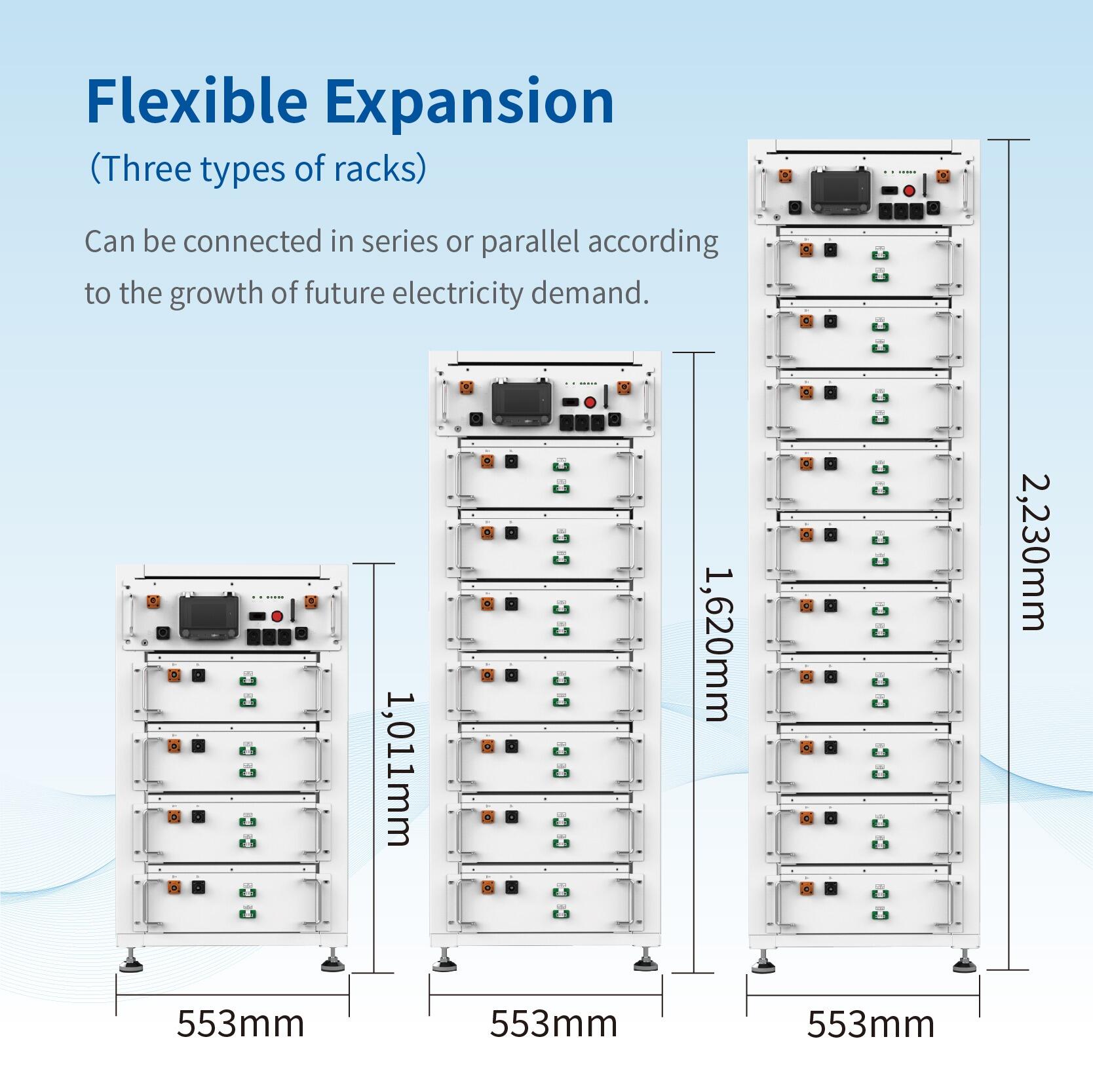
Managing your solar battery system health effectively determines the longevity, performance, and financial return of your renewable energy investment. Solar battery systems represent sophisticated energy storage solutions that require systematic monitoring and proactive maintenance to maintain optimal performance throughout their operational lifespan. Understanding how to assess, track, and maintain your solar battery system health ensures maximum efficiency while preventing costly failures and unexpected downtime.
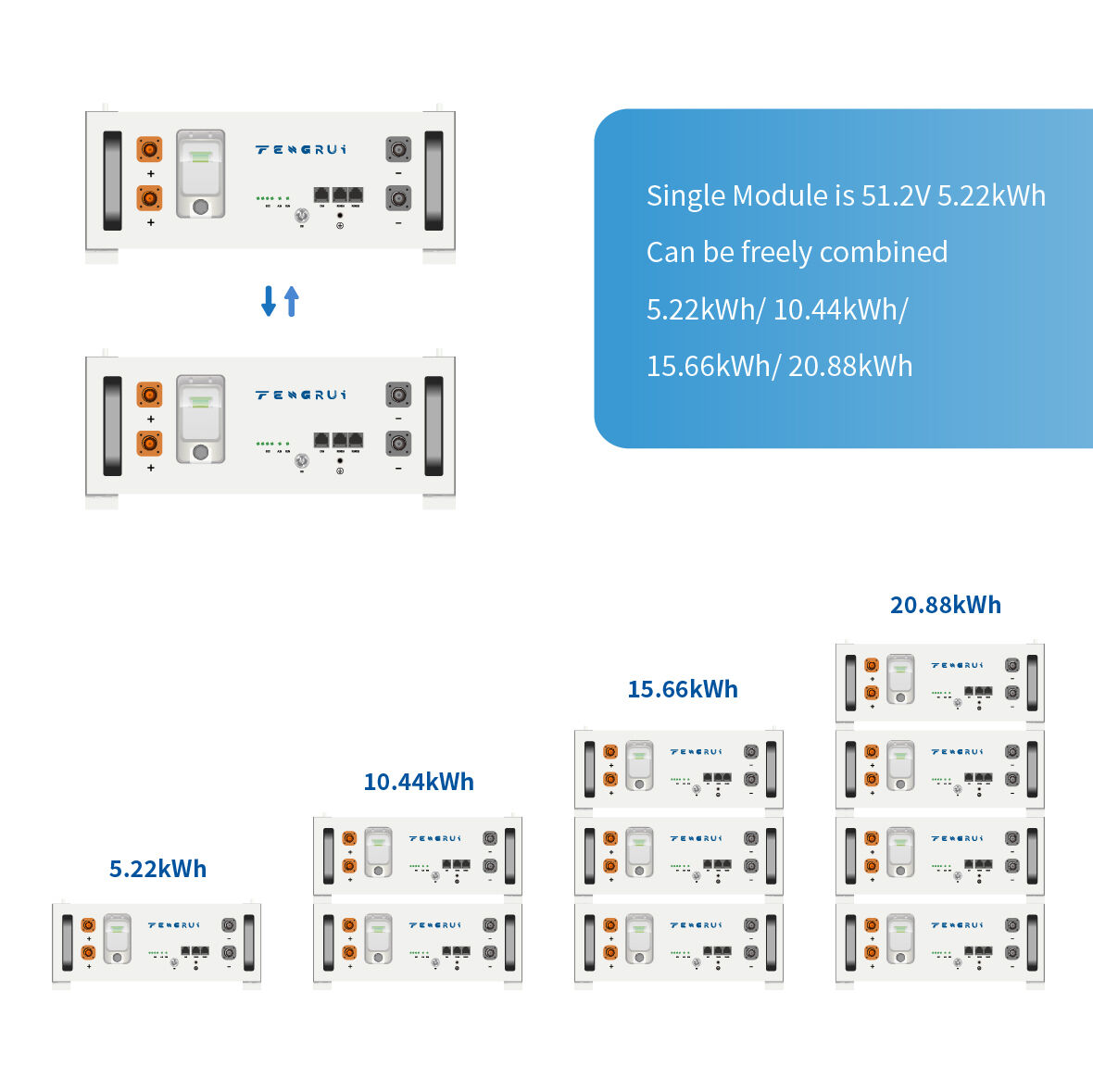
Effective solar battery system health management involves multiple interconnected processes including real-time monitoring, preventive maintenance scheduling, performance analysis, and environmental control. Modern battery management systems provide comprehensive data streams that enable precise tracking of critical health indicators, allowing system owners to identify potential issues before they impact system performance. Professional monitoring approaches combine automated systems with manual inspection protocols to ensure comprehensive oversight of your energy storage investment.
Understanding Solar Battery Health Indicators
Battery Capacity and State of Charge Monitoring
Solar battery system health fundamentally depends on accurate capacity monitoring and state of charge tracking. Battery capacity represents the maximum energy storage potential, while state of charge indicates current energy levels relative to maximum capacity. Monitoring these parameters provides essential insights into battery degradation patterns and helps optimize charging and discharging cycles for extended battery life.
Capacity monitoring requires systematic measurement of actual storage capability compared to rated specifications. Healthy batteries typically maintain 80-90% of their original capacity after several years of operation. Regular capacity testing involves controlled charge and discharge cycles under standardized conditions to establish accurate baseline measurements for ongoing performance comparison.
State of charge monitoring provides real-time insights into energy availability and usage patterns. Advanced battery management systems continuously track voltage, current, and temperature to calculate precise state of charge values. This information enables optimal energy management decisions and prevents harmful deep discharge conditions that compromise solar battery system health.
Temperature Management and Thermal Monitoring
Temperature control significantly impacts solar battery system health and operational efficiency. Battery cells perform optimally within specific temperature ranges, typically between 15-25°C for lithium-ion technologies. Temperature extremes accelerate chemical degradation processes and reduce battery lifespan, making thermal monitoring essential for long-term system health maintenance.
Effective temperature monitoring involves multiple sensor placements throughout the battery enclosure to detect thermal gradients and hot spots. Automated cooling and heating systems respond to temperature variations to maintain optimal operating conditions. Regular thermal imaging inspections identify potential connection issues and component degradation that could impact overall system performance.
Environmental temperature management extends beyond battery cooling to include proper ventilation, insulation, and climate control systems. Professional installations incorporate thermal management solutions designed for local climate conditions and expected temperature variations throughout seasonal cycles.
Voltage and Current Analysis
Voltage and current measurements provide critical insights into solar battery system health and electrical performance. Individual cell voltage monitoring detects imbalances that indicate aging, damage, or manufacturing defects. Current analysis reveals charging and discharging characteristics that impact battery longevity and system efficiency.
Advanced monitoring systems track voltage variations across individual battery cells or modules to identify weak components before they impact overall system performance. Voltage imbalances indicate potential cell degradation or connection issues that require immediate attention to prevent further damage to the solar battery system health.
Current monitoring analyzes charging and discharging patterns to optimize energy management strategies. High current spikes or irregular current flows often indicate electrical faults or component failures that require professional diagnosis and repair to maintain system reliability and safety.
Implementing Monitoring Systems and Technologies
Battery Management System Integration
Modern solar battery system health monitoring relies on sophisticated battery management systems that provide comprehensive data collection and analysis capabilities. These systems integrate sensors, controllers, and communication interfaces to enable real-time monitoring and automated response to changing conditions. Professional-grade battery management systems offer remote monitoring capabilities and predictive maintenance features.
Battery management system integration involves configuring monitoring parameters, setting alarm thresholds, and establishing communication protocols with external monitoring platforms. Proper configuration ensures accurate data collection while preventing false alarms or missed critical events that could impact solar battery system health.
Advanced battery management systems incorporate machine learning algorithms that analyze historical performance data to predict maintenance requirements and optimize operational parameters. These predictive capabilities enable proactive maintenance scheduling and help prevent unexpected failures that could compromise system reliability.
Remote Monitoring and Data Analysis
Remote monitoring capabilities enable continuous oversight of solar battery system health without requiring physical site visits. Cloud-based monitoring platforms collect data from battery management systems and provide comprehensive analytics, reporting, and alert functions. Remote monitoring proves especially valuable for commercial installations and distributed residential systems.
Data analysis platforms process monitoring information to identify trends, patterns, and anomalies that indicate potential issues with solar battery system health. Advanced analytics compare current performance against historical baselines and manufacturer specifications to detect gradual degradation or sudden performance changes.
Professional monitoring services combine automated data collection with expert analysis to provide comprehensive system oversight. These services include regular performance reports, maintenance recommendations, and emergency response capabilities to ensure optimal solar battery system health throughout the operational lifecycle.
Alarm and Alert Configuration
Effective alarm and alert systems provide immediate notification of conditions that could impact solar battery system health. Proper configuration involves setting appropriate thresholds for temperature, voltage, current, and other critical parameters. Alert systems should prioritize critical safety issues while providing informative notifications for maintenance planning.
Multi-level alert systems differentiate between informational notifications, maintenance alerts, and emergency conditions. Critical alarms trigger immediate response protocols, while routine maintenance alerts enable scheduled intervention to prevent minor issues from escalating into major problems affecting solar battery system health.
Communication protocols ensure alerts reach appropriate personnel through multiple channels including email, SMS, and mobile applications. Redundant communication paths prevent missed notifications that could result in equipment damage or safety hazards.
Maintenance Strategies and Best Practices
Preventive Maintenance Scheduling
Systematic preventive maintenance forms the foundation of effective solar battery system health management. Regular maintenance schedules should include visual inspections, electrical testing, cleaning procedures, and component replacements based on manufacturer recommendations and operational experience. Preventive maintenance prevents minor issues from developing into major failures.
Monthly inspections should focus on visual assessment of battery conditions, connection integrity, and environmental factors. Quarterly maintenance includes detailed electrical testing, calibration verification, and system performance analysis. Annual maintenance involves comprehensive component replacement and system optimization procedures.
Documentation of maintenance activities provides valuable historical information for trend analysis and warranty support. Detailed maintenance records help identify recurring issues and optimize maintenance schedules based on actual system performance and environmental conditions.
Performance Optimization Techniques
Performance optimization involves adjusting operational parameters to maximize efficiency while preserving solar battery system health. Charge and discharge rate optimization, depth of discharge management, and cycle scheduling contribute to extended battery life and improved system performance. Optimization strategies should balance immediate operational needs with long-term system preservation.
Charging optimization involves managing charge rates, voltage levels, and termination criteria to minimize stress while ensuring complete energy storage. Advanced charging algorithms adapt to battery conditions, temperature, and usage patterns to optimize charging efficiency and battery longevity.
Load management strategies distribute energy demand across multiple battery modules to prevent overloading individual components. Balanced loading extends overall system life while maintaining reliable energy delivery for critical applications and peak demand periods.
Environmental Control and Protection
Environmental protection measures safeguard solar battery system health against external factors that could accelerate degradation or cause premature failure. Proper enclosure design, ventilation systems, and climate control maintain optimal operating conditions regardless of external weather conditions or seasonal variations.
Moisture control prevents corrosion and electrical faults that compromise system safety and performance. Proper sealing, drainage, and ventilation systems maintain appropriate humidity levels while preventing condensation that could damage electrical components or create safety hazards.
Dust and debris management involves regular cleaning procedures and air filtration systems that prevent contamination of electrical connections and cooling systems. Clean operating environments extend component life and maintain optimal heat dissipation characteristics essential for solar battery system health.
Troubleshooting and Problem Resolution
Common Battery Issues and Symptoms
Understanding common battery problems enables rapid identification and resolution of issues that impact solar battery system health. Typical problems include capacity loss, voltage imbalances, thermal runaway conditions, and connection degradation. Early recognition of these symptoms prevents minor issues from escalating into major system failures.
Capacity degradation typically manifests as reduced runtime, incomplete charging, or inability to maintain rated voltage under load. These symptoms often indicate normal aging processes but may also signal premature failure due to operating stress, environmental factors, or manufacturing defects.
Voltage imbalances between battery cells or modules indicate uneven aging, connection problems, or individual cell failures. Monitoring systems detect these imbalances and provide early warning before they impact overall solar battery system health or create safety concerns.
Diagnostic Procedures and Testing
Systematic diagnostic procedures enable accurate identification of problems affecting solar battery system health. Standard testing protocols include capacity testing, impedance analysis, thermal imaging, and electrical safety verification. Professional diagnostic equipment provides accurate measurements and detailed analysis capabilities.
Capacity testing involves controlled charge and discharge cycles under standardized conditions to measure actual storage capability compared to rated specifications. Regular capacity testing establishes performance trends and identifies batteries approaching end-of-life conditions.
Impedance testing measures internal resistance characteristics that indicate battery condition and remaining life. Increased impedance typically signals aging or damage that could impact performance and safety. Regular impedance testing provides early warning of developing problems.
Repair and Replacement Strategies
Effective repair and replacement strategies minimize downtime while maintaining solar battery system health throughout the operational lifecycle. Component-level repairs address specific failures without requiring complete system replacement. Strategic replacement planning optimizes timing to minimize costs while preventing unexpected failures.
Module replacement strategies balance performance optimization with economic considerations. Replacing individual failed modules maintains system operation while preparing for eventual complete system upgrades. Modular replacement approaches provide flexibility to adapt to changing energy requirements and technology improvements.
Emergency repair procedures ensure rapid response to critical failures that could impact safety or cause extensive downtime. Pre-positioned spare components and established service relationships enable quick restoration of normal operation when problems occur.
FAQ
How often should I check my solar battery system health?
Solar battery system health monitoring should occur continuously through automated systems, with manual inspections conducted monthly. Daily automated monitoring tracks critical parameters like voltage, current, and temperature, while monthly visual inspections verify physical conditions and connection integrity. Quarterly professional assessments provide comprehensive performance analysis and maintenance planning recommendations.
What are the most important indicators of battery degradation?
Key indicators of solar battery system health degradation include reduced capacity below 80% of original rating, increased internal resistance, voltage imbalances between cells, elevated operating temperatures, and shortened charge/discharge cycles. Monitoring systems track these parameters continuously and provide alerts when values exceed normal operating ranges or indicate potential problems requiring attention.
Can I monitor my solar battery system remotely?
Yes, modern solar battery systems include remote monitoring capabilities through internet-connected battery management systems. These systems provide real-time data access, performance analytics, and automated alerts through web portals and mobile applications. Remote monitoring enables continuous oversight without physical site visits, making it ideal for both residential and commercial installations.
When should I replace my solar battery system?
Solar battery system replacement typically becomes necessary when capacity drops below 70-80% of original rating, when repair costs exceed replacement value, or when safety concerns arise from aging components. Most quality systems provide 10-15 years of reliable service with proper maintenance. Performance monitoring and economic analysis help determine optimal replacement timing to maximize return on investment while maintaining reliable energy storage capabilities.