 EN
EN

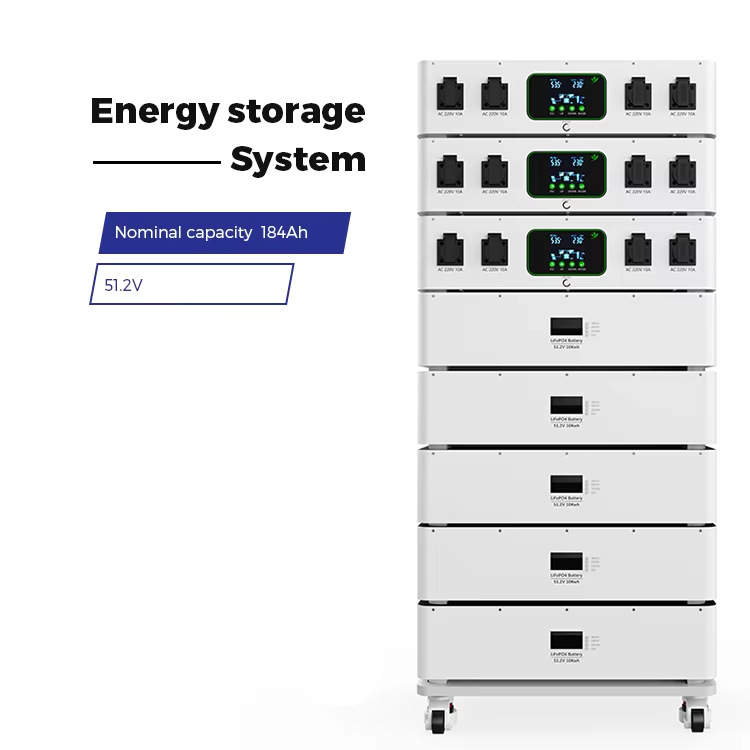
The energy storage landscape has undergone a remarkable transformation in recent years, with lithium iron phosphate technology emerging as a dominant force in both residential and commercial applications. An LFP battery represents one of the most significant advances in rechargeable battery chemistry, offering exceptional safety characteristics and longevity that traditional lithium-ion variants struggle to match. As global energy demands shift toward renewable sources and sustainable solutions, understanding the fundamental properties and advantages of LFP technology becomes crucial for industry professionals and consumers alike.
The widespread adoption of lithium iron phosphate batteries across multiple sectors demonstrates their versatility and reliability in demanding applications. From electric vehicle manufacturers to residential solar installations, the consistent performance and thermal stability of LFP chemistry have made it the preferred choice for mission-critical energy storage systems. This growing preference stems from the unique molecular structure of lithium iron phosphate, which provides inherent safety benefits while maintaining excellent cycle life characteristics that significantly reduce long-term operational costs.
Understanding LFP Battery Chemistry and Construction
Chemical Composition and Structure
The chemical foundation of an LFP battery lies in its cathode material, which consists of lithium iron phosphate (LiFePO4) arranged in a highly stable olivine crystal structure. This molecular arrangement creates strong covalent bonds between phosphorus and oxygen atoms, forming a robust framework that resists thermal runaway and structural degradation during charge and discharge cycles. The cathode's stability directly contributes to the battery's exceptional safety profile and extended operational lifespan.
Unlike conventional lithium-ion batteries that utilize cobalt-based cathodes, LFP technology employs iron as the primary transition metal, which is abundant, cost-effective, and environmentally benign. The anode typically consists of graphite or other carbon-based materials, while the electrolyte contains lithium salts dissolved in organic solvents. This combination creates a electrochemical system that operates at a nominal voltage of 3.2 volts per cell, slightly lower than traditional lithium-ion configurations but offering superior thermal and chemical stability.
Manufacturing Process and Quality Control
The production of high-quality LFP batteries requires precise control of material purity, particle size distribution, and coating processes to ensure consistent performance across large-scale manufacturing operations. Advanced synthesis techniques, including solid-state reactions and hydrothermal methods, are employed to create cathode materials with optimal morphology and electrochemical properties. These manufacturing processes must maintain strict environmental controls to prevent contamination that could compromise battery performance or safety characteristics.
Quality assurance protocols for LFP battery production encompass comprehensive testing of raw materials, intermediate products, and finished cells to verify compliance with international safety standards and performance specifications. Automated testing systems evaluate capacity, internal resistance, cycle life, and thermal behavior under various operating conditions. This rigorous quality control ensures that each LFP battery meets demanding reliability requirements for critical applications in energy storage, transportation, and industrial sectors.
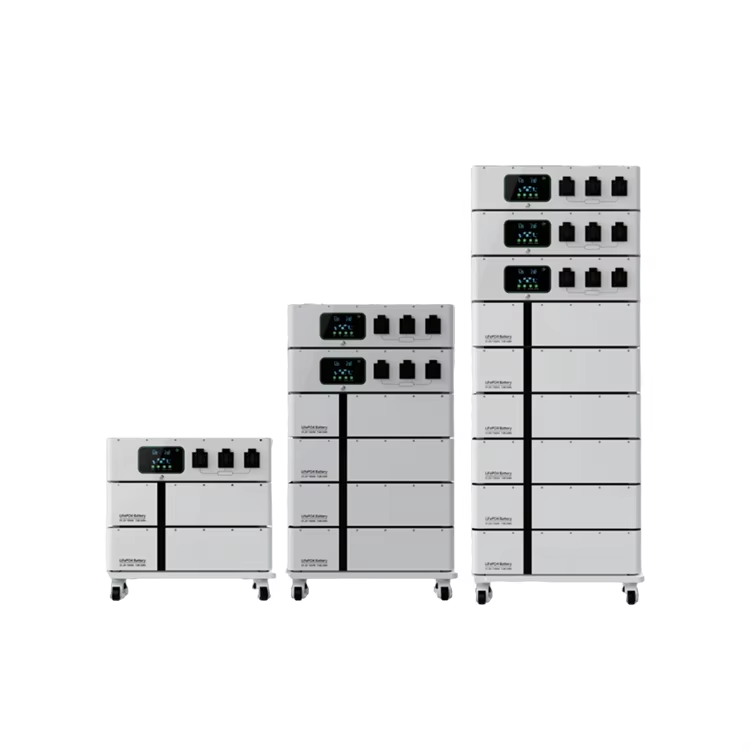
Safety Advantages and Thermal Characteristics
Inherent Safety Features
The superior safety profile of LFP battery technology stems from the inherent thermal stability of lithium iron phosphate cathode materials, which resist decomposition at elevated temperatures and maintain structural integrity under abusive conditions. Unlike cobalt-based lithium-ion batteries that can experience thermal runaway at temperatures as low as 150°C, LFP cells remain stable up to 270°C, providing a substantial safety margin for applications where temperature control may be challenging.
The oxygen atoms in the LiFePO4 crystal structure are covalently bonded to phosphorus, making them significantly more difficult to release compared to the oxygen in layered oxide cathodes. This chemical stability prevents the rapid exothermic reactions that characterize thermal runaway events in conventional lithium-ion batteries. Additionally, LFP batteries do not release toxic gases during normal operation or even under failure conditions, making them suitable for indoor installations and confined spaces.
Fire Resistance and Abuse Tolerance
Comprehensive safety testing has demonstrated that LFP batteries exhibit remarkable resistance to fire propagation and explosive failure modes that can affect other lithium-ion chemistries. Nail penetration tests, overcharge scenarios, and external heating experiments consistently show that LFP cells may vent gases and cease operation but do not exhibit violent thermal runaway or flame propagation. This behavior significantly reduces fire suppression requirements and allows for simplified installation procedures in residential and commercial applications.
The abuse tolerance of LFP technology extends to mechanical damage, overcharge conditions, and short-circuit events that could cause catastrophic failure in other battery types. Laboratory testing has shown that punctured LFP cells typically experience gradual capacity loss rather than sudden failure, while overcharge conditions result in controlled venting rather than explosive rupture. These characteristics make LFP batteries particularly suitable for applications where mechanical stress, temperature variations, or electrical faults may occur during normal operation.
Performance Characteristics and Cycle Life
Cycle Life and Degradation Patterns
One of the most compelling advantages of LFP battery technology is its exceptional cycle life, with high-quality cells capable of delivering more than 6,000 charge-discharge cycles while maintaining 80% of their original capacity. This longevity results from the stable crystal structure of lithium iron phosphate, which experiences minimal expansion and contraction during lithium insertion and extraction processes. The reduced mechanical stress on electrode materials translates directly into extended battery life and lower replacement costs over the system's operational lifetime.
Degradation mechanisms in LFP batteries differ significantly from those observed in other lithium-ion chemistries, with capacity fade occurring primarily through gradual loss of active lithium rather than structural breakdown of electrode materials. This predictable degradation pattern allows for accurate modeling of battery performance over time and enables more precise sizing of energy storage systems. The stable voltage platform of LFP cells also means that usable capacity remains relatively constant throughout the battery's life, unlike some chemistries where voltage depression reduces practical energy storage as the battery ages.
Temperature Performance and Efficiency
LFP battery technology demonstrates excellent performance across a wide temperature range, with operational capabilities extending from -20°C to +60°C without significant capacity or power degradation. Low-temperature performance is particularly noteworthy, with LFP cells maintaining over 70% of their room-temperature capacity at -10°C, making them suitable for outdoor installations and cold-climate applications. This temperature resilience reduces the need for active thermal management systems and associated energy consumption.
The round-trip efficiency of LFP batteries typically exceeds 95%, meaning that less than 5% of stored energy is lost during charge and discharge processes. This high efficiency, combined with low self-discharge rates of less than 2% per month, makes LFP technology ideal for applications requiring long-term energy storage with minimal losses. The efficiency characteristics remain stable across the battery's operational life, ensuring consistent performance throughout the system's service period.
Applications and Market Adoption
Residential Energy Storage Systems
The residential energy storage market has embraced LFP battery technology as the preferred solution for home solar installations, backup power systems, and grid-interactive energy management. Homeowners value the safety characteristics that allow indoor installation without complex fire suppression systems, while the long cycle life ensures decades of reliable operation with minimal maintenance requirements. The stable voltage characteristics of LFP batteries also provide consistent power quality for sensitive electronic equipment and appliances.
Integration with residential solar photovoltaic systems has become increasingly sophisticated, with LFP battery banks enabling homeowners to maximize self-consumption of renewable energy and reduce dependence on grid electricity. Advanced battery management systems monitor individual cell performance and optimize charging patterns to extend battery life while providing real-time feedback on energy production, consumption, and storage levels. These capabilities support the growing trend toward energy independence and grid resiliency in residential applications.
Commercial and Industrial Implementation
Commercial and industrial facilities have rapidly adopted LFP battery technology for peak shaving, load shifting, and backup power applications that require high reliability and minimal maintenance. The ability to perform thousands of cycles without significant degradation makes LFP batteries economically attractive for daily cycling applications, while their safety characteristics reduce insurance costs and regulatory compliance requirements. Large-scale installations benefit from the modular nature of LFP systems, which can be easily expanded or reconfigured as energy demands change.
Industrial applications particularly value the robust construction and abuse tolerance of LFP batteries in harsh operating environments where temperature fluctuations, vibration, and electrical disturbances are common. Manufacturing facilities, data centers, and telecommunications infrastructure rely on LFP battery systems to provide uninterruptible power during grid outages while supporting renewable energy integration and demand response programs. The predictable performance characteristics of LFP technology enable precise capacity planning and system optimization for these critical applications.
Environmental Impact and Sustainability
Resource Utilization and Mining Impact
The environmental advantages of LFP battery technology begin with its reliance on iron and phosphate, two of the most abundant elements in the Earth's crust, rather than scarce materials like cobalt or nickel that require intensive mining operations in geopolitically sensitive regions. Iron ore mining has a significantly lower environmental impact compared to cobalt extraction, which often involves artisanal mining practices with serious environmental and social consequences. The phosphate used in LFP batteries can be sourced from established fertilizer industry supply chains, reducing the need for new mining operations.
The absence of cobalt and nickel in LFP chemistry eliminates concerns about supply chain ethics and conflict minerals that affect other lithium-ion battery types. This material composition advantage supports corporate sustainability goals and enables compliance with increasingly stringent environmental regulations. Additionally, the longer lifespan of LFP batteries reduces the frequency of replacement cycles, minimizing the total resource consumption and environmental impact over the system's operational lifetime.
Recycling and End-of-Life Management
End-of-life processing of LFP batteries presents fewer environmental challenges compared to other lithium-ion chemistries due to the non-toxic nature of iron phosphate materials and the absence of heavy metals like cobalt. Recycling processes can recover lithium, iron, and phosphate with relatively simple hydrometallurgical techniques that do not require high-temperature pyrometallurgy or hazardous chemical treatments. The recovered materials can be directly reused in new battery production, creating a circular economy model for LFP battery manufacturing.
The development of specialized recycling infrastructure for LFP batteries is accelerating as the technology reaches market maturity and early installations approach end-of-life. Battery manufacturers are implementing take-back programs and designing batteries with recycling considerations from the outset, including simplified disassembly procedures and material identification systems. These initiatives ensure that the environmental benefits of LFP technology extend throughout the entire product lifecycle, from raw material extraction to final disposal and material recovery.
Cost Economics and Market Trends
Total Cost of Ownership Analysis
The economic case for LFP battery technology becomes compelling when evaluated on a total cost of ownership basis that considers initial investment, operational expenses, and replacement costs over the system's lifetime. While LFP batteries may have higher upfront costs compared to some alternatives, their extended cycle life and minimal maintenance requirements result in lower levelized cost of energy storage over 10-20 year operational periods. This economic advantage is particularly pronounced in applications requiring daily cycling or frequent deep discharge operations.
Operational cost advantages of LFP technology include reduced insurance premiums due to superior safety characteristics, elimination of active cooling systems in many applications, and decreased maintenance requirements compared to lead-acid or other lithium-ion alternatives. The predictable degradation patterns of LFP batteries also enable more accurate financial modeling and warranty provisions, reducing uncertainty in long-term investment decisions. These factors combine to create attractive return on investment scenarios for both residential and commercial energy storage projects.
Manufacturing Scale and Price Trends
Global manufacturing capacity for LFP batteries has expanded dramatically in recent years, driven by increasing demand from electric vehicle and energy storage markets. This scale-up has enabled significant cost reductions through improved manufacturing efficiency, material sourcing optimization, and technological advances in cell design and production processes. Industry analysts project continued price declines as manufacturing volumes increase and supply chains mature, making LFP technology increasingly competitive across diverse applications.
The geographic distribution of LFP manufacturing capacity has diversified beyond traditional centers in Asia, with new facilities being established in North America and Europe to serve regional markets and reduce supply chain risks. This manufacturing expansion is supported by government incentives for domestic battery production and growing recognition of the strategic importance of energy storage technology for grid stability and renewable energy integration. The resulting competition among manufacturers is accelerating innovation and driving down costs for end users.
FAQ
What makes LFP batteries safer than traditional lithium-ion batteries
LFP batteries offer superior safety due to their thermal stability, with lithium iron phosphate cathodes remaining stable up to 270°C compared to 150°C for cobalt-based alternatives. The covalently bonded oxygen atoms in the LiFePO4 structure resist release during heating, preventing thermal runaway events. Additionally, LFP batteries do not emit toxic gases during operation or failure, making them suitable for indoor installations without complex ventilation requirements.
How long do LFP batteries typically last in residential applications
High-quality LFP batteries can deliver over 6,000 charge-discharge cycles while maintaining 80% of their original capacity, which translates to 15-20 years of service in typical residential energy storage applications. The stable crystal structure of lithium iron phosphate experiences minimal expansion and contraction during cycling, resulting in predictable degradation patterns and extended operational life compared to other battery chemistries.
Are LFP batteries suitable for cold weather climates
Yes, LFP batteries demonstrate excellent cold weather performance, maintaining over 70% of their room-temperature capacity at -10°C and remaining operational down to -20°C. This temperature resilience makes them suitable for outdoor installations and cold-climate applications without requiring active heating systems. The batteries also charge effectively at low temperatures, though charging rates may be reduced to protect cell integrity.
What is the environmental impact of LFP battery production and disposal
LFP batteries have a lower environmental impact than many alternatives because they use abundant iron and phosphate materials rather than scarce elements like cobalt. The absence of toxic heavy metals simplifies recycling processes, and the longer lifespan reduces replacement frequency. End-of-life processing can recover lithium, iron, and phosphate through straightforward hydrometallurgical techniques, enabling material reuse in new battery production and supporting circular economy principles.