 EN
EN

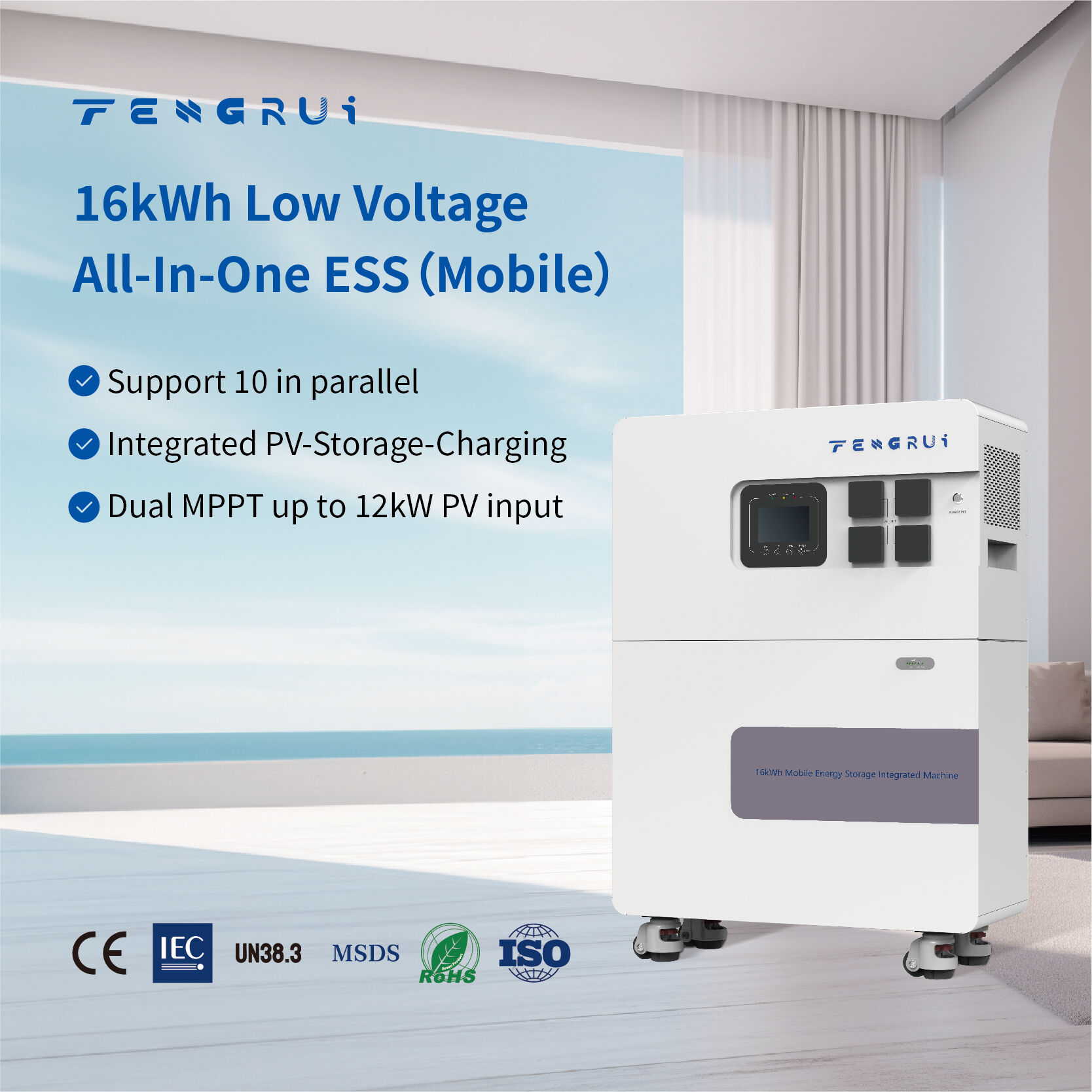
The solar energy industry continues to evolve with innovative storage solutions that cater to diverse residential and commercial applications. Two prominent configurations dominate the market today: all-in-one solar units and split inverter-battery systems. Understanding the fundamental differences between these technologies is crucial for making informed decisions about your energy storage needs. Split inverter-battery systems offer unique advantages in terms of flexibility, scalability, and maintenance accessibility that set them apart from their integrated counterparts.
Solar energy storage has transformed from a luxury addition to an essential component of modern renewable energy systems. The choice between different storage architectures impacts everything from installation complexity to long-term performance and maintenance costs. Both all-in-one units and split inverter-battery configurations serve the same fundamental purpose of storing solar energy for later use, but their design philosophies and practical applications differ significantly.
Understanding All-in-One Solar Units
Integrated Design Philosophy
All-in-one solar units represent a comprehensive approach to energy storage where the inverter, battery management system, and energy storage cells are housed within a single enclosure. This integrated design prioritizes simplicity and space efficiency, making these systems particularly attractive for residential installations with limited space. The unified construction eliminates the need for separate component installations and reduces the complexity of system wiring.
The manufacturing process for all-in-one units involves careful optimization of internal component placement and thermal management. Engineers must balance power density with heat dissipation requirements while ensuring all components operate within their optimal temperature ranges. This integration approach often results in proprietary designs that maximize the use of available space within the enclosure.
Installation and Space Requirements
Installation of all-in-one solar units typically requires less physical space and fewer mounting considerations compared to distributed systems. The single-unit design simplifies the installation process by reducing the number of electrical connections and eliminating the need to coordinate placement of separate components. Professional installers often appreciate the streamlined process that comes with these integrated solutions.
Space optimization becomes particularly important in urban residential settings where available installation areas may be limited. All-in-one units can be mounted on walls or placed in compact utility areas without requiring extensive planning for component separation. The reduced footprint makes these systems suitable for apartments, townhomes, and other space-constrained environments.
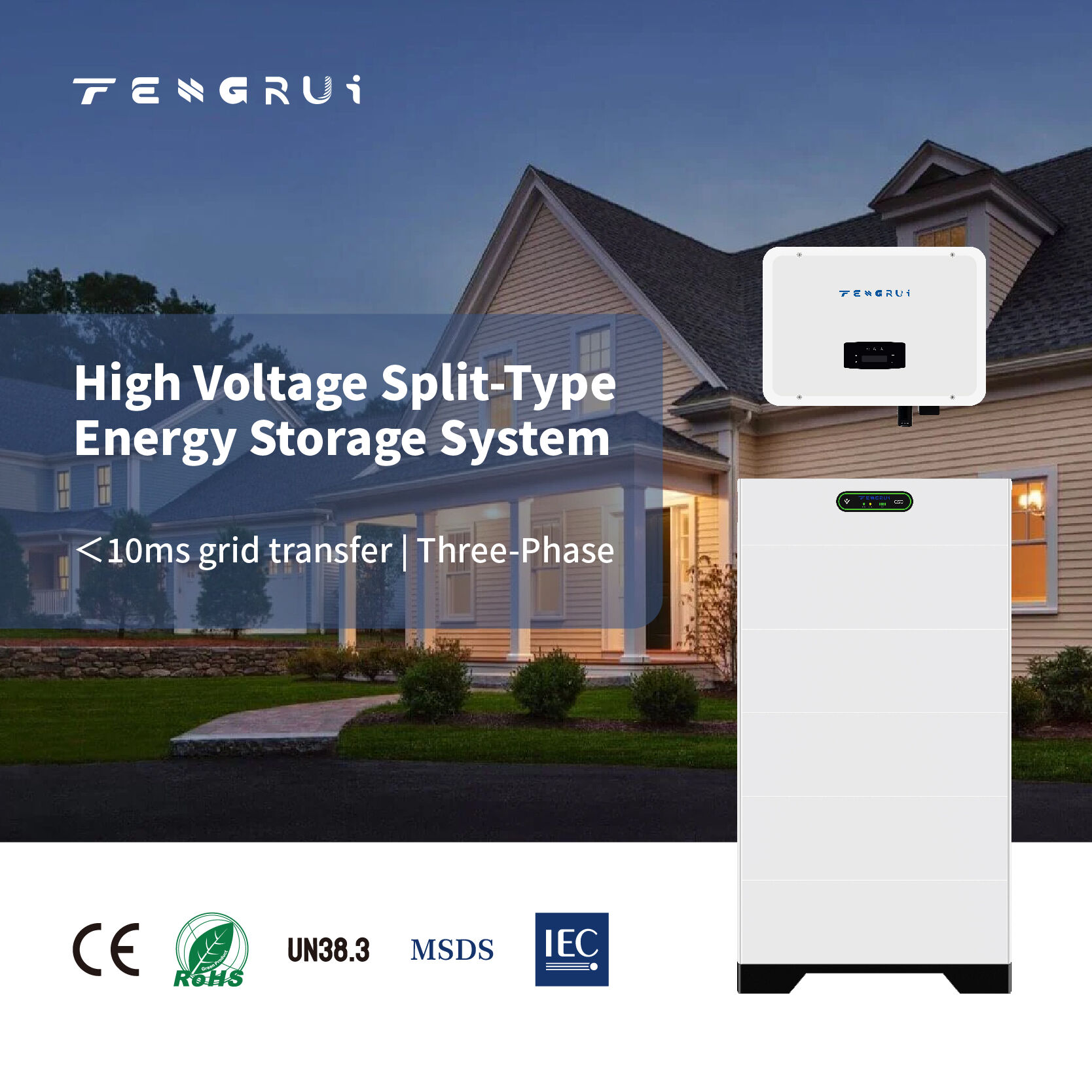
Split Inverter-Battery System Architecture
Component Separation Benefits
Split inverter-battery systems embrace a modular approach where the power inverter and battery storage components are housed in separate enclosures connected through DC cabling. This separation provides significant advantages in terms of thermal management, as each component can be optimized for its specific operating requirements without compromise. The split inverter-battery configuration allows for independent cooling strategies and reduces the risk of thermal interference between high-power components.
The modular nature of split inverter-battery systems enables more flexible system design and component selection. Users can choose battery technologies that best match their specific requirements while selecting inverters based on power conversion efficiency and grid interaction capabilities. This flexibility extends to future upgrades, where individual components can be replaced or enhanced without affecting the entire system.
Scalability and Expansion Options
One of the most significant advantages of split inverter-battery systems lies in their scalability potential. The separated architecture allows users to add additional battery capacity by connecting more storage units to the existing inverter, provided the inverter can handle the increased capacity. This modularity makes it easier to start with a smaller system and expand as energy needs grow or budget allows.
The expansion capabilities of split inverter-battery systems make them particularly suitable for commercial applications where energy demands may fluctuate seasonally or grow over time. The ability to add storage capacity without replacing the entire system provides a cost-effective path for scaling energy storage installations. This modular approach also supports phased implementation strategies where businesses can gradually build their energy independence.
Performance and Efficiency Considerations
Thermal Management Differences
Thermal management represents a critical factor in the performance comparison between all-in-one units and split inverter-battery systems. In integrated units, the close proximity of power electronics and battery cells can create thermal challenges that require sophisticated cooling solutions. The concentrated heat generation within a single enclosure may necessitate more robust cooling systems and can potentially impact the lifespan of temperature-sensitive components.
Split inverter-battery configurations naturally distribute heat generation across separate locations, allowing each component to operate within its optimal temperature range. This separation enables more targeted cooling strategies and reduces the risk of thermal runaway conditions that can affect battery performance and safety. The improved thermal isolation in split systems often translates to better long-term reliability and performance consistency.
Maintenance and Service Access
Service accessibility differs significantly between integrated and split inverter-battery systems. All-in-one units may require complete system shutdown for certain maintenance procedures, as components are tightly integrated within the same enclosure. This integration can complicate diagnostic procedures and may require specialized tools or training for service technicians.
The separated design of split inverter-battery systems provides superior maintenance access, allowing technicians to service individual components without affecting the entire system operation. This accessibility advantage extends to troubleshooting procedures, where isolated components can be tested and replaced independently. The modular approach also supports preventive maintenance strategies that can extend overall system lifespan.
Cost Analysis and Economic Factors
Initial Investment Considerations
The initial cost comparison between all-in-one solar units and split inverter-battery systems involves multiple factors beyond simple component pricing. All-in-one units may offer lower installation costs due to their simplified setup requirements, but this advantage must be weighed against potential limitations in component selection and future expansion capabilities. The integrated design may also include premium pricing for the convenience and space-saving benefits.
Split inverter-battery systems often provide more competitive component pricing due to the ability to select individual components from different manufacturers. This flexibility allows users to optimize their investment by choosing cost-effective solutions for each system element while maintaining performance standards. The modular approach also supports budget-conscious implementation strategies where users can start with essential components and add features over time.
Long-term Value and Upgrade Paths
Long-term economic considerations favor split inverter-battery systems in many applications due to their upgrade flexibility and component replaceability. The ability to replace individual components as they reach end-of-life or as technology improves provides better protection for the initial investment. This modularity can significantly extend the useful life of the overall system compared to integrated solutions that may require complete replacement.
The upgrade path advantages of Split Inverter-Battery systems become particularly valuable as energy storage technology continues to advance rapidly. Users can take advantage of improved battery chemistries, more efficient inverters, or enhanced monitoring systems without replacing their entire energy storage investment. This forward compatibility represents significant economic value over the system's operational lifetime.
Installation Requirements and Complexity
Professional Installation Considerations
Installation complexity varies considerably between all-in-one solar units and split inverter-battery systems, with implications for both professional installers and system owners. All-in-one units typically require fewer electrical connections and less coordination between components, potentially reducing installation time and labor costs. However, the integrated nature may require more careful planning for adequate ventilation and service access.
Split inverter-battery installations involve more complex planning to optimize component placement and ensure proper cable management between separated units. Installers must consider the DC cable runs between batteries and inverters, proper grounding techniques, and coordination of multiple enclosures. Despite this increased complexity, the separated design often provides more flexibility in component placement to optimize system performance and accessibility.
Electrical Safety and Code Compliance
Electrical safety requirements apply differently to integrated and split inverter-battery systems, particularly regarding DC disconnect requirements and grounding strategies. All-in-one units may incorporate internal safety features that simplify external safety installations, but may also present challenges for meeting specific local electrical codes that require accessible disconnect switches.
Split inverter-battery systems typically provide clearer compliance paths for electrical codes due to their distributed nature and accessible component design. The separated architecture allows for proper installation of required safety equipment and provides clear access for inspection and maintenance procedures. This compliance advantage can be particularly important in commercial installations where rigorous safety standards apply.
Technology Integration and Smart Features
Monitoring and Control Capabilities
Modern energy storage systems incorporate sophisticated monitoring and control features that enhance performance and user experience. All-in-one solar units may offer streamlined monitoring interfaces due to their integrated design, with all system parameters accessible through a single control interface. This integration can simplify system management but may limit the granular control available for individual components.
Split inverter-battery systems often provide more detailed monitoring capabilities by allowing independent monitoring of inverter and battery performance parameters. This granular visibility enables more sophisticated energy management strategies and can provide better diagnostic information for troubleshooting and optimization. The separated monitoring approach also supports more advanced analytics and performance optimization techniques.
Grid Integration and Smart Grid Compatibility
Grid integration capabilities represent an increasingly important factor in energy storage system selection as utilities implement advanced grid management programs. Both all-in-one units and split inverter-battery systems can incorporate grid-interactive features, but the implementation approaches may differ significantly based on their architectural designs.
The modular nature of split inverter-battery systems often provides better flexibility for implementing advanced grid integration features through specialized inverter selection. This flexibility becomes valuable as grid codes evolve and new grid services become available. The ability to upgrade inverter functionality independently of battery storage provides better long-term compatibility with emerging smart grid technologies.
FAQ
Which system type offers better reliability and longevity
Split inverter-battery systems generally offer superior reliability due to their distributed design that prevents single points of failure from affecting the entire system. The separated components experience less thermal stress and can be maintained or replaced independently, contributing to longer overall system life. Additionally, the modular nature allows for component upgrades that can extend system usefulness beyond the lifespan of individual components.
How do maintenance costs compare between the two system types
Maintenance costs for split inverter-battery systems are typically lower over the long term due to easier service access and the ability to replace individual components rather than entire systems. While all-in-one units may have lower initial maintenance complexity, any significant repairs often require more extensive service procedures and potentially higher labor costs due to the integrated design.
Can existing solar installations easily integrate either system type
Split inverter-battery systems generally offer better integration flexibility with existing solar installations due to their modular design and component selection options. The separated architecture allows for better compatibility matching with existing electrical infrastructure and provides more options for optimal system placement. All-in-one units may require more significant modifications to accommodate their specific installation requirements.
What factors should determine the choice between these system architectures
The choice between all-in-one solar units and split inverter-battery systems should consider available space, future expansion plans, maintenance preferences, and budget constraints. Split inverter-battery systems are generally better for applications requiring scalability, easy maintenance access, or component flexibility, while all-in-one units may be preferable for space-constrained installations where simplicity is prioritized over expandability.