 EN
EN

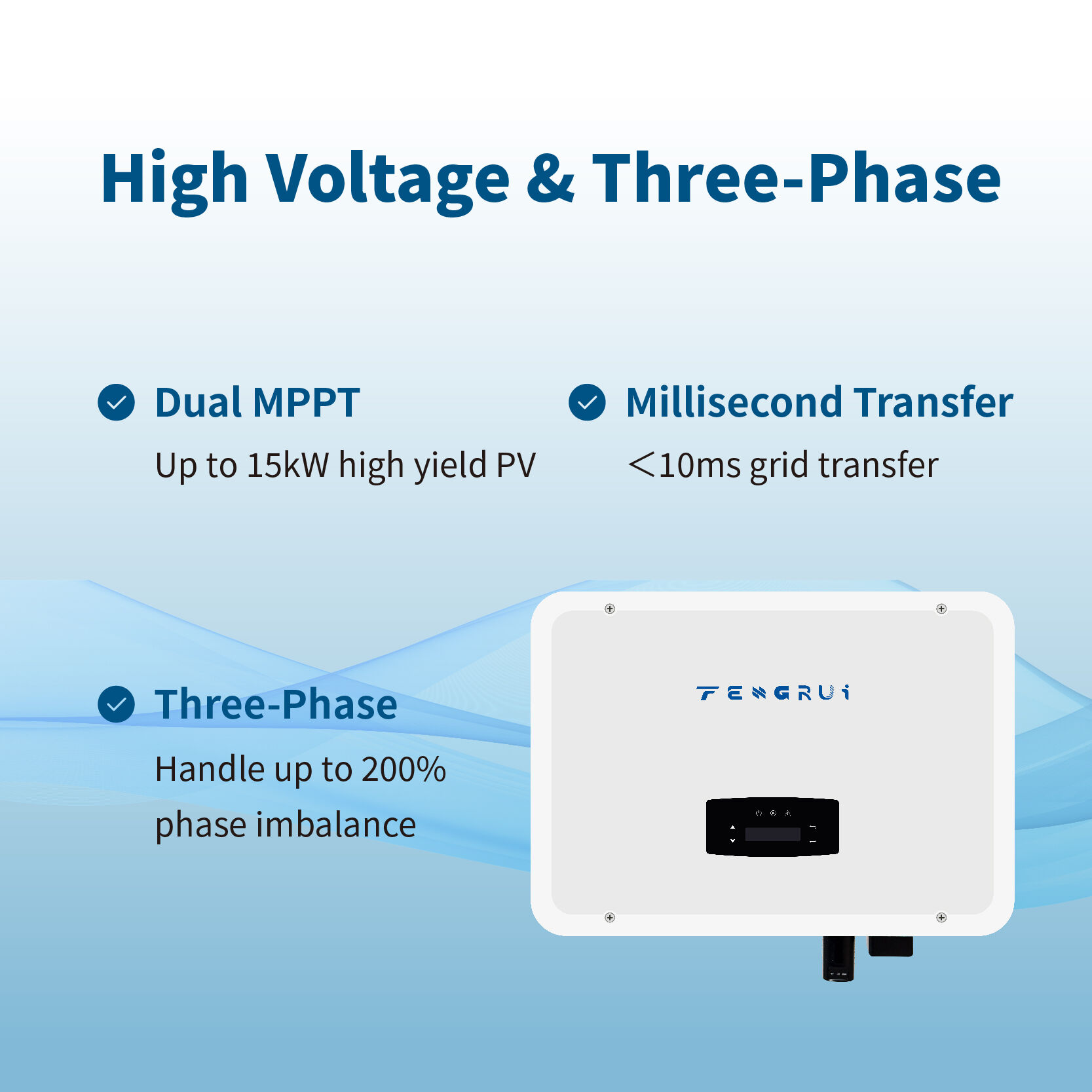
A solar inverter serves as the critical bridge between solar panels and the electrical systems that power our homes and businesses. This essential component transforms the direct current electricity generated by photovoltaic panels into alternating current electricity that can be safely used by household appliances and fed into the electrical grid. Understanding the fundamental role of a solar inverter is crucial for anyone considering renewable energy solutions or seeking to optimize their existing solar power systems.
The importance of solar inverters extends far beyond simple power conversion. These sophisticated devices incorporate advanced monitoring capabilities, safety features, and grid synchronization functions that ensure optimal performance and protection for both the solar installation and the broader electrical infrastructure. Modern solar inverter technology has evolved to include smart features that maximize energy harvest, provide real-time performance data, and enable remote system management.
Fundamental Functions of Solar Inverters
Power Conversion Process
The primary function of a solar inverter involves converting direct current electricity produced by solar panels into alternating current electricity suitable for standard electrical applications. Solar panels generate DC power when sunlight strikes their photovoltaic cells, creating an electrical potential difference. However, most household appliances, commercial equipment, and electrical grids operate on AC power, making this conversion absolutely essential.
During the conversion process, a solar inverter utilizes sophisticated electronic circuits and switching mechanisms to rapidly alternate the direction of electrical current flow. This rapid switching, typically occurring thousands of times per second, creates a waveform that closely mimics the sinusoidal pattern of grid electricity. The quality of this waveform directly impacts the efficiency and compatibility of the solar power system with connected electrical devices.
Advanced solar inverter designs incorporate maximum power point tracking technology, which continuously monitors and adjusts the electrical load to extract the maximum available power from connected solar panels. This optimization process accounts for varying environmental conditions such as sunlight intensity, temperature fluctuations, and partial shading that can affect panel performance throughout the day.
Grid Synchronization and Safety
Modern solar inverters must maintain precise synchronization with the electrical grid to ensure safe and efficient power delivery. This synchronization involves matching the frequency, voltage, and phase characteristics of the generated AC power with the existing grid parameters. Any deviation from these specifications could result in equipment damage, power quality issues, or safety hazards.
Safety features integrated into solar inverter systems include rapid shutdown capabilities that immediately disconnect the solar array from the electrical system in emergency situations. These safety mechanisms protect maintenance personnel, firefighters, and electrical workers from potential shock hazards when working on or near solar installations. Additionally, ground fault detection and arc fault protection features help prevent electrical fires and equipment damage.
Anti-islanding protection represents another critical safety function of solar inverters. This feature ensures that the solar system automatically disconnects from the grid during power outages, preventing the dangerous condition where isolated sections of the electrical grid remain energized while utility workers attempt repairs.
Types and Configurations of Solar Inverters
String Inverters
String inverters represent the most common type of solar inverter configuration for residential and small commercial installations. These centralized units connect to multiple solar panels arranged in series strings, processing the combined DC output from entire panel arrays. String inverters offer cost-effective solutions for installations with uniform panel orientations and minimal shading issues.
The installation process for string inverters typically involves mounting a single unit in a protected location near the solar array or electrical service panel. This centralized approach simplifies system monitoring, maintenance, and troubleshooting procedures. However, string inverter systems may experience reduced performance when individual panels within a string encounter shading, debris, or equipment failures.
Modern string Solar Inverter designs incorporate advanced features such as multiple maximum power point tracking inputs, allowing optimization of panel strings with different orientations or shading conditions. These multi-string configurations provide improved flexibility and performance compared to traditional single-string designs.
Power Optimizers and Microinverters
Power optimizers and microinverters represent distributed solar inverter architectures that attach directly to individual solar panels or small groups of panels. These module-level power electronics provide panel-specific optimization and monitoring capabilities that can significantly improve system performance in challenging installation conditions.
Microinverter systems eliminate the single point of failure inherent in string inverter configurations by distributing the power conversion function across multiple small units. If one microinverter fails, the remaining panels continue operating normally, maintaining overall system productivity. This distributed approach also enables detailed monitoring of individual panel performance, facilitating rapid identification and resolution of issues.
Power optimizer systems combine the benefits of distributed optimization with the cost advantages of centralized inversion. These devices condition the DC power from individual panels before sending it to a central string inverter, providing module-level monitoring and optimization while maintaining a single conversion point for the entire system.
Advanced Features and Smart Capabilities
Monitoring and Data Analytics
Contemporary solar inverters incorporate sophisticated monitoring systems that collect, analyze, and transmit detailed performance data about solar installations. These monitoring capabilities provide valuable insights into energy production, system efficiency, equipment health, and potential maintenance needs. Real-time monitoring enables proactive system management and optimization.
Data collection systems within solar inverters track multiple parameters including power output, voltage levels, current flow, temperature readings, and fault conditions. This comprehensive data logging creates historical performance records that support system analysis, warranty claims, and performance verification. Advanced analytics can identify trends, predict maintenance requirements, and optimize system operations.
Remote monitoring capabilities enable system owners and installers to access performance data and system status information from anywhere with internet connectivity. Mobile applications and web-based platforms provide user-friendly interfaces for reviewing system performance, receiving alerts about potential issues, and managing system settings remotely.
Grid Support and Smart Grid Integration
Modern solar inverters play increasingly important roles in supporting electrical grid stability and enabling smart grid functionality. Advanced inverters can provide reactive power support, voltage regulation, and frequency response services that help maintain grid stability as renewable energy penetration increases.
Smart inverter capabilities include programmable power factor control, voltage and frequency ride-through functions, and communication protocols that enable coordination with utility grid management systems. These features allow solar installations to contribute to grid stability rather than simply consuming grid services.
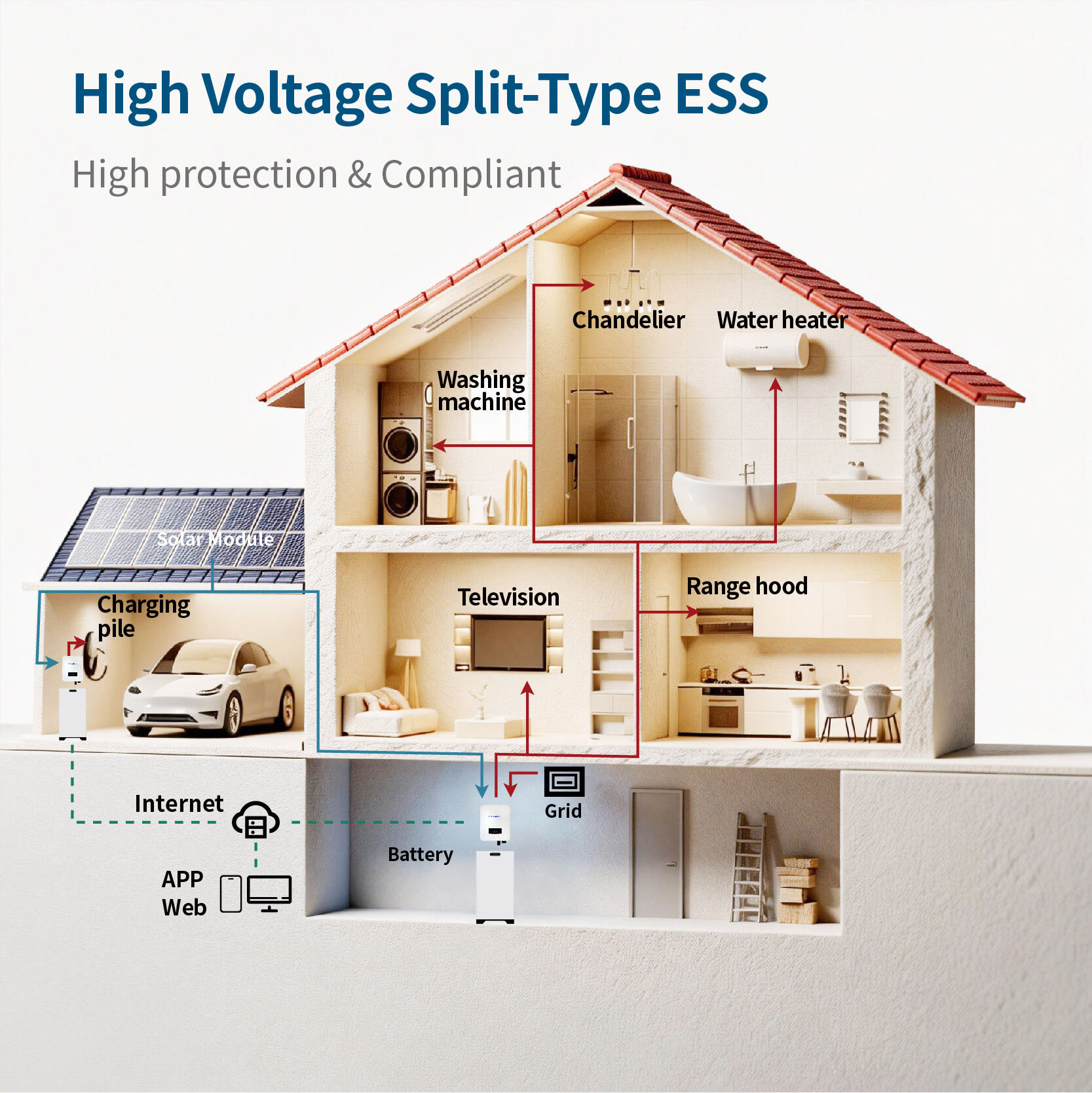
Energy storage integration represents an expanding capability of advanced solar inverters. Hybrid inverters can manage both solar panel inputs and battery storage systems, optimizing energy flows between generation, consumption, storage, and grid interaction based on economic and operational priorities.
Installation and Maintenance Considerations
Proper Sizing and Selection
Selecting the appropriate solar inverter requires careful consideration of multiple factors including solar array capacity, electrical characteristics, installation environment, and performance requirements. Proper inverter sizing ensures optimal system efficiency while avoiding equipment stress or underutilization that could compromise performance or reliability.
The DC-to-AC ratio represents a critical design parameter that balances system cost and performance. This ratio compares the total solar panel capacity to the inverter's AC output rating, with optimal ratios typically ranging from 1.1 to 1.3 depending on local conditions and economic factors. Higher ratios can improve energy harvest during suboptimal conditions but may result in power clipping during peak production periods.
Environmental considerations including temperature ranges, humidity levels, and installation location significantly impact solar inverter selection and performance. Inverters must operate reliably across wide temperature ranges while maintaining efficiency and protecting internal components from environmental stress. Proper ventilation and protection from direct sunlight, moisture, and debris are essential for long-term reliability.
Maintenance and Troubleshooting
Regular maintenance of solar inverters involves visual inspections, performance monitoring, and preventive service procedures that ensure optimal operation and extend equipment lifespan. While solar inverters generally require minimal maintenance, periodic attention helps identify potential issues before they impact system performance.
Common maintenance tasks include cleaning air intake filters, checking electrical connections, inspecting for signs of overheating or component wear, and verifying proper operation of safety systems. Documentation of maintenance activities and performance trends supports warranty compliance and helps establish maintenance schedules based on actual operating conditions.
Troubleshooting solar inverter issues typically begins with reviewing system monitoring data and error codes to identify potential causes. Common problems include grid connection issues, DC input problems, overtemperature conditions, and ground fault detection. Professional diagnosis and repair ensure safe resolution of technical issues while maintaining system warranty coverage.
Future Developments and Innovations
Emerging Technologies
The solar inverter industry continues evolving through technological innovations that improve efficiency, reliability, and functionality. Wide bandgap semiconductor technologies using silicon carbide and gallium nitride materials promise higher switching frequencies, improved efficiency, and reduced component sizes compared to traditional silicon-based designs.
Artificial intelligence and machine learning integration enable predictive maintenance, automated optimization, and adaptive control strategies that continuously improve system performance. These smart technologies can anticipate equipment failures, optimize power conversion parameters, and adapt to changing environmental conditions without human intervention.
Modular inverter designs facilitate scalability and serviceability by enabling capacity expansion and component replacement without complete system redesign. These flexible architectures support diverse installation requirements while reducing maintenance complexity and improving system availability.
Grid Integration Advancements
Advanced grid support functions continue expanding the role of solar inverters in modern electrical systems. Future inverter designs will incorporate enhanced grid stabilization capabilities, demand response participation, and peer-to-peer energy trading functions that support distributed energy resource management.
Vehicle-to-grid integration represents an emerging application where solar inverters facilitate bidirectional power flow between electric vehicles and the electrical grid. This functionality enables electric vehicles to serve as mobile energy storage systems while supporting grid stability and renewable energy integration.
Cybersecurity enhancements address growing concerns about digital security in connected energy systems. Next-generation solar inverters will incorporate robust encryption, secure communication protocols, and intrusion detection systems that protect against cyber threats while maintaining remote monitoring and control capabilities.
FAQ
How long do solar inverters typically last
Solar inverters generally have operational lifespans ranging from 10 to 25 years, depending on the technology type, environmental conditions, and maintenance practices. String inverters typically require replacement after 10-15 years, while microinverters and power optimizers often include warranties extending 20-25 years. Proper installation, adequate ventilation, and regular maintenance can significantly extend inverter lifespan and maintain optimal performance throughout the system's operational life.
Can solar inverters work during power outages
Standard grid-tied solar inverters automatically shut down during power outages due to anti-islanding safety requirements that protect utility workers from unexpected electrical hazards. However, backup-enabled inverters with battery storage systems can provide power to designated loads during outages. Hybrid inverters with energy storage capabilities offer seamless transition between grid-connected and backup operation modes, ensuring continuous power availability for critical applications.
What factors affect solar inverter efficiency
Solar inverter efficiency depends on multiple factors including temperature conditions, load levels, input voltage ranges, and component quality. Most modern inverters achieve peak efficiencies exceeding 95%, with performance varying based on operating conditions. High temperatures reduce efficiency, while operating at partial loads may decrease conversion efficiency. Proper sizing, adequate ventilation, and optimal installation practices help maintain high efficiency levels throughout the system's operational life.
Do solar inverters require special electrical permits
Solar inverter installations typically require electrical permits and inspections to ensure compliance with local building codes, electrical codes, and safety requirements. Professional installation by licensed electricians familiar with solar technology ensures proper system design, safe installation practices, and regulatory compliance. Permit requirements vary by location but generally include plan reviews, installation inspections, and utility interconnection approvals before system commissioning and operation.