 EN
EN

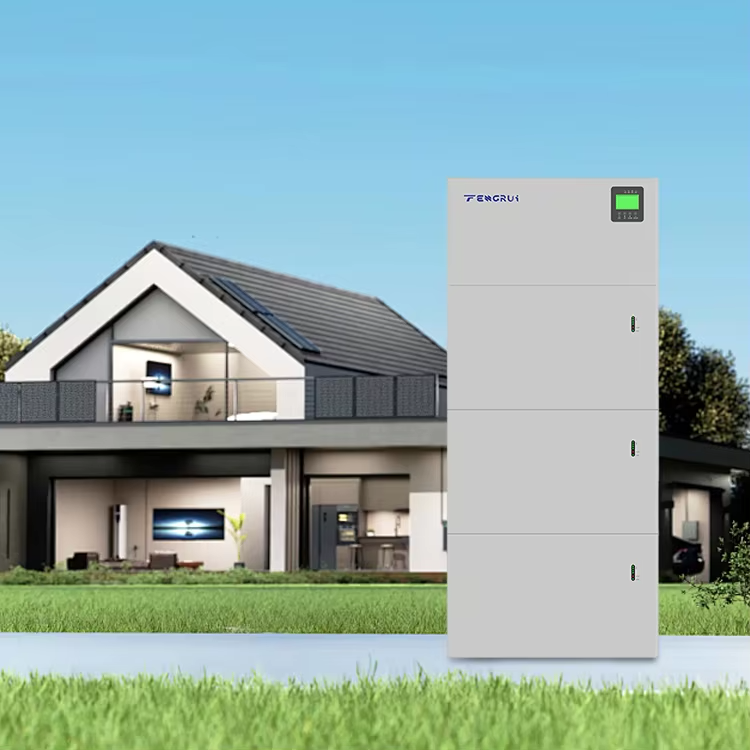
Modern energy storage demands have evolved dramatically over the past decade, driving innovation in battery technology that prioritizes safety, longevity, and environmental sustainability. Among the various battery chemistries available today, lithium iron phosphate batteries have emerged as a superior choice for residential, commercial, and industrial applications. These advanced energy storage systems offer exceptional performance characteristics that make them ideal for solar energy storage, backup power systems, and off-grid applications where reliability is paramount.
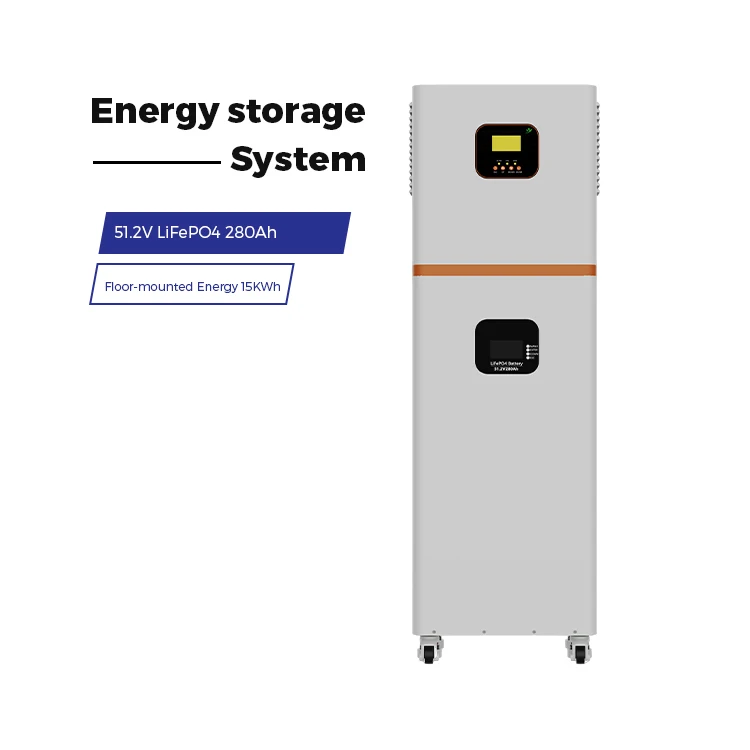
Understanding LiFePO4 Battery Technology
Chemical Composition and Structure
The fundamental advantage of lithium iron phosphate technology lies in its unique chemical structure, which incorporates iron phosphate as the cathode material. This composition creates a stable crystalline structure that resists thermal runaway and maintains consistent performance across thousands of charge cycles. The lifepo4 battery chemistry eliminates the safety concerns associated with traditional lithium-ion batteries, particularly the risk of overheating and potential fire hazards that plague cobalt-based alternatives.
The phosphate-based cathode material provides exceptional structural stability, even under extreme operating conditions. This stability translates into enhanced safety margins and reduced maintenance requirements compared to other battery technologies. The robust molecular structure ensures that the battery maintains its capacity and performance characteristics throughout its extended operational lifespan, making it an economically viable long-term investment for energy storage applications.
Voltage and Energy Density Characteristics
Operating at a nominal voltage of 3.2 volts per cell, these batteries deliver consistent power output throughout their discharge cycle. The flat discharge curve characteristic of this technology ensures that connected devices receive stable voltage until the battery reaches near-complete discharge. This predictable voltage behavior simplifies system design and improves the performance of sensitive electronic equipment that requires stable power input.
While the energy density may be slightly lower than some lithium-ion alternatives, the practical benefits far outweigh this consideration. The extended cycle life and superior safety profile make the lifepo4 battery an excellent choice for applications where reliability and longevity take precedence over maximum energy density. The consistent performance across varying temperature ranges further enhances its appeal for demanding applications.
Superior Safety Features and Thermal Stability
Thermal Runaway Prevention
One of the most compelling advantages of this battery technology is its inherent resistance to thermal runaway, a dangerous condition that can lead to fires and explosions in other battery types. The iron phosphate chemistry remains stable even when subjected to physical damage, overcharging, or exposure to high temperatures. This exceptional thermal stability makes these batteries suitable for indoor installations without the extensive safety measures required for other lithium-ion technologies.
The stable phosphate structure maintains its integrity even under abuse conditions, releasing oxygen much more slowly than cobalt-based cathodes. This controlled oxygen release prevents the rapid temperature escalation that characterizes thermal runaway events. The enhanced safety profile enables installation in residential environments, commercial buildings, and industrial facilities with confidence in long-term operational safety.
Overcharge and Over-discharge Protection
Advanced battery management systems integrated with modern lithium iron phosphate batteries provide comprehensive protection against overcharging and over-discharging scenarios. These sophisticated control systems monitor individual cell voltages, temperatures, and current flows to maintain optimal operating conditions. The robust chemistry tolerates minor charging irregularities without permanent damage, extending the overall system lifespan.
The built-in protection mechanisms prevent voltage excursions that could compromise battery integrity or create safety hazards. Smart charging algorithms optimize the charging process to maximize battery life while maintaining safety margins. These protective features reduce maintenance requirements and provide peace of mind for users who depend on reliable energy storage solutions.
Exceptional Longevity and Cycle Life Performance
Extended Operational Lifespan
The remarkable cycle life of lifepo4 battery systems typically exceeds 3,000 to 5,000 deep discharge cycles, significantly outperforming traditional lead-acid batteries and many other lithium-ion alternatives. This extended operational lifespan translates into superior return on investment for energy storage applications, as the batteries maintain their capacity and performance characteristics for decades under normal operating conditions.
The gradual capacity degradation curve means that these batteries retain approximately 80% of their original capacity even after thousands of charge cycles. This predictable aging characteristic allows for accurate long-term planning and ensures consistent performance throughout the battery's operational life. The extended lifespan reduces replacement frequency and associated maintenance costs, making these systems particularly attractive for commercial and industrial applications.
Depth of Discharge Benefits
Unlike lead-acid batteries that suffer significant damage when deeply discharged, lithium iron phosphate technology tolerates 100% depth of discharge without permanent capacity loss. This capability allows users to access the full energy capacity of their storage system, maximizing the utility of their investment. The ability to fully discharge the battery without concerns about sulfation or other damage mechanisms provides operational flexibility that is particularly valuable in off-grid applications.
The tolerance for deep discharge cycles eliminates the need for complex battery management strategies that artificially limit usable capacity. Users can confidently utilize the complete energy storage capacity during extended periods of high demand or limited charging opportunities. This operational freedom enhances system efficiency and reduces the total battery capacity required for specific applications.
Environmental Impact and Sustainability Advantages
Eco-Friendly Material Composition
The environmental benefits of lithium iron phosphate technology extend beyond operational efficiency to encompass sustainable material sourcing and end-of-life recycling considerations. The absence of toxic heavy metals like cobalt, nickel, and manganese in significant quantities makes these batteries safer for both human health and environmental protection. The iron phosphate cathode material is abundant, non-toxic, and poses minimal environmental risks during manufacturing or disposal processes.
The reduced environmental impact during production makes these battery systems an environmentally responsible choice for energy storage applications. The manufacturing process requires fewer rare earth elements and generates less toxic waste compared to alternative battery technologies. This sustainable approach aligns with growing environmental consciousness and regulatory requirements for clean energy solutions.
Recycling and End-of-Life Management
The recyclable nature of lithium iron phosphate materials facilitates responsible end-of-life management and supports circular economy principles. Established recycling processes can recover valuable materials including lithium, iron, and phosphate compounds for use in new battery production or other industrial applications. The non-toxic nature of the cathode materials simplifies recycling procedures and reduces handling risks for recycling facility workers.
The extended operational lifespan of these batteries reduces the frequency of replacement and associated waste generation. When batteries eventually reach end-of-life, the recyclable components can be efficiently processed to recover valuable materials, minimizing landfill impact and supporting sustainable resource utilization. This comprehensive approach to sustainability makes lithium iron phosphate technology an environmentally responsible choice for energy storage applications.
Economic Advantages and Cost Effectiveness
Total Cost of Ownership Analysis
While the initial investment in lithium iron phosphate technology may exceed that of traditional lead-acid alternatives, the total cost of ownership strongly favors advanced battery systems over their operational lifespan. The extended cycle life, minimal maintenance requirements, and superior depth of discharge capability combine to deliver exceptional long-term value. The reduced replacement frequency and lower maintenance costs offset the higher initial investment within the first few years of operation.
The consistent performance characteristics throughout the battery's operational life eliminate the gradual capacity degradation that necessitates oversizing in traditional battery systems. This predictable performance allows for more accurate system sizing and reduces the safety margins required for reliable operation. The economic benefits become increasingly apparent in applications with frequent cycling or extended operational requirements.
Maintenance and Operational Savings
The maintenance-free operation of modern lithium iron phosphate systems eliminates the ongoing costs associated with traditional battery technologies, including electrolyte monitoring, equalization charging, and terminal cleaning. The sealed construction prevents electrolyte loss and eliminates the need for water additions or ventilation systems required for flooded lead-acid batteries. These reduced maintenance requirements translate into significant labor and material cost savings over the system's operational life.
The advanced battery management systems integrated with modern installations provide remote monitoring capabilities that enable predictive maintenance strategies. These systems can identify potential issues before they result in system failures, further reducing maintenance costs and improving operational reliability. The combination of inherent reliability and intelligent monitoring creates a low-maintenance energy storage solution that minimizes operational disruptions.
Performance in Diverse Applications
Residential Energy Storage Systems
Residential applications benefit significantly from the compact design, quiet operation, and indoor installation capability of lithium iron phosphate systems. The absence of toxic gas emissions and minimal heat generation make these batteries suitable for installation in living spaces, garages, or utility rooms without extensive ventilation requirements. The modular design allows for scalable installations that can grow with changing energy needs or budget considerations.
The fast charging capability enables efficient energy capture from solar installations during peak production periods, maximizing the utilization of renewable energy resources. The high efficiency charging and discharging processes minimize energy losses and improve overall system performance. These characteristics make residential energy storage systems more effective at reducing grid dependence and lowering electricity costs for homeowners.
Commercial and Industrial Applications
Commercial and industrial facilities require reliable energy storage solutions that can handle demanding duty cycles and provide consistent performance over extended periods. The robust construction and superior cycle life of lithium iron phosphate technology make it ideal for peak shaving applications, backup power systems, and load leveling in commercial environments. The predictable performance characteristics enable accurate energy management and cost optimization strategies.
The scalable nature of these battery systems allows for large-scale installations that can meet the substantial energy storage requirements of industrial facilities. The modular design facilitates incremental expansion and provides redundancy for critical applications. The reliable performance and minimal maintenance requirements make these systems particularly attractive for facilities where energy storage downtime could result in significant operational or financial impacts.
FAQ
What is the typical lifespan of a LiFePO4 battery system?
Most lithium iron phosphate battery systems provide 10-15 years of reliable service under normal operating conditions, with many systems exceeding 3,000 deep discharge cycles while maintaining 80% of their original capacity. The actual lifespan depends on factors such as operating temperature, depth of discharge, and charging practices, but these batteries consistently outperform traditional alternatives by significant margins.
How do LiFePO4 batteries perform in extreme temperatures?
Lithium iron phosphate batteries demonstrate excellent temperature stability, operating effectively in temperatures ranging from -20°C to 60°C (-4°F to 140°F). While capacity may be slightly reduced in extreme cold conditions, the batteries maintain their safety characteristics and resume full performance when temperatures normalize. This temperature tolerance makes them suitable for outdoor installations and harsh environmental conditions.
Can LiFePO4 batteries be used as direct replacements for lead-acid systems?
In many applications, lithium iron phosphate batteries can serve as direct replacements for lead-acid systems, though optimal performance may require adjustments to charging parameters and system configuration. The higher voltage per cell and different charging characteristics may necessitate compatible charging equipment, but the superior performance and longevity typically justify any required system modifications.
What safety certifications should I look for in LiFePO4 battery systems?
Quality lithium iron phosphate battery systems should carry relevant safety certifications such as UL1973, IEC62619, and UN38.3, depending on the intended application. These certifications verify that the batteries meet strict safety standards for energy storage applications and have undergone rigorous testing for thermal, electrical, and mechanical safety. Additionally, look for systems with integrated battery management systems that provide comprehensive protection and monitoring capabilities.