 EN
EN

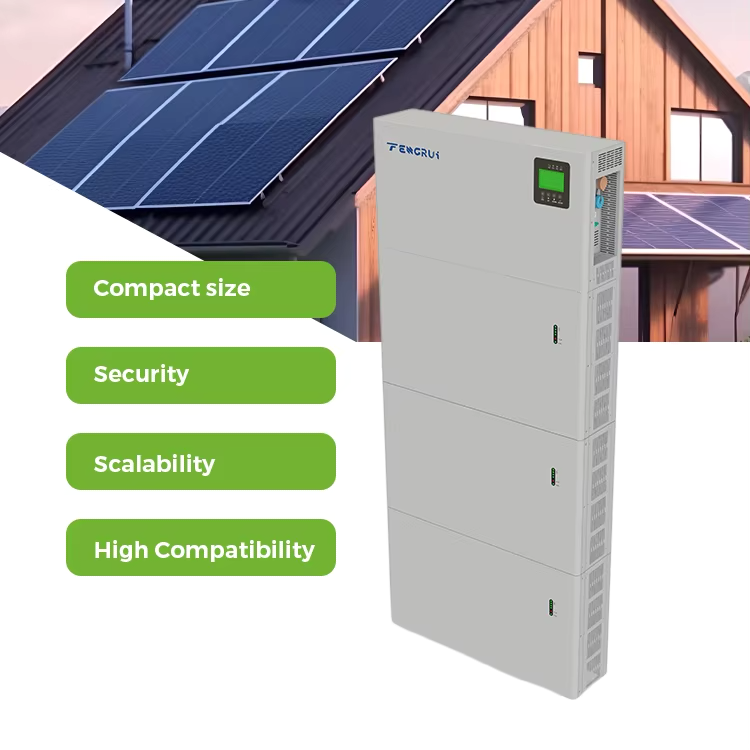
Lithium Iron Phosphate technology has revolutionized energy storage across countless applications, delivering unprecedented safety, longevity, and performance characteristics that traditional battery chemistries simply cannot match. These advanced power solutions are rapidly transforming how consumers, businesses, and industries approach energy storage challenges in our increasingly electrified world. From residential backup systems to electric vehicles, the versatility and reliability of this technology continue to expand its footprint in everyday applications where dependable power delivery remains absolutely critical.
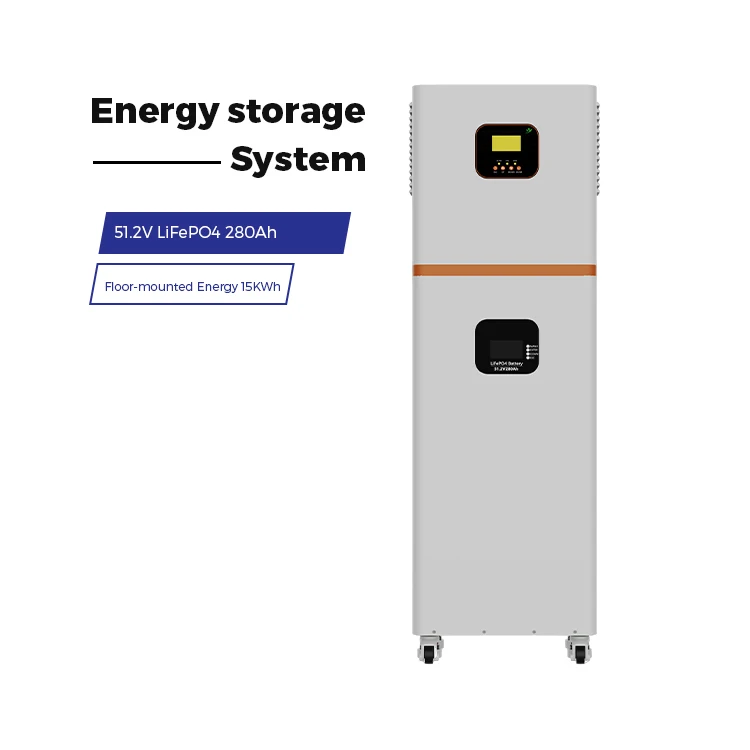
Understanding LiFePO4 Battery Technology Fundamentals
Chemical Composition and Structure
The unique chemical structure of Lithium Iron Phosphate batteries centers around their cathode material, which consists of lithium iron phosphate crystals arranged in an olivine structure. This specific molecular arrangement creates exceptionally stable chemical bonds that resist thermal runaway and provide superior safety characteristics compared to other lithium-ion chemistries. The phosphate-based cathode eliminates the oxygen-releasing reactions that can occur in oxide-based alternatives, significantly reducing fire and explosion risks during operation.
Unlike conventional lithium cobalt oxide batteries, the iron phosphate chemistry maintains structural integrity even under extreme stress conditions. The robust crystal lattice structure prevents dendrite formation and minimizes capacity degradation over thousands of charge-discharge cycles. This inherent stability translates directly into longer service life and more predictable performance characteristics throughout the battery's operational lifespan.
Performance Characteristics and Advantages
LiFePO4 batteries demonstrate remarkable cycle life capabilities, typically achieving 3000 to 5000 complete charge-discharge cycles while maintaining 80% of their original capacity. This exceptional longevity stems from the stable phosphate chemistry that resists the structural changes and material degradation common in other battery technologies. The technology also exhibits excellent thermal stability, operating safely across temperature ranges from -20°C to 60°C without significant performance degradation.
Power delivery characteristics include high discharge rates and consistent voltage output throughout the discharge cycle, making these batteries ideal for applications requiring steady power delivery. The flat discharge curve ensures equipment receives consistent voltage until the battery reaches depletion, unlike lead-acid alternatives that experience significant voltage drops during discharge. Fast charging capabilities allow users to restore full capacity in 2-4 hours using appropriate charging systems.
Residential Energy Storage Applications
Home Backup Power Systems
Residential backup power represents one of the most rapidly growing applications for LiFePO4 batteries, particularly as homeowners seek reliable alternatives to traditional generators. These systems provide seamless power transition during outages, automatically switching from grid power to battery backup without interruption to critical household systems. The compact design and maintenance-free operation make them ideal for indoor installation, eliminating the noise, emissions, and fuel storage requirements associated with fossil fuel generators.
Modern home energy storage systems integrate sophisticated battery management electronics that optimize charging from solar panels, grid power, or backup generators. Smart monitoring capabilities allow homeowners to track energy consumption patterns, battery status, and system performance through smartphone applications. The modular design enables easy capacity expansion as household energy needs grow or as additional renewable energy sources come online.
Solar Energy Integration
Integration with residential solar installations creates comprehensive energy independence solutions that maximize renewable energy utilization while minimizing grid dependence. LiFePO4 Batteries excel in solar applications due to their high charge acceptance rates and ability to handle frequent partial charge-discharge cycles without capacity degradation. This characteristic proves particularly valuable in residential settings where daily solar charging patterns rarely achieve complete battery cycles.
Time-of-use electricity pricing structures make solar-battery combinations increasingly economical, allowing homeowners to store excess solar production during peak generation periods and discharge stored energy during high-rate evening hours. Advanced energy management systems can automatically optimize charging and discharging schedules based on weather forecasts, electricity rates, and household consumption patterns to maximize economic benefits and energy independence.
Transportation and Mobile Applications
Electric Vehicle Integration
Electric vehicles increasingly utilize LiFePO4 batteries for their exceptional safety profile and thermal stability, particularly in commercial and fleet applications where reliability and longevity outweigh energy density concerns. The technology's ability to handle high discharge rates makes it suitable for acceleration demands while maintaining stable performance across varying temperature conditions. Fleet operators appreciate the reduced maintenance requirements and predictable replacement schedules that result from consistent cycle life performance.
Charging infrastructure compatibility ensures LiFePO4 batteries work effectively with existing charging networks while supporting fast-charging protocols that minimize vehicle downtime. The technology's tolerance for partial charging allows for opportunity charging during brief stops without impacting overall battery life. This flexibility proves particularly valuable for commercial vehicles with unpredictable routing and charging opportunities throughout their operating schedules.
Recreational Vehicle Applications
Recreational vehicles benefit tremendously from LiFePO4 battery installations that provide reliable power for extended off-grid adventures without the weight penalties of traditional lead-acid systems. The compact size and high energy density allow RV owners to install sufficient capacity for multiple days of autonomous operation while maintaining reasonable vehicle weight distributions. Silent operation eliminates the noise and emissions associated with generator-dependent power systems.
Marine applications particularly value the corrosion resistance and vibration tolerance that LiFePO4 technology provides in challenging saltwater environments. The sealed construction prevents electrolyte leakage even under severe motion conditions, while the stable chemistry resists degradation from constant temperature fluctuations. Boat owners can operate essential systems including navigation equipment, lighting, and communication devices without concern for battery failure during extended voyages.
Commercial and Industrial Applications
Uninterruptible Power Supply Systems
Data centers and critical infrastructure facilities increasingly deploy LiFePO4 batteries in uninterruptible power supply configurations to ensure continuous operation during grid disruptions. The technology's rapid response time and consistent voltage output provide superior protection for sensitive electronic equipment compared to traditional lead-acid UPS systems. Extended service life reduces replacement frequency and associated downtime risks while lowering total cost of ownership over the system's operational lifespan.
Telecommunications infrastructure relies on LiFePO4 batteries for backup power at cell towers, switching stations, and network operation centers where power reliability directly impacts service quality. The batteries' ability to operate in extreme temperature environments makes them suitable for outdoor installations without climate-controlled enclosures. Remote monitoring capabilities enable proactive maintenance scheduling and early detection of potential issues before they affect system availability.
Material Handling Equipment
Warehouse and distribution operations increasingly adopt LiFePO4 batteries for forklifts, automated guided vehicles, and other material handling equipment due to their opportunity charging capabilities and maintenance-free operation. The technology eliminates the ventilation requirements, watering schedules, and equalizing charges required by lead-acid alternatives while providing consistent power output throughout extended work shifts. Fast charging between shifts or during break periods ensures maximum equipment availability.
Cold storage facilities particularly benefit from LiFePO4 battery performance in sub-zero temperatures where traditional batteries experience significant capacity reductions. The stable chemistry maintains power delivery capabilities even in freezer environments, ensuring reliable operation of critical material handling equipment throughout temperature-controlled facilities. Reduced maintenance requirements minimize worker exposure to harsh environmental conditions during battery servicing.
Portable and Consumer Device Applications
Emergency Preparedness Systems
Personal emergency preparedness increasingly incorporates portable LiFePO4 battery systems that provide reliable power for communication devices, medical equipment, and essential lighting during natural disasters or extended power outages. The technology's shelf life characteristics ensure batteries maintain capacity during long storage periods without regular maintenance cycling. Compact designs enable easy transport and deployment when emergency situations arise unexpectedly.
Emergency response organizations utilize LiFePO4 batteries for portable command centers, communication repeaters, and field equipment that must operate reliably in challenging conditions. The batteries' resistance to shock and vibration makes them suitable for rapid deployment scenarios where equipment experiences rough handling. Multiple charging options including solar, AC, and DC inputs provide flexibility for field recharging when grid power remains unavailable.
Outdoor Recreation Equipment
Camping and outdoor enthusiasts increasingly rely on LiFePO4 battery packs to power LED lighting, refrigeration, and electronic devices during extended backcountry adventures. The technology's efficiency and compact size allow for lightweight pack configurations that don't compromise mobility while providing sufficient capacity for multi-day expeditions. Weather-resistant construction ensures reliable operation despite exposure to rain, dust, and temperature extremes common in outdoor environments.
Photography and videography applications benefit from the stable voltage output that ensures consistent performance of professional camera equipment and lighting systems. The batteries' ability to deliver high current bursts supports flash photography and video recording equipment while maintaining capacity for extended shooting sessions. Silent operation prevents interference with audio recording and wildlife observation activities where noise discipline proves critical.
Environmental and Safety Benefits
Reduced Environmental Impact
LiFePO4 batteries contribute significantly to environmental sustainability through their extended service life and recyclable material composition. The iron and phosphate components are abundant, non-toxic materials that don't create the disposal challenges associated with cobalt or nickel-based battery chemistries. Manufacturing processes generate fewer harmful emissions compared to traditional battery production, while the extended operational life reduces overall material consumption through reduced replacement frequency.
End-of-life recycling processes can recover valuable lithium, iron, and other materials for reuse in new battery production, creating a more circular economy model for energy storage systems. The stable chemistry eliminates the environmental risks associated with thermal runaway events that can release toxic gases and create contamination concerns. This safety characteristic makes LiFePO4 batteries suitable for installation in occupied buildings without special ventilation or containment requirements.
Enhanced Safety Profile
The inherent safety advantages of LiFePO4 technology stem from its chemical stability under abuse conditions including overcharge, over-discharge, short circuit, and physical damage scenarios. Unlike other lithium-ion chemistries that can experience thermal runaway and fire, the phosphate-based cathode maintains structural integrity even under extreme stress conditions. This safety margin provides peace of mind for residential, commercial, and mobile applications where battery failures could endanger occupants or property.
Regulatory acceptance of LiFePO4 batteries for indoor installation without special fire suppression systems reflects the technology's proven safety record across diverse applications. Insurance carriers increasingly recognize the reduced risk profile of facilities utilizing this battery technology, often providing favorable coverage terms compared to installations using traditional battery chemistries. The absence of toxic gases during normal operation or failure modes eliminates health concerns for occupants and maintenance personnel.
FAQ
How long do LiFePO4 batteries typically last in residential applications
LiFePO4 batteries in residential applications typically achieve 10-15 years of service life with daily cycling, representing 3000-5000 complete charge-discharge cycles while maintaining 80% of original capacity. Proper installation with appropriate charging systems and temperature management can extend service life even further, making them a cost-effective long-term investment for home energy storage systems.
Can LiFePO4 batteries be safely installed indoors without ventilation
Yes, LiFePO4 batteries can be safely installed indoors without special ventilation requirements due to their stable chemistry that doesn't produce hydrogen gas during normal operation or charging. The technology's resistance to thermal runaway eliminates the fire risks associated with other battery chemistries, making them suitable for basement, garage, or utility room installations in residential and commercial buildings.
What maintenance is required for LiFePO4 battery systems
LiFePO4 battery systems require minimal maintenance compared to traditional lead-acid alternatives, with no watering, equalizing charges, or terminal cleaning needed during normal operation. Periodic inspection of connections and monitoring of system performance through integrated battery management systems represents the primary maintenance requirements. Professional inspection every 2-3 years ensures optimal performance and identifies any potential issues before they affect system reliability.
How do LiFePO4 batteries perform in extreme temperature conditions
LiFePO4 batteries maintain excellent performance across temperature ranges from -20°C to 60°C, with only minimal capacity reduction at extreme temperatures compared to other battery technologies. Cold weather performance significantly exceeds lead-acid alternatives, while high-temperature stability prevents thermal runaway risks common in other lithium-ion chemistries. Proper thermal management in extreme environments can further optimize performance and extend service life.