 EN
EN

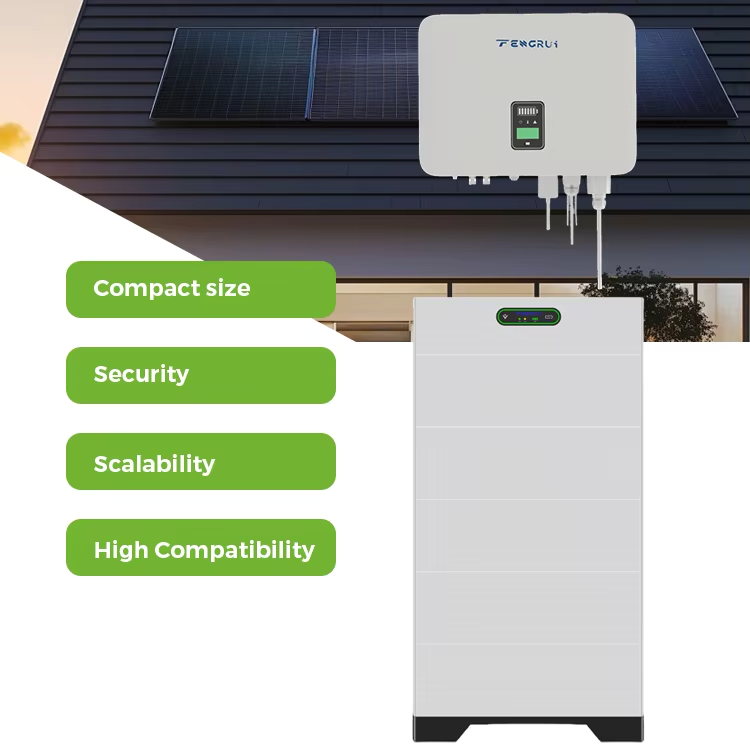
Determining the right size for your residential energy storage system requires careful analysis of your household's energy consumption patterns, backup power requirements, and financial objectives. The sizing decision directly impacts system performance, cost-effectiveness, and your ability to achieve energy independence goals during grid outages or peak demand periods.
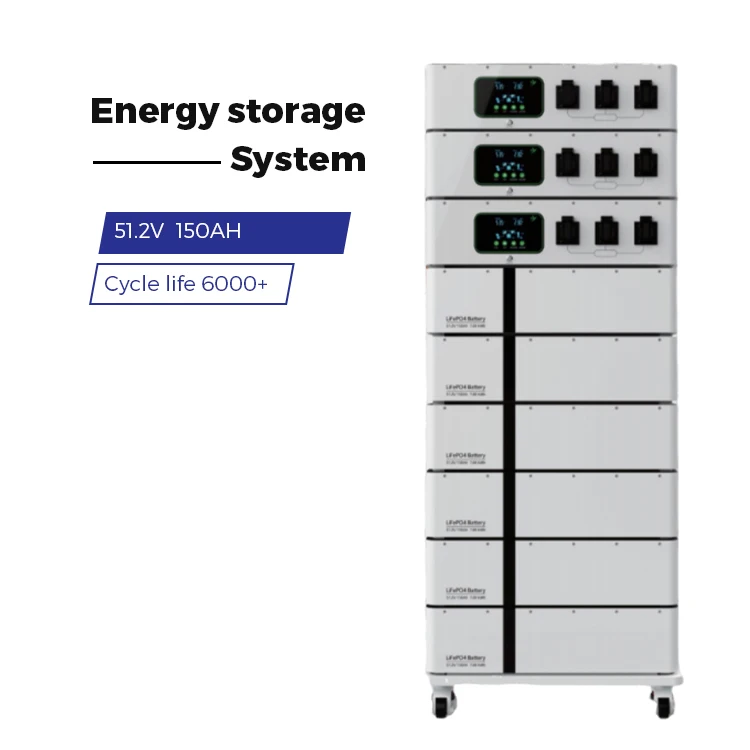
Modern homeowners face increasingly complex energy decisions as utility rates fluctuate and grid reliability concerns grow. A properly sized residential energy storage system serves as both an economic tool for reducing electricity costs and a reliability solution for maintaining essential power during outages. Understanding the key factors that influence system sizing enables you to make informed decisions that balance upfront investment with long-term energy security and savings.
Understanding Your Household Energy Consumption
Analyzing Daily Energy Usage Patterns
Your residential energy storage system sizing begins with comprehensive analysis of your household's daily kilowatt-hour consumption. Most homes consume between 20-40 kWh per day, but this varies significantly based on home size, occupancy, appliance efficiency, and seasonal factors. Review twelve months of utility bills to identify your average daily usage and seasonal variations that impact energy storage requirements.
Peak demand periods typically occur during morning and evening hours when heating, cooling, and appliance usage concentrate. Understanding these patterns helps determine when your residential energy storage system will discharge most heavily and influences the capacity needed to maintain desired backup duration. Smart home energy monitoring systems provide detailed insights into appliance-level consumption that enhance sizing accuracy.
Critical Load Assessment for Backup Power
Identifying which electrical loads require backup power during outages significantly influences your residential energy storage system size requirements. Essential loads typically include refrigeration, lighting, communication devices, medical equipment, and heating or cooling systems. Calculate the total wattage of critical loads and multiply by desired backup duration to establish minimum capacity requirements.
Different backup strategies require different sizing approaches. Whole-home backup systems need capacity to support full household loads, while essential-load-only systems can operate with smaller batteries focused on critical circuits. Many homeowners choose partial backup strategies that support 50-75% of normal consumption, balancing system cost with backup capability for extended outages.
Battery Capacity and Power Rating Considerations
Usable Capacity vs. Total Capacity
Residential energy storage system specifications include both total capacity and usable capacity, with usable capacity representing the actual energy available for household consumption. Lithium-ion systems typically provide 90-95% usable capacity, while lead-acid alternatives offer 50-60% usable capacity due to depth-of-discharge limitations that protect battery longevity.
Battery chemistry affects both capacity utilization and system lifespan. Modern lithium iron phosphate batteries in residential energy storage system applications deliver consistent performance across their full usable range and maintain capacity through thousands of charge cycles. Understanding these technical characteristics ensures your system sizing accounts for realistic available energy rather than nameplate specifications.
Power Rating and Instantaneous Load Support
Power rating measures your residential energy storage system ability to deliver instantaneous power for high-demand appliances and startup surges. This specification, measured in kilowatts, determines how many appliances can operate simultaneously during backup mode or peak shaving operations. Inadequate power rating creates bottlenecks even when sufficient energy capacity exists.
Motor-driven appliances like air conditioners, heat pumps, and well pumps require significant startup power that can exceed normal operating loads by 2-3 times. Your residential energy storage system must accommodate these surge demands while maintaining stable voltage and frequency for sensitive electronics. Professional load analysis identifies peak instantaneous requirements that influence both inverter sizing and battery specifications.
Financial and Economic Sizing Factors
Time-of-Use Rate Optimization
Utility rate structures significantly influence optimal residential energy storage system sizing for economic applications. Time-of-use rates create opportunities to store energy during low-cost periods and discharge during expensive peak hours, generating monthly savings that improve system payback periods. Analyzing your utility's rate schedule reveals potential arbitrage opportunities that justify larger system investments.
Peak demand charges penalize commercial and some residential customers based on maximum monthly power consumption during specific time windows. Residential energy storage system installations can reduce these charges by providing power during peak periods, creating additional economic value beyond simple energy arbitrage. Proper sizing ensures adequate capacity to maintain demand reduction throughout billing periods.
Solar Integration and Self-Consumption Optimization
Homes with solar installations require residential energy storage system sizing that maximizes self-consumption of generated electricity. Net metering policies affect economic optimization, as areas with low buyback rates benefit from larger battery systems that store excess solar production rather than selling it back to utilities at reduced compensation rates.
Seasonal solar production variations influence year-round system performance and sizing requirements. Summer months typically generate excess solar energy that benefits from storage, while winter production may require grid supplementation even with battery backup. Understanding these seasonal patterns ensures your residential energy storage system provides consistent value throughout the year while meeting backup power expectations.
Installation and Infrastructure Requirements
Physical Space and Installation Constraints
Residential energy storage system installations require adequate physical space, proper ventilation, and compliance with local building codes. Battery systems generate heat during operation and require clearance for maintenance access, influencing the maximum practical system size for specific installation locations. Indoor installations need climate control consideration, while outdoor systems require weather protection.
Electrical infrastructure capacity affects system sizing options and installation complexity. Older homes may require electrical panel upgrades to accommodate residential energy storage system integration, while modern installations typically include dedicated circuits for battery systems. Understanding these infrastructure requirements helps establish realistic sizing parameters within budget constraints.
Safety and Code Compliance Considerations
Building codes and safety regulations impose limitations on residential energy storage system sizing and installation practices. Fire codes specify minimum clearances, maximum battery capacity per room, and ventilation requirements that can constrain system sizing in certain locations. Professional assessment ensures compliance while maximizing allowable system capacity.
Insurance considerations may influence sizing decisions as some policies include specific coverage limitations for energy storage installations. Understanding these requirements during the planning phase prevents sizing decisions that create coverage gaps or require policy modifications. Working with experienced installers familiar with local regulations streamlines the approval process for appropriately sized systems.
Future-Proofing and Scalability Planning
Expandability and Modular Design Options
Many residential energy storage system manufacturers offer modular designs that support future capacity expansion as household needs evolve. Starting with a right-sized initial installation and planning for expansion provides cost-effective growth paths without requiring complete system replacement. Understanding expansion capabilities during initial sizing prevents costly retrofitting or incompatible component selection.
Technology advancement continues reducing residential energy storage system costs while improving performance characteristics. Sizing decisions should account for potential future upgrades and integration opportunities with emerging smart home technologies. Modular approaches provide flexibility to incorporate new features and capacity as they become available and economically attractive.
Changing Household Energy Needs
Household energy consumption patterns change over time due to family size variations, new appliances, electric vehicle adoption, and aging equipment efficiency changes. Residential energy storage system sizing should consider anticipated changes in energy usage to avoid premature obsolescence. Electric vehicle charging represents a significant new load that many homeowners will add in coming years.
Climate change and extreme weather events increase the importance of backup power capability, potentially justifying larger residential energy storage system installations than purely economic analysis would suggest. Understanding regional climate trends and grid reliability challenges helps inform sizing decisions that balance current needs with future resilience requirements.
FAQ
How do I calculate the minimum battery size needed for my home?
Calculate your minimum residential energy storage system size by multiplying your daily energy consumption in kWh by the number of backup days desired. Add 20-30% margin for efficiency losses and unexpected loads. For example, a home using 30 kWh daily wanting 2 days backup would need approximately 75-80 kWh of usable battery capacity.
What factors increase residential energy storage system sizing requirements?
Key factors that increase sizing requirements include whole-home backup needs, high-power appliances like heat pumps or electric vehicle charging, poor solar-to-consumption timing alignment, aggressive time-of-use arbitrage goals, and desire for extended outage protection. Each factor should be evaluated for its impact on both capacity and power rating specifications.
Can I start with a smaller system and expand later?
Many modern residential energy storage system designs support modular expansion, allowing you to start with adequate initial capacity and add batteries as needs grow. However, expansion capability depends on inverter capacity, electrical infrastructure, and manufacturer compatibility. Plan for expansion during initial design to ensure seamless future growth without system replacement.
How does climate affect residential energy storage system sizing?
Climate impacts sizing through seasonal energy consumption variations, battery temperature performance characteristics, and extreme weather backup duration requirements. Hot climates increase cooling loads and may reduce battery efficiency, while cold climates increase heating demands and can affect battery capacity. Size your residential energy storage system to handle peak seasonal demands while maintaining adequate performance across temperature ranges.