 EN
EN

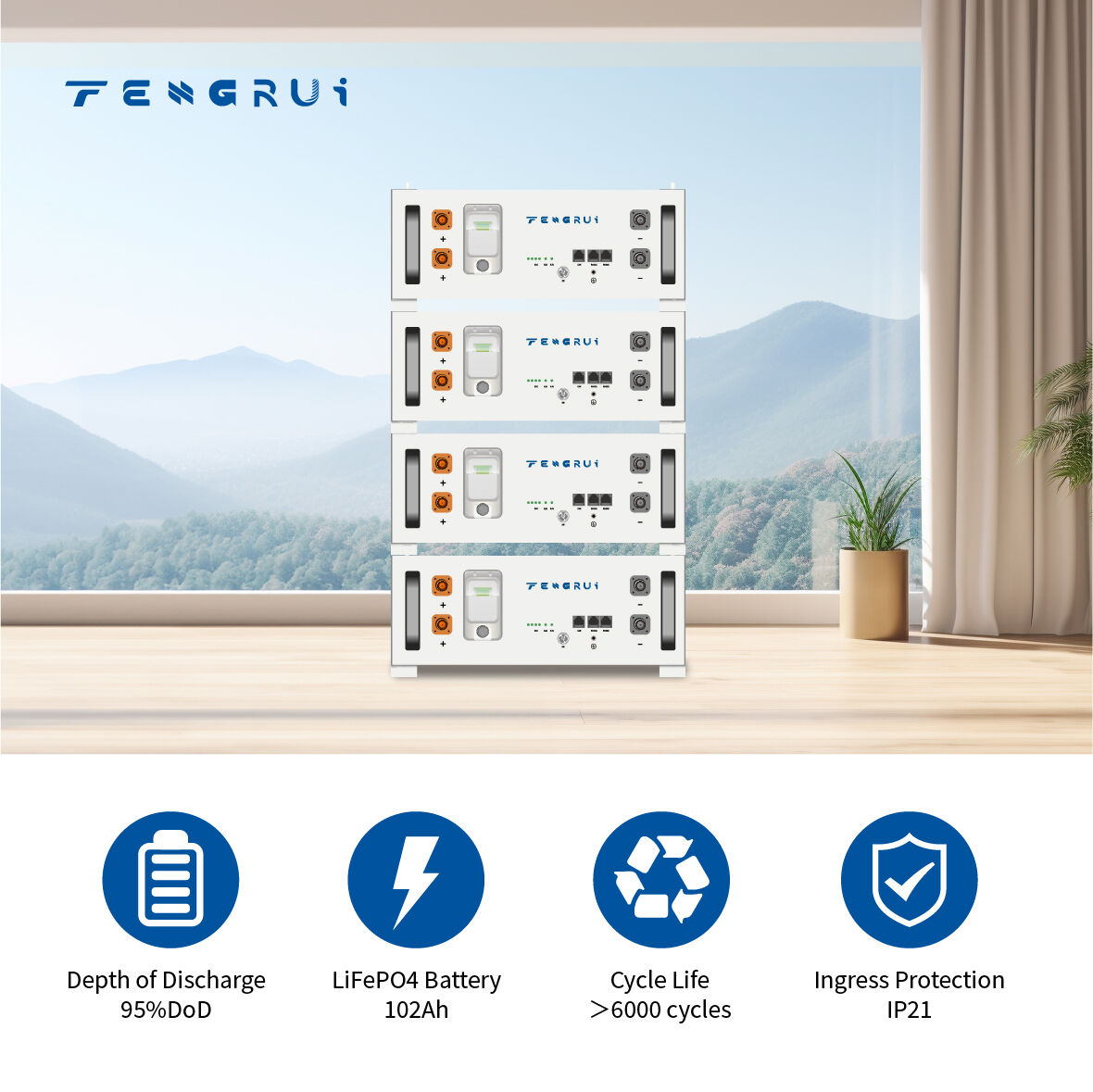
The energy storage landscape has evolved dramatically over the past decade, with battery technology playing a pivotal role in renewable energy systems, electric vehicles, and backup power solutions. Two prominent battery chemistries dominate the market today: Lithium Iron Phosphate and Lead Acid Cell technologies. Understanding the fundamental differences between these two battery types is crucial for businesses and consumers making informed decisions about their energy storage investments. While both technologies serve similar purposes in energy storage applications, their performance characteristics, cost structures, and operational lifespans vary significantly.
Technical Specifications and Chemistry Differences
Chemical Composition and Structure
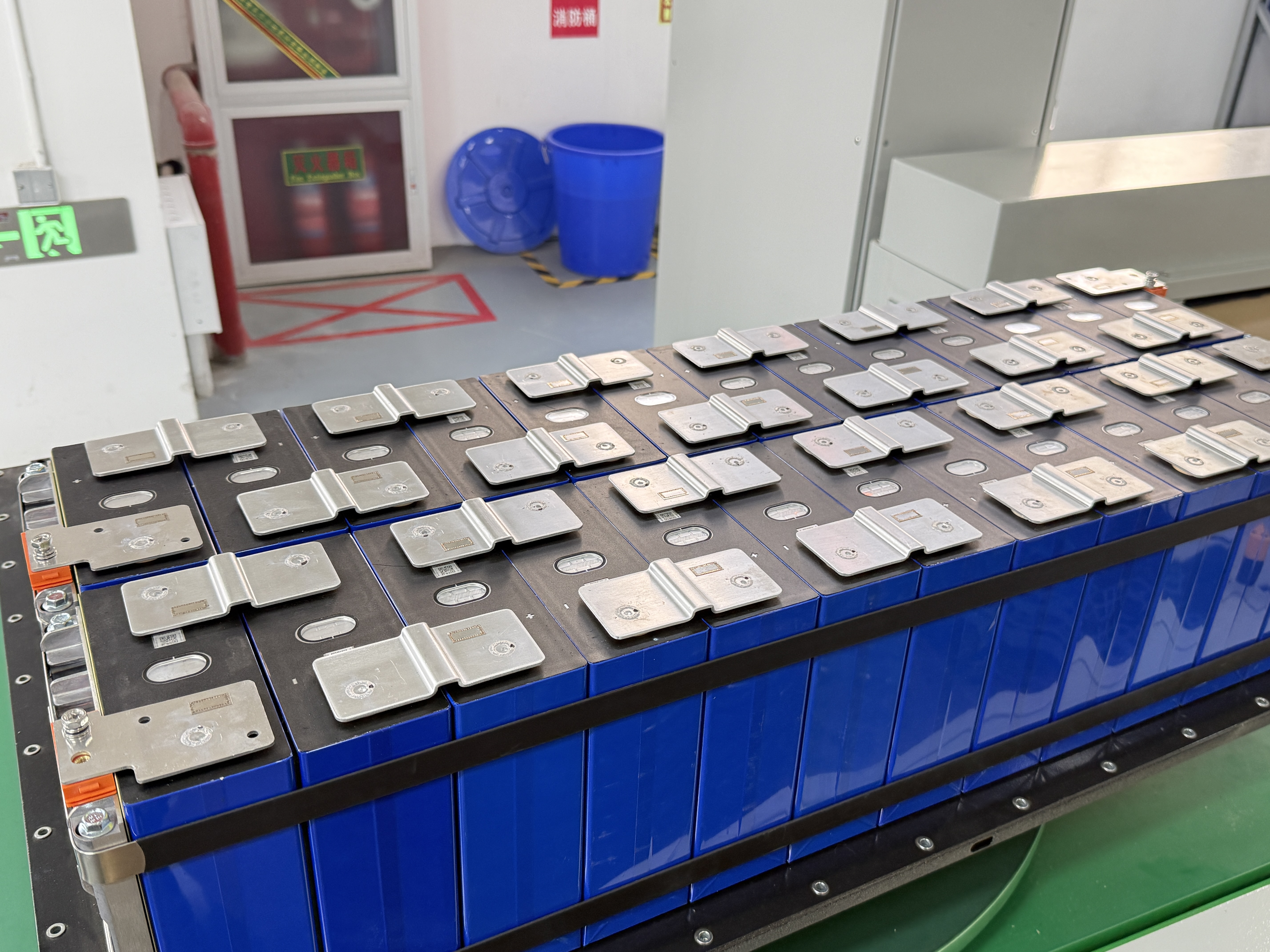
Lithium Iron Phosphate batteries utilize lithium iron phosphate as the cathode material, creating a stable and safe battery chemistry that has gained widespread acceptance in commercial applications. The phosphate-based cathode provides exceptional thermal stability and reduces the risk of thermal runaway, making these batteries inherently safer than other lithium-ion variants. This chemical structure allows for consistent voltage output throughout the discharge cycle, maintaining stable performance even under demanding conditions.
Lead Acid Cell technology, conversely, relies on lead dioxide and sponge lead electrodes immersed in sulfuric acid electrolyte. This traditional chemistry has been refined over more than a century, resulting in a well-understood and predictable technology. The electrochemical reactions in lead acid batteries are reversible, allowing for repeated charge and discharge cycles, though the efficiency and capacity degrade over time due to sulfation and other chemical processes.
Voltage Characteristics and Performance
The voltage profiles of Lithium Iron Phosphate and Lead Acid Cell systems differ significantly in their discharge characteristics. Lithium Iron Phosphate batteries maintain a relatively flat discharge curve at approximately 3.2 volts per cell, providing consistent power output until nearly complete discharge. This characteristic ensures that connected devices receive stable voltage throughout the battery's operational cycle, improving overall system efficiency and performance predictability.
Lead Acid Cell technology exhibits a more gradual voltage decline during discharge, starting at approximately 2.1 volts per cell when fully charged and decreasing steadily as the battery depletes. This voltage drop can affect the performance of sensitive electronic equipment and may require voltage regulation systems to maintain consistent output. The voltage characteristics also influence charging requirements, with lead acid batteries requiring careful monitoring to prevent overcharging and subsequent damage.
Energy Density and Physical Characteristics
Weight and Space Considerations
One of the most significant advantages of Lithium Iron Phosphate technology lies in its superior energy density compared to Lead Acid Cell alternatives. Lithium Iron Phosphate batteries typically achieve energy densities of 90-120 Wh/kg, allowing for more compact and lightweight installations. This weight reduction becomes particularly important in mobile applications, renewable energy systems, and situations where installation space is limited or weight restrictions apply.
Lead Acid Cell systems, while robust and reliable, carry significantly more weight per unit of energy stored. Traditional lead acid batteries achieve energy densities of approximately 30-40 Wh/kg, requiring substantially more physical space and structural support for equivalent energy storage capacity. This weight disadvantage can increase installation costs, require reinforced mounting systems, and limit application possibilities in weight-sensitive environments.
Thermal Management and Operating Conditions
Temperature tolerance represents another critical difference between Lithium Iron Phosphate and Lead Acid Cell technologies. Lithium Iron Phosphate batteries generally operate effectively across a wider temperature range, maintaining performance in conditions from -20°C to 60°C without significant capacity loss. This temperature resilience makes them suitable for outdoor installations, automotive applications, and environments with extreme temperature variations.
Lead Acid Cell performance becomes increasingly compromised at temperature extremes, with capacity reduction at low temperatures and accelerated degradation at high temperatures. Cold weather can reduce lead acid battery capacity by up to 50%, while high temperatures accelerate water loss and plate corrosion. These temperature sensitivities often require additional thermal management systems or climate-controlled enclosures, increasing overall system complexity and costs.
Lifecycle Performance and Durability
Cycle Life and Depth of Discharge
The operational lifespan of Lithium Iron Phosphate batteries significantly exceeds that of Lead Acid Cell alternatives, particularly when considering deep discharge cycles. Lithium Iron Phosphate batteries can typically withstand 3,000-5,000 complete charge-discharge cycles while maintaining 80% of their original capacity. This extended cycle life translates to operational lifespans of 10-15 years under normal usage conditions, providing excellent long-term value despite higher initial costs.
Lead Acid Cell technology generally provides 500-1,500 cycles depending on the depth of discharge and maintenance practices. Deep discharge cycles particularly harm lead acid batteries, with frequent discharges below 50% capacity significantly reducing overall lifespan. This sensitivity to discharge depth often requires oversizing lead acid battery banks to avoid damaging deep discharges, increasing system costs and complexity.
Maintenance Requirements and Reliability
Maintenance requirements differ substantially between Lithium Iron Phosphate and Lead Acid Cell systems, with implications for operational costs and system reliability. Lithium Iron Phosphate batteries are essentially maintenance-free, requiring no water additions, equalization charges, or regular capacity testing. This maintenance-free operation reduces labor costs and eliminates the risk of maintenance-related failures or performance degradation.
Lead Acid Cell systems, particularly flooded designs, require regular maintenance including water level monitoring, terminal cleaning, and periodic equalization charging. Sealed lead acid variants reduce but do not eliminate maintenance requirements, as they still require monitoring for proper charging and temperature control. The ongoing maintenance demands can increase operational costs and create opportunities for human error that may compromise system performance or safety.
Economic Analysis and Total Cost of Ownership
Initial Investment and Payback Period
The upfront cost differential between Lithium Iron Phosphate and Lead Acid Cell systems remains one of the primary considerations in technology selection. Lithium Iron Phosphate batteries typically cost 2-3 times more than equivalent Lead Acid Cell systems at the point of purchase. However, this initial cost premium must be evaluated against the total cost of ownership, including replacement frequency, maintenance costs, and operational efficiency over the system's lifetime.
When analyzing the complete economic picture, Lithium Iron Phosphate technology often provides better long-term value despite higher initial costs. The extended lifespan, reduced maintenance requirements, and higher efficiency of Lithium Iron Phosphate systems can result in lower total costs over 10-15 year operational periods. Lead Acid Cell systems may require replacement 2-3 times during the operational life of a single Lithium Iron Phosphate installation, potentially negating the initial cost advantage.
Operational Efficiency and Energy Losses
Charging and discharging efficiency differences between Lithium Iron Phosphate and Lead Acid Cell technologies impact long-term operational costs through energy losses. Lithium Iron Phosphate batteries typically achieve round-trip efficiencies of 95-98%, meaning minimal energy is lost during charge and discharge cycles. This high efficiency reduces electricity costs and makes renewable energy systems more effective by maximizing usable energy storage.
Lead Acid Cell systems generally operate at 80-85% round-trip efficiency, with energy losses occurring during both charging and discharging phases. These efficiency losses compound over time, particularly in frequently cycled applications, resulting in higher electricity costs and reduced system performance. The efficiency difference becomes particularly significant in grid-tied renewable energy systems where energy losses directly impact economic returns.
Application-Specific Considerations
Residential and Commercial Energy Storage
For residential and commercial energy storage applications, the choice between Lithium Iron Phosphate and Lead Acid Cell technology depends on space constraints, usage patterns, and long-term objectives. Lithium Iron Phosphate systems excel in applications requiring compact installations, frequent cycling, or minimal maintenance intervention. The superior energy density and maintenance-free operation make these systems particularly attractive for residential solar installations and commercial backup power systems.
Lead Acid Cell technology remains viable for applications where initial cost is the primary concern and adequate space is available for larger installations. Backup power systems with infrequent cycling, remote installations with limited maintenance access, and budget-constrained projects may benefit from the proven reliability and lower upfront costs of lead acid technology, despite the operational limitations.
Industrial and Grid-Scale Applications
Industrial applications present unique requirements that favor different aspects of Lithium Iron Phosphate versus Lead Acid Cell technology. Manufacturing facilities, data centers, and critical infrastructure often prioritize reliability and minimal downtime, making the superior cycle life and maintenance-free operation of Lithium Iron Phosphate systems attractive despite higher initial costs. The compact size also allows for installation in space-constrained industrial environments.
Grid-scale energy storage projects increasingly favor Lithium Iron Phosphate technology due to the scalability, efficiency, and long-term economics. The ability to achieve deeper discharge cycles without damage allows for more effective utilization of installed capacity, while the extended lifespan reduces replacement costs over project lifetimes. Lead Acid Cell technology may still find applications in specific grid services where initial cost constraints outweigh operational considerations.
Environmental Impact and Sustainability
Manufacturing and Resource Utilization
The environmental implications of choosing between Lithium Iron Phosphate and Lead Acid Cell technologies extend beyond operational considerations to include manufacturing impacts and resource utilization. Lithium Iron Phosphate batteries require lithium extraction, which has environmental consequences, but the materials are generally less toxic and more recyclable than lead-based alternatives. The longer lifespan of Lithium Iron Phosphate systems also reduces the frequency of manufacturing and disposal cycles.
Lead Acid Cell manufacturing involves lead mining and processing, with associated environmental and health risks. However, lead acid batteries benefit from well-established recycling infrastructure, with over 95% of materials typically recovered and reused. The shorter lifespan of lead acid batteries means more frequent manufacturing and recycling cycles, potentially offsetting some environmental advantages of the recycling programs.
End-of-Life Management and Recycling
Disposal and recycling considerations play increasingly important roles in battery technology selection as environmental regulations tighten and corporate sustainability goals expand. Lead Acid Cell recycling infrastructure is mature and widely available, making proper disposal straightforward and cost-effective. The established recycling processes recover valuable materials and prevent environmental contamination from lead and acid components.
Lithium Iron Phosphate recycling infrastructure is still developing but improving rapidly as adoption increases. The non-toxic nature of iron phosphate materials makes disposal less environmentally harmful than lead-based alternatives, even when recycling is not immediately available. The longer lifespan of Lithium Iron Phosphate systems also reduces the frequency of disposal events, potentially reducing overall environmental impact despite less mature recycling infrastructure.
FAQ
How long do Lithium Iron Phosphate batteries last compared to Lead Acid Cell batteries
Lithium Iron Phosphate batteries typically last 10-15 years with 3,000-5,000 charge cycles, while Lead Acid Cell batteries usually last 3-5 years with 500-1,500 cycles. The superior cycle life of Lithium Iron Phosphate technology provides significantly longer operational lifespans, especially in applications requiring frequent cycling or deep discharges.
What are the main safety differences between these two battery technologies
Lithium Iron Phosphate batteries offer superior safety characteristics with stable chemistry that resists thermal runaway and does not produce toxic gases during normal operation. Lead Acid Cell batteries can produce hydrogen gas during charging and contain corrosive sulfuric acid, requiring proper ventilation and handling precautions. Both technologies are considered safe when properly installed and maintained.
Which battery type is more cost-effective for long-term energy storage projects
While Lithium Iron Phosphate batteries have higher upfront costs, they often provide better long-term value through extended lifespan, higher efficiency, and minimal maintenance requirements. Lead Acid Cell systems may be more cost-effective for short-term projects or applications with infrequent use, but Lithium Iron Phosphate typically offers lower total cost of ownership over 10-15 year periods.
Can Lithium Iron Phosphate and Lead Acid Cell batteries be used interchangeably in existing systems
Direct replacement requires careful consideration of voltage characteristics, charging requirements, and system compatibility. Lithium Iron Phosphate batteries may require different charging profiles and battery management systems compared to Lead Acid Cell installations. While physical replacement is often possible, electrical system modifications may be necessary to optimize performance and ensure safe operation with either technology.
Table of Contents
- Technical Specifications and Chemistry Differences
- Energy Density and Physical Characteristics
- Lifecycle Performance and Durability
- Economic Analysis and Total Cost of Ownership
- Application-Specific Considerations
- Environmental Impact and Sustainability
-
FAQ
- How long do Lithium Iron Phosphate batteries last compared to Lead Acid Cell batteries
- What are the main safety differences between these two battery technologies
- Which battery type is more cost-effective for long-term energy storage projects
- Can Lithium Iron Phosphate and Lead Acid Cell batteries be used interchangeably in existing systems