 EN
EN

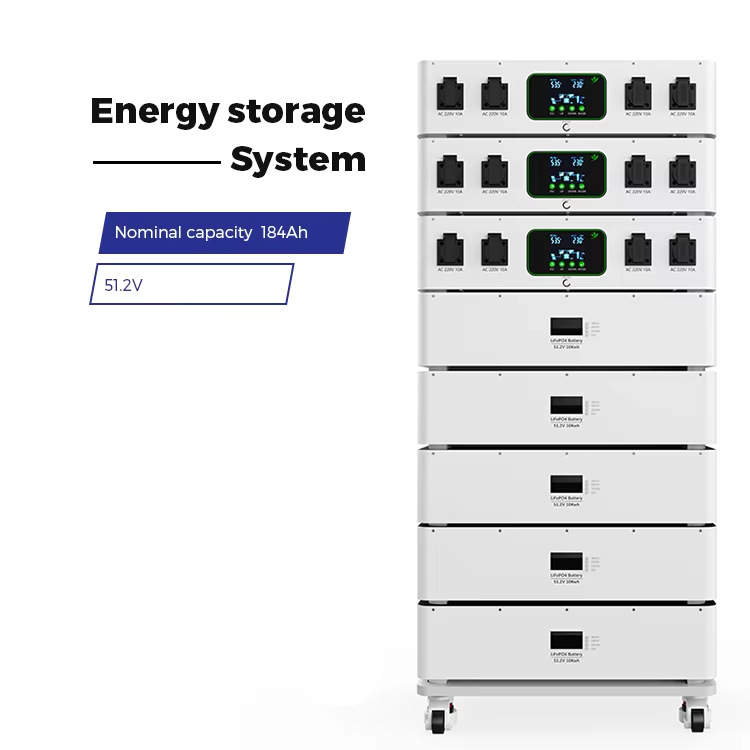
Lithium Iron Phosphate batteries, commonly known as LiFePO4 batteries, have revolutionized energy storage across residential, commercial, and industrial applications. These advanced battery systems offer exceptional safety profiles, extended cycle life, and superior thermal stability compared to traditional lithium-ion alternatives. However, maximizing their performance and longevity requires understanding proper charging protocols that ensure both optimal operation and safety compliance throughout their operational lifetime.
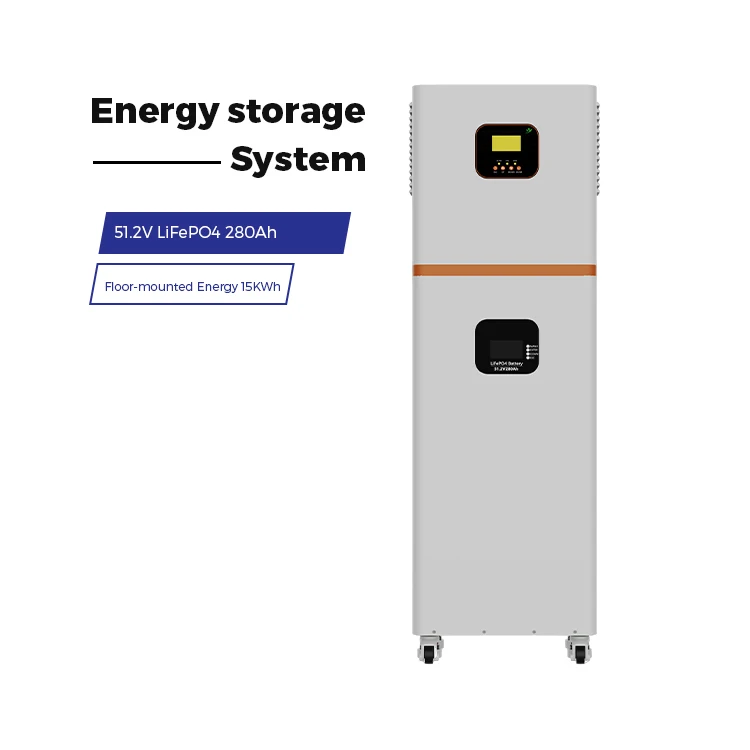
Professional battery management involves implementing precise charging strategies that protect against overcharging, thermal runaway, and voltage irregularities. Modern LiFePO4 batteries integrate sophisticated Battery Management Systems that monitor individual cell voltages, temperature fluctuations, and current flow patterns to maintain safe operating conditions. Understanding these fundamental charging principles enables users to maximize battery investment returns while ensuring consistent power delivery for critical applications.
Understanding LiFePO4 Battery Chemistry and Charging Characteristics
Fundamental Chemical Properties
LiFePO4 batteries utilize lithium iron phosphate cathode materials that provide inherent chemical stability and reduced fire risk compared to other lithium battery chemistries. The olivine crystal structure of iron phosphate creates strong covalent bonds that resist thermal decomposition, making these batteries exceptionally safe during charging cycles. This chemical stability allows for more aggressive charging parameters without compromising safety margins or accelerating degradation processes.
The nominal voltage characteristics of LiFePO4 cells typically range from 3.2 to 3.3 volts per cell, with charging voltages reaching approximately 3.6 to 3.65 volts during absorption phases. These voltage parameters differ significantly from traditional lead-acid systems, requiring specialized charging equipment designed specifically for lithium iron phosphate chemistry. Understanding these voltage requirements prevents equipment damage and ensures optimal charging efficiency throughout the battery's operational lifespan.
Charging Voltage Requirements
Precise voltage control represents the cornerstone of safe LiFePO4 battery charging protocols. Each individual cell requires charging voltages between 3.6 and 3.65 volts, with total system voltages calculated by multiplying cell count by individual cell voltages. Exceeding these voltage thresholds can trigger protective shutdowns or, in extreme cases, cause irreversible damage to battery cells and integrated management systems.
Advanced charging systems incorporate voltage sensing capabilities that monitor individual cell voltages and automatically adjust charging parameters to maintain balanced cell conditions. This voltage balancing prevents weaker cells from becoming overcharged while stronger cells remain undercharged, ensuring uniform performance across the entire battery pack. Professional installations typically include programmable charging controllers that maintain voltage precision within ±0.05 volts for optimal safety and performance.
Essential Safety Protocols for LiFePO4 Battery Charging
Temperature Monitoring and Management
Temperature control during charging cycles is critical for maintaining LiFePO4 battery safety and longevity. These batteries perform optimally within temperature ranges of 0°C to 45°C during charging, with reduced charging rates recommended at temperature extremes. Charging at temperatures below freezing can cause lithium plating on electrodes, while excessive heat accelerates electrolyte decomposition and reduces overall battery capacity.
Professional battery systems incorporate multiple temperature sensors positioned throughout battery packs to monitor thermal conditions continuously. When temperatures approach critical thresholds, advanced Battery Management Systems automatically reduce charging currents or suspend charging operations entirely until temperatures return to acceptable ranges. This thermal protection prevents thermal runaway conditions that could compromise battery integrity or create safety hazards.
Current Limiting and Charging Rate Control
Controlling charging current rates prevents excessive heat generation and extends battery cycle life significantly. Most LiFePO4 batteries can safely accept charging currents up to 1C (one times battery capacity), though slower charging rates between 0.3C and 0.5C optimize longevity and reduce thermal stress. Higher charging rates should only be implemented when rapid charging is essential and proper thermal management systems are operational.
Current limiting prevents individual cells from experiencing excessive charging stress that can lead to electrolyte breakdown or electrode damage. Professional charging systems utilize programmable current profiles that automatically adjust charging rates based on battery temperature, state of charge, and historical performance data. This intelligent current management ensures consistent charging performance while protecting against overcurrent conditions that could compromise safety or reliability.
Optimal Charging Algorithms and Techniques
Three-Stage Charging Implementation
Professional LiFePO4 battery charging employs three-stage algorithms consisting of bulk, absorption, and float phases that optimize charging efficiency while maintaining safety protocols. The bulk phase delivers maximum acceptable current until batteries reach approximately 80-90% state of charge, minimizing charging time while preventing excessive heat generation. This initial phase typically operates at constant current levels determined by battery specifications and thermal conditions.
During the absorption phase, charging voltage is held constant while current gradually decreases as batteries approach full capacity. This controlled voltage approach prevents overcharging while ensuring complete cell balancing across the entire battery pack. The absorption phase typically continues until charging current drops below predetermined thresholds, indicating that batteries have reached optimal charge levels without exceeding safe operating parameters.
Cell Balancing Strategies
Active cell balancing during charging ensures that individual cells within battery packs maintain uniform voltage and capacity characteristics. Advanced Battery Management Systems continuously monitor individual cell voltages and redirect charging current from fully charged cells to those requiring additional energy. This balancing process prevents capacity drift that can reduce overall system performance and create safety risks from unbalanced cell conditions.
Passive balancing systems utilize resistive circuits to discharge excess energy from fully charged cells, while active balancing employs transformers or capacitors to redistribute energy between cells more efficiently. Professional installations typically incorporate active balancing capabilities that minimize energy waste while maintaining precise cell voltage matching throughout charging cycles. This sophisticated balancing ensures maximum battery pack capacity and prevents premature failure of weaker cells.
Environmental Considerations and Charging Location Requirements
Ventilation and Atmospheric Conditions
Proper ventilation during LiFePO4 battery charging removes any gases that might be generated during normal operation and provides thermal management for charging equipment. While these batteries produce minimal gas emissions compared to lead-acid alternatives, adequate airflow prevents heat accumulation that could affect charging efficiency or create uncomfortable working conditions for maintenance personnel.
Charging locations should maintain relative humidity levels below 85% to prevent condensation on electrical connections and charging equipment. Excessive moisture can cause corrosion of battery terminals, charging connectors, and monitoring equipment, potentially creating safety hazards or reducing system reliability. Professional installations include environmental monitoring systems that track humidity, temperature, and atmospheric conditions continuously.
Electrical Safety and Grounding Requirements
Electrical safety during charging operations requires proper grounding of all system components and installation of appropriate overcurrent protection devices. Ground fault circuit interrupters should be installed on all charging circuits to protect against electrical shock hazards, while properly sized fuses or circuit breakers prevent damage from short circuits or equipment failures. These safety systems must comply with local electrical codes and industry standards.
Charging equipment should be installed with adequate clearances from combustible materials and include appropriate labeling to identify electrical hazards and operating procedures. Emergency shutdown procedures should be clearly posted and accessible to all personnel who might interact with charging systems. Regular inspection and testing of safety systems ensures continued protection throughout the operational lifetime of battery installations.
Maintenance and Monitoring Best Practices
Regular Performance Assessment
Systematic monitoring of charging performance identifies potential issues before they compromise safety or reduce battery life. Key performance indicators include charging efficiency, temperature profiles, voltage balancing, and charging time consistency. These parameters should be logged and analyzed regularly to detect trends that might indicate developing problems with batteries or charging equipment.
Professional maintenance programs include periodic capacity testing to verify that batteries maintain expected performance levels throughout their operational lifetime. Capacity testing under controlled conditions provides objective data about battery health and helps predict when replacement might be necessary. This predictive maintenance approach prevents unexpected failures that could compromise critical applications or create safety hazards.
Documentation and Record Keeping
Comprehensive documentation of charging operations, maintenance activities, and performance data creates valuable historical records that support warranty claims and regulatory compliance requirements. Detailed logs should include charging cycles, temperature excursions, alarm conditions, and corrective actions taken to resolve any identified issues. This documentation helps identify patterns that might indicate systemic problems requiring professional attention.
Digital monitoring systems can automatically generate performance reports and trend analyses that highlight changes in battery behavior over time. These automated reports reduce administrative burden while providing consistent documentation that supports informed decision-making about battery maintenance, replacement, or system upgrades. Professional installations often include remote monitoring capabilities that provide real-time access to critical performance data.
Troubleshooting Common Charging Issues
Addressing Charging Failures
Common charging failures with LiFePO4 batteries often result from improper voltage settings, temperature extremes, or communication problems between batteries and charging equipment. Systematic troubleshooting approaches help identify root causes quickly while preventing damage to expensive battery systems. Initial diagnostic steps should verify proper electrical connections, charging equipment settings, and environmental conditions.
When charging failures occur, Battery Management Systems typically provide diagnostic codes or status indicators that help identify specific problems. These diagnostic tools can indicate issues such as overvoltage conditions, temperature excursions, or communication failures that prevent normal charging operations. Understanding these diagnostic capabilities enables faster problem resolution and reduces system downtime.
Performance Optimization Strategies
Optimizing charging performance involves fine-tuning charging parameters based on specific application requirements and operational conditions. Factors such as ambient temperature, charging frequency, and load patterns influence optimal charging strategies for different installations. Professional optimization considers these variables to develop customized charging profiles that maximize battery life while meeting operational requirements.
Advanced charging systems allow programmable charging profiles that can be adjusted seasonally or based on changing operational requirements. These flexible systems enable users to optimize charging performance for different conditions, such as peak demand periods, extended storage, or emergency backup scenarios. Regular optimization reviews ensure that charging systems continue to meet evolving operational requirements efficiently.
FAQ
What is the recommended charging voltage for LiFePO4 batteries?
The recommended charging voltage for LiFePO4 batteries is typically 3.6 to 3.65 volts per cell, with total system voltages calculated by multiplying the number of cells. For example, a 12V system with four cells should be charged at approximately 14.4 to 14.6 volts. Exceeding these voltage limits can damage the battery or trigger protective shutdowns.
How fast can LiFePO4 batteries be safely charged?
LiFePO4 batteries can typically accept charging currents up to 1C (one times the battery capacity), though charging at 0.3C to 0.5C optimizes longevity and reduces thermal stress. For example, a 100Ah battery can safely accept up to 100A charging current, but charging at 30-50A will extend battery life significantly while still providing reasonable charging times.
What temperature range is safe for charging LiFePO4 batteries?
LiFePO4 batteries should be charged within a temperature range of 0°C to 45°C for optimal safety and performance. Charging at temperatures below freezing can cause lithium plating, while charging above 45°C accelerates degradation and reduces capacity. Many professional systems include temperature compensation to adjust charging parameters automatically based on ambient conditions.
Do LiFePO4 batteries require special charging equipment?
Yes, LiFePO4 batteries require chargers specifically designed for lithium iron phosphate chemistry. These chargers provide the correct voltage profiles, current limiting, and temperature monitoring capabilities essential for safe operation. Using lead-acid chargers or inappropriate charging equipment can damage batteries or create safety hazards due to incorrect voltage and charging algorithms.
Table of Contents
- Understanding LiFePO4 Battery Chemistry and Charging Characteristics
- Essential Safety Protocols for LiFePO4 Battery Charging
- Optimal Charging Algorithms and Techniques
- Environmental Considerations and Charging Location Requirements
- Maintenance and Monitoring Best Practices
- Troubleshooting Common Charging Issues
- FAQ