 EN
EN

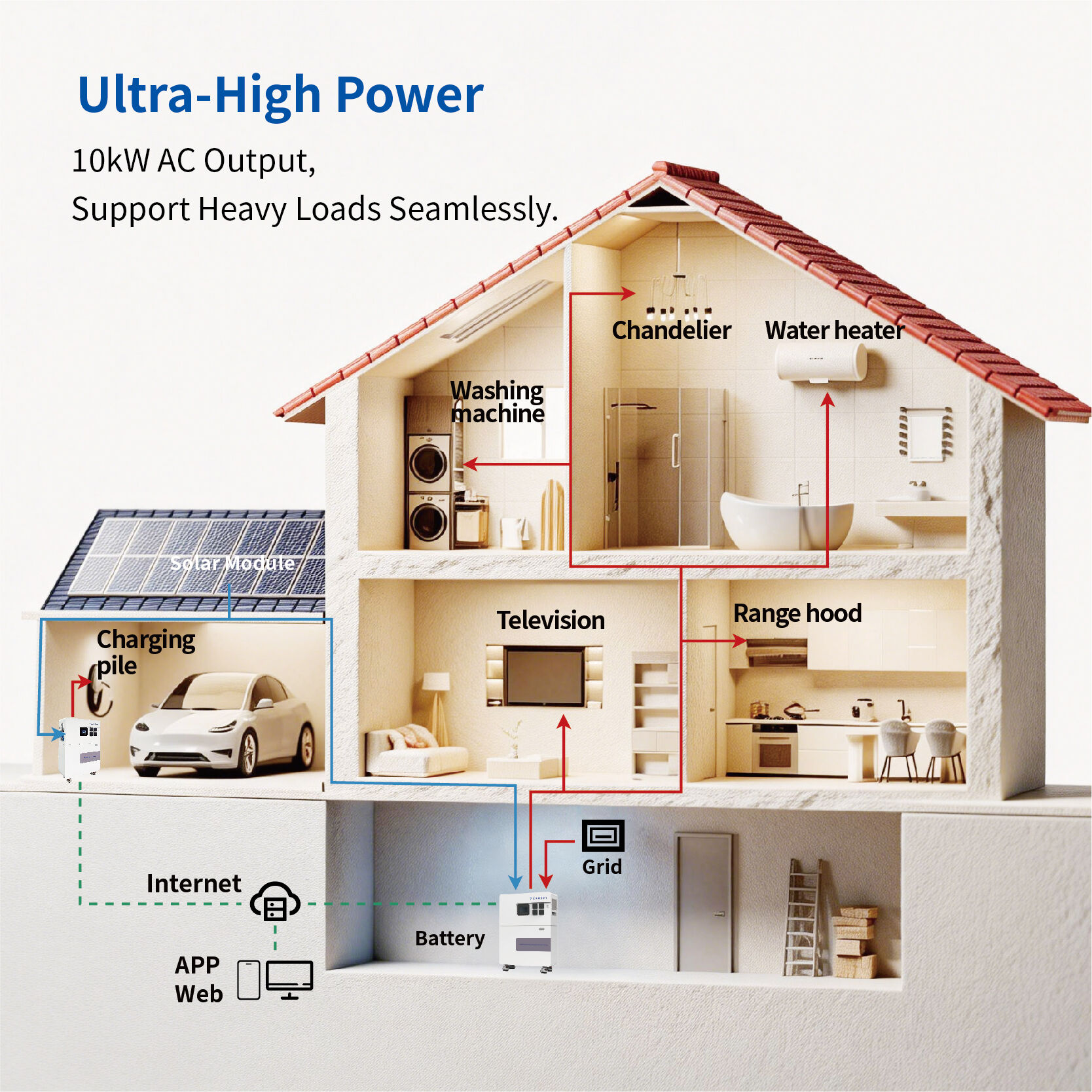
Modern homeowners face increasingly volatile electricity prices and growing concerns about grid reliability, driving the adoption of innovative energy solutions. A residential energy storage system offers a strategic approach to managing household energy consumption while significantly reducing monthly utility bills. These advanced battery systems store excess electricity during off-peak hours when rates are lower, then discharge that stored power during peak demand periods when utility companies charge premium rates. The financial benefits extend beyond simple time-shifting, encompassing demand charge reductions, grid independence, and protection against power outages that can damage expensive appliances and disrupt daily life.
Understanding Time-of-Use Rate Optimization
Peak and Off-Peak Pricing Dynamics
Utility companies implement time-of-use pricing structures that charge different rates depending on when electricity is consumed throughout the day. Peak hours typically occur during late afternoon and early evening when residential and commercial demand reaches maximum levels. During these periods, electricity rates can be two to three times higher than off-peak rates, which usually apply during overnight hours and midday periods when overall grid demand is lower. A residential energy storage system capitalizes on these pricing differentials by automatically charging during low-cost periods and discharging during expensive peak hours, effectively arbitraging the time-based pricing structure.
Automated Load Management
Advanced battery management systems integrate with smart home technology to optimize energy usage patterns without requiring manual intervention from homeowners. These intelligent systems monitor real-time electricity prices, weather forecasts, and household consumption patterns to determine optimal charging and discharging schedules. The residential energy storage system learns from historical usage data, adjusting its operation to maximize cost savings while ensuring sufficient backup power remains available for emergency situations. This automation eliminates the need for homeowners to manually manage their energy consumption, making the system both convenient and highly effective at reducing utility bills.
Demand Charge Reduction Strategies
Commercial and Residential Demand Billing
Many utility companies charge residential customers based on their peak demand during billing periods, not just total energy consumption. These demand charges can represent a significant portion of monthly electricity bills, particularly for homes with high-power appliances like electric vehicle chargers, pool pumps, or HVAC systems. A residential energy storage system can effectively reduce these charges by providing supplemental power during high-demand periods, preventing the electrical meter from registering excessive peak usage. This peak shaving capability can result in substantial monthly savings, especially for households with variable energy consumption patterns.
Smart Appliance Coordination
Modern residential energy storage system installations often include smart inverters and energy management controllers that can coordinate with major appliances to minimize simultaneous high-power draw events. When multiple appliances attempt to operate simultaneously, the battery system can supplement grid power to prevent demand spikes that trigger higher utility charges. This intelligent load balancing extends beyond simple time shifting, actively managing how and when different household systems consume electricity to maintain optimal efficiency and cost control throughout the day.
Solar Integration and Net Metering Benefits
Maximizing Solar Investment Returns
Homeowners with solar panel installations can dramatically increase their return on investment by pairing renewable generation with a residential energy storage system. Without battery storage, excess solar electricity is typically sold back to the utility company through net metering programs, often at rates significantly lower than retail electricity prices. Battery storage allows homeowners to capture and store their own solar production, using that clean energy during evening hours when solar panels are not generating power but household demand remains high. This self-consumption maximization can increase solar savings by 20-40% compared to solar-only installations.
Grid Export Optimization
Strategic management of solar exports through battery storage can optimize net metering benefits and avoid unfavorable rate structures that some utilities impose on solar customers. A residential energy storage system can store excess solar production instead of immediately exporting it to the grid, then discharge that stored energy during peak rate periods when the financial benefit is greatest. This approach helps homeowners maintain favorable net metering status while maximizing the economic value of their solar investment, particularly in regions where utilities are reducing compensation rates for exported solar electricity.
Emergency Backup Power Economics
Avoiding Outage-Related Costs
Power outages can result in significant hidden costs beyond the inconvenience of lost electricity, including spoiled food, damaged electronics, lost productivity, and potential security system failures. A residential energy storage system provides seamless backup power during grid outages, protecting valuable appliances and maintaining essential home functions. The economic value of this backup capability often justifies the battery investment, particularly in areas prone to severe weather events or grid instability. Insurance claims related to power outage damage can be eliminated, while the comfort and security of maintaining power during emergencies provides substantial intangible benefits.
Critical Load Management
Advanced residential energy storage system configurations allow homeowners to designate critical electrical circuits that receive priority power during outages, extending backup duration and ensuring essential systems remain operational. This selective backup approach maximizes the value of stored energy by focusing on the most important household functions rather than attempting to power entire homes during extended outages. Critical loads typically include refrigeration, lighting, communication systems, and security equipment, providing essential functionality while optimizing battery runtime and overall system economics.
Long-Term Financial Impact Analysis
Return on Investment Calculations
The financial benefits of a residential energy storage system compound over time as utility rates continue to increase and battery costs decline. Most high-quality battery systems provide 10-15 years of reliable operation with minimal maintenance requirements, generating consistent monthly savings throughout their operational lifetime. When combined with available tax incentives, utility rebates, and financing options, many homeowners achieve positive return on investment within 6-8 years of installation. The residential energy storage system continues generating savings well beyond the payback period, providing long-term protection against rising electricity costs and grid instability.
Property Value Enhancement
Real estate markets increasingly recognize the value of homes equipped with energy storage systems, particularly in areas with high electricity costs or frequent power outages. Studies indicate that residential energy storage system installations can increase property values by amounts comparable to or exceeding the original system cost. This added property value, combined with ongoing utility bill savings, creates a compelling financial case for battery storage adoption. Future homeowners appreciate the reduced operating costs and enhanced energy independence that these systems provide, making properties with storage systems more attractive in competitive real estate markets.
System Sizing and Configuration Optimization
Matching Storage Capacity to Usage Patterns
Proper sizing of a residential energy storage system is crucial for maximizing bill reduction benefits while avoiding over-investment in unnecessary capacity. Professional energy audits analyze historical electricity usage, time-of-use rate structures, and household consumption patterns to determine optimal battery capacity and power output specifications. Undersized systems may not capture all available savings opportunities, while oversized installations increase upfront costs without proportional benefits. The ideal residential energy storage system balances initial investment with expected savings, considering factors like local utility rates, solar generation potential, and backup power requirements.
Scalability and Expansion Options
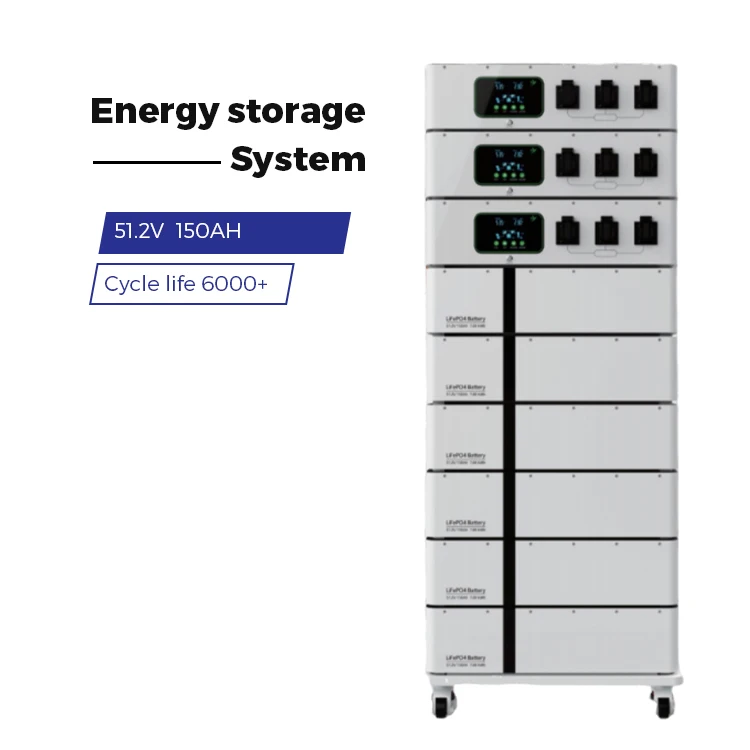
Many modern battery systems offer modular designs that allow homeowners to start with smaller installations and expand capacity as needs change or financial resources permit. This scalability ensures that initial residential energy storage system investments can grow with changing household requirements, whether due to electric vehicle adoption, home additions, or evolving utility rate structures. Modular expansion capability provides flexibility for homeowners who want to minimize upfront costs while maintaining options for future system enhancement as battery technology continues improving and costs decline.
Integration with Smart Home Technology
Internet of Things Connectivity
Contemporary residential energy storage system designs incorporate advanced connectivity features that enable integration with comprehensive smart home ecosystems. These systems can communicate with smart thermostats, electric vehicle chargers, pool equipment, and other high-power devices to coordinate energy usage and maximize cost savings. Real-time monitoring applications provide homeowners with detailed insights into their energy consumption patterns, battery performance, and cumulative savings, enabling informed decisions about energy usage and system optimization.
Predictive Analytics and Machine Learning
Artificial intelligence capabilities in modern battery management systems analyze weather forecasts, historical usage data, and utility rate schedules to predict optimal charging and discharging strategies. These predictive algorithms continuously improve their accuracy over time, learning from household patterns and external factors to maximize the financial benefits of the residential energy storage system. Machine learning optimization can identify subtle patterns in energy usage that humans might miss, automatically adjusting system operation to capture additional savings opportunities and improve overall performance.
Maintenance and Lifecycle Considerations
Minimal Maintenance Requirements
Modern lithium-ion battery systems require minimal ongoing maintenance compared to traditional backup power solutions like diesel generators or lead-acid battery banks. Most residential energy storage system installations operate autonomously for years with only periodic software updates and basic system monitoring. This low maintenance requirement ensures that ongoing operational costs remain minimal while the system continues generating consistent utility bill savings. Professional annual inspections can optimize performance and identify potential issues before they impact system reliability or financial benefits.
End-of-Life Value Recovery
Battery recycling programs and second-life applications for residential energy storage system components are creating additional value recovery opportunities at the end of the primary operational period. Even when batteries no longer meet the demanding requirements of daily cycling applications, they may retain sufficient capacity for less demanding uses like emergency backup systems or grid stabilization services. This emerging secondary market for used batteries helps offset replacement costs while supporting sustainable disposal practices and circular economy principles in the energy storage industry.
FAQ
How much can a residential energy storage system typically save on monthly electricity bills
Monthly savings from a residential energy storage system vary significantly based on local utility rates, household consumption patterns, and system sizing. Most homeowners see reductions of 20-50% on their electricity bills, with higher savings in areas with steep time-of-use rate differentials or expensive peak demand charges. Homes with solar panels often achieve even greater savings by maximizing self-consumption and avoiding unfavorable net metering rates. The exact savings depend on factors like battery capacity, local electricity prices, and how effectively the system is programmed to optimize usage patterns.
What is the typical payback period for a residential energy storage system investment
Payback periods for residential energy storage system installations typically range from 6-12 years, depending on local electricity costs, available incentives, and system configuration. Areas with high electricity rates and favorable time-of-use pricing see shorter payback periods, while regions with lower utility costs may experience longer return timelines. Federal tax credits, state rebates, and utility incentive programs can significantly reduce initial costs and accelerate payback periods. Systems paired with solar installations often achieve faster payback due to additional savings from increased self-consumption of renewable energy.
Can a residential energy storage system work during extended power outages
A properly configured residential energy storage system can provide backup power during outages, but runtime depends on battery capacity and connected loads. Most systems can power essential circuits for 12-24 hours during typical household usage, with longer duration possible when managing only critical loads like refrigeration and lighting. Systems paired with solar panels can potentially operate indefinitely during sunny conditions by recharging batteries during daylight hours. Professional installation includes load management planning to optimize backup duration and ensure the most important household functions remain operational during extended grid outages.
How does weather affect the performance and savings of a residential energy storage system
Weather conditions can impact residential energy storage system performance in several ways, particularly for installations paired with solar panels. Extreme temperatures can affect battery efficiency and lifespan, though quality systems include thermal management to maintain optimal operating conditions. Seasonal variations in energy usage patterns, such as increased air conditioning in summer or heating in winter, require system programming adjustments to maintain maximum savings. Cloud cover and seasonal sunlight variations affect solar charging for grid-tied systems, but the battery can still provide time-shifting benefits using grid electricity during favorable rate periods regardless of weather conditions.
Table of Contents
- Understanding Time-of-Use Rate Optimization
- Demand Charge Reduction Strategies
- Solar Integration and Net Metering Benefits
- Emergency Backup Power Economics
- Long-Term Financial Impact Analysis
- System Sizing and Configuration Optimization
- Integration with Smart Home Technology
- Maintenance and Lifecycle Considerations
-
FAQ
- How much can a residential energy storage system typically save on monthly electricity bills
- What is the typical payback period for a residential energy storage system investment
- Can a residential energy storage system work during extended power outages
- How does weather affect the performance and savings of a residential energy storage system