 EN
EN


The telecommunications industry faces unprecedented challenges in maintaining reliable network operations as demand for connectivity continues to surge. Critical infrastructure requires uninterrupted power supply to ensure seamless communication services, making telecom backup power solutions more essential than ever. Modern telecom facilities must balance efficiency, reliability, and scalability while addressing space constraints and operational costs. The evolution toward rack-mounted battery systems represents a significant shift in how telecommunications providers approach backup power infrastructure, offering enhanced performance and streamlined maintenance compared to traditional solutions.
Understanding Modern Telecom Backup Power Requirements
Critical Power Demands in Telecommunications
Telecommunications networks operate under strict reliability standards, requiring 99.99% uptime to meet service level agreements. Power outages can result in significant revenue losses, regulatory penalties, and damaged customer relationships. Telecom backup power systems must provide instantaneous switching capabilities to maintain continuous operations during grid failures. The increasing deployment of 5G infrastructure has further intensified power requirements, demanding more robust and efficient backup solutions.
Base stations, cell towers, and data centers form the backbone of modern telecommunication networks, each requiring specialized power protection strategies. Equipment sensitivity to voltage fluctuations necessitates clean, stable power delivery that traditional backup systems may struggle to provide consistently. Modern telecom facilities often operate multiple equipment types with varying power requirements, creating complex load management challenges that require sophisticated backup power solutions.
Evolving Infrastructure Challenges
Space optimization has become a critical factor in telecom facility design, particularly in urban environments where real estate costs are prohibitive. Legacy backup power systems often consume valuable floor space that could be utilized for revenue-generating equipment. The need for modular, scalable solutions has driven innovation in compact backup power technologies that maximize power density while minimizing physical footprint.
Environmental considerations also play an increasingly important role in telecom backup power selection. Regulations governing emissions, noise levels, and environmental impact influence technology choices for backup power systems. Energy efficiency mandates push telecommunications providers toward solutions that reduce operational costs while meeting stringent environmental compliance requirements.
Rack Mounted Battery Technology Advantages
Space Efficiency and Scalability
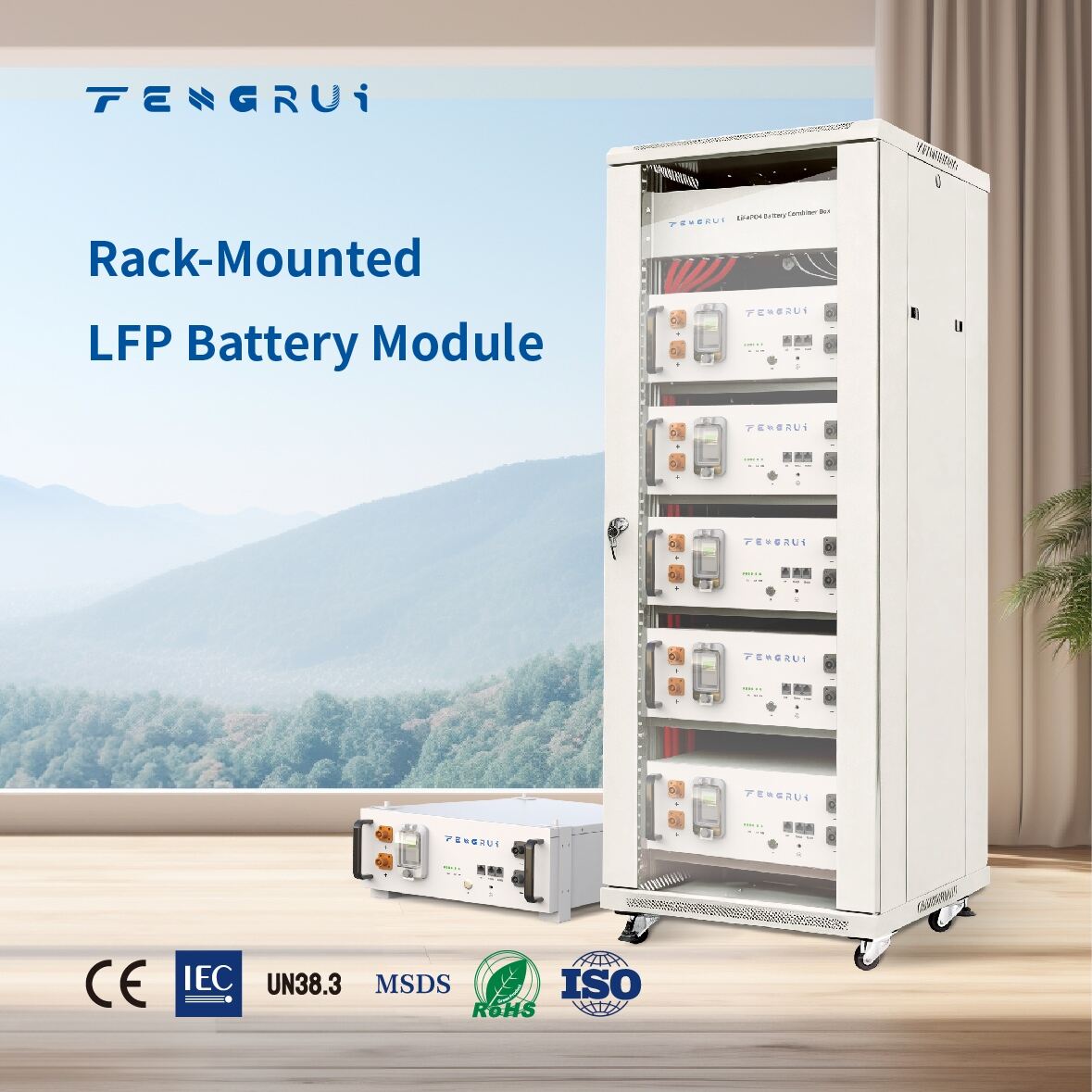
Rack-mounted battery systems revolutionize space utilization in telecommunications facilities by integrating seamlessly with existing rack infrastructure. Standard 19-inch rack mounting allows for efficient vertical scaling without requiring additional floor space allocation. This design approach enables telecommunications providers to expand backup power capacity incrementally as network demands grow, providing exceptional flexibility in capacity planning.
The modular nature of rack-mounted solutions facilitates precise capacity matching to actual load requirements, eliminating the oversizing common with traditional backup power systems. Individual battery modules can be added or replaced without disrupting overall system operation, ensuring continuous service availability during maintenance activities. This granular scalability approach optimizes capital expenditure by allowing phased capacity deployment aligned with business growth.
Enhanced Monitoring and Management
Advanced battery management systems integrated into rack-mounted solutions provide comprehensive monitoring capabilities that exceed traditional backup power systems. Real-time data on individual cell performance, temperature monitoring, and predictive maintenance alerts enable proactive system management. These sophisticated monitoring capabilities reduce the risk of unexpected failures and extend overall system lifespan through optimized operating conditions.
Remote monitoring capabilities allow telecommunications operators to manage multiple sites from centralized control centers, reducing operational overhead and improving response times. Integration with existing network management systems provides unified visibility across power and communication infrastructure. Automated alert systems enable rapid response to potential issues before they impact network operations, significantly improving overall system reliability.
Technical Performance Comparison
Lithium Iron Phosphate Battery Benefits
Lithium iron phosphate technology offers superior performance characteristics compared to traditional lead-acid batteries commonly used in telecom backup power applications. Extended cycle life exceeding 6000 cycles provides exceptional longevity, reducing replacement frequency and associated maintenance costs. The stable chemistry of lithium iron phosphate ensures consistent performance across wide temperature ranges, critical for outdoor telecom installations.
Rapid charging capabilities enable faster recovery times following power outages, ensuring maximum backup capacity availability. Higher energy density allows for compact installations while delivering equivalent or superior backup duration compared to larger traditional systems. The absence of memory effects and minimal self-discharge characteristics maintain readiness for extended periods without regular maintenance cycling.
Power Delivery Characteristics
Rack-mounted battery systems deliver clean, stable power output essential for sensitive telecommunications equipment operation. Integrated inverter technology provides precise voltage regulation and frequency stability, protecting downstream equipment from power quality issues. The ability to handle high surge currents accommodates equipment startup requirements without compromising system stability or longevity.
Advanced power conversion technology minimizes harmonic distortion and ensures compatibility with modern telecommunications equipment. Parallel operation capabilities allow for redundant system configurations that eliminate single points of failure in critical applications. Load balancing features optimize individual battery utilization, extending overall system lifespan while maintaining consistent performance across all operating conditions.
Installation and Maintenance Considerations
Simplified Installation Process
Rack-mounted battery systems significantly reduce installation complexity compared to traditional telecom backup power solutions. Standard mounting hardware and connection interfaces minimize installation time and reduce labor costs. Pre-configured systems arrive ready for immediate deployment, eliminating extensive on-site assembly and configuration requirements that characterize traditional backup power installations.
Integrated cable management and standardized connections reduce installation errors and improve overall system reliability. The compact form factor allows installation in existing equipment racks without facility modifications, minimizing deployment disruption. Hot-swappable components enable installation and replacement activities without system shutdown, ensuring continuous operation during maintenance activities.
Reduced Maintenance Requirements
Maintenance requirements for rack-mounted battery systems are substantially reduced compared to traditional backup power technologies. Sealed battery construction eliminates the need for regular electrolyte maintenance and ventilation system monitoring. Predictive maintenance capabilities identify potential issues before they require corrective action, optimizing maintenance scheduling and resource allocation.
Modular replacement capabilities allow for component-level maintenance without system-wide shutdowns. Individual battery modules can be tested, replaced, or upgraded independently, minimizing service disruption and maintenance costs. Automated diagnostic systems provide continuous health monitoring, alerting operators to conditions requiring attention while maintaining detailed maintenance history records for compliance and warranty purposes.
Economic Impact and Return on Investment
Total Cost of Ownership Analysis
The economic advantages of rack-mounted battery systems extend beyond initial purchase price to encompass total cost of ownership over the system lifecycle. Reduced space requirements translate to lower facility costs, particularly significant in expensive urban real estate markets. Extended battery lifespan and reduced maintenance requirements substantially lower operational expenses compared to traditional telecom backup power solutions.
Energy efficiency improvements reduce operational electricity costs while improving environmental sustainability metrics. Higher charge and discharge efficiency minimizes energy waste during normal operation and backup cycles. The ability to operate at partial loads with maintained efficiency provides cost savings during periods of reduced power demand, optimizing operational expenses across varying load conditions.
Business Continuity Benefits
Improved reliability directly translates to reduced revenue loss from service interruptions and enhanced customer satisfaction. The ability to maintain service during extended outages protects market position and regulatory compliance. Faster restoration times following power events minimize customer impact and reduce compensation requirements mandated by telecommunications regulations.
Scalability benefits allow telecommunications providers to defer capital investments while maintaining service quality during network expansion. The modular approach enables precise capacity matching to actual requirements, avoiding the capital inefficiency of oversized traditional systems. This financial flexibility provides competitive advantages in rapidly evolving telecommunications markets where capital allocation efficiency directly impacts profitability.
Future Trends and Technology Evolution
Integration with Renewable Energy
The convergence of telecom backup power systems with renewable energy sources represents a significant trend in sustainable telecommunications infrastructure. Solar and wind energy integration with rack-mounted battery systems creates hybrid power solutions that reduce operational costs while improving environmental sustainability. Advanced energy management systems optimize the utilization of renewable sources while maintaining backup power readiness.
Grid stabilization services enabled by intelligent battery systems provide additional revenue opportunities for telecommunications providers. Peak shaving and load balancing capabilities reduce demand charges while providing grid support services. These value-added services transform backup power systems from cost centers into revenue-generating assets that improve overall business economics.
Smart Grid Integration
Future telecom backup power systems will play integral roles in smart grid operations, providing distributed energy resources that enhance grid stability and efficiency. Bi-directional power flow capabilities enable telecommunications facilities to support grid operations during peak demand periods. Advanced communication protocols allow real-time coordination with grid operators, optimizing energy utilization across the entire power ecosystem.
Vehicle-to-grid integration potential positions telecommunications facilities as key nodes in electric vehicle charging infrastructure. The substantial backup power capacity available at telecom sites can support transportation electrification while generating additional revenue streams. This convergence of telecommunications and energy infrastructure creates new business opportunities while improving overall resource utilization efficiency.
Implementation Strategy and Best Practices
Site Assessment and Planning
Successful implementation of rack-mounted battery systems requires comprehensive site assessment to optimize system design and performance. Load analysis must account for current requirements as well as projected growth to ensure adequate capacity without excessive oversizing. Environmental factors including temperature ranges, humidity levels, and ventilation capabilities influence system specifications and installation requirements.
Integration planning must consider existing infrastructure compatibility and potential upgrade requirements. Network monitoring system integration ensures unified management across power and communications infrastructure. Compliance with local codes and regulations requires careful attention to installation standards and safety requirements specific to telecommunications facilities.
Training and Support Requirements
Personnel training programs ensure proper operation and maintenance of rack-mounted battery systems throughout their operational lifespan. Technical training covers system operation, monitoring procedures, and basic troubleshooting techniques. Safety training addresses unique considerations associated with lithium battery technology and high-voltage electrical systems.
Vendor support programs provide ongoing technical assistance and system optimization services. Regular system health assessments identify optimization opportunities and potential issues before they impact operations. Comprehensive documentation and training materials ensure knowledge transfer and consistent operational procedures across multiple facilities and personnel changes.
FAQ
How do rack-mounted batteries compare to traditional UPS systems for telecom applications?
Rack-mounted batteries offer superior space efficiency, longer lifespan, and reduced maintenance requirements compared to traditional UPS systems. They provide equivalent backup duration in significantly less space while offering modular scalability that traditional systems cannot match. The lithium iron phosphate technology used in modern rack-mounted systems delivers 3-5 times longer cycle life than lead-acid batteries typically found in traditional UPS systems, resulting in lower total cost of ownership over the system lifecycle.
What are the safety considerations when implementing lithium battery systems in telecom facilities?
Lithium iron phosphate batteries used in telecom backup power applications are inherently safer than other lithium chemistries due to their stable thermal characteristics and resistance to thermal runaway. Integrated battery management systems provide multiple layers of protection including overvoltage, undervoltage, overcurrent, and temperature monitoring. Proper installation following manufacturer guidelines and local electrical codes ensures safe operation, while staff training on lithium battery-specific safety procedures minimizes operational risks.
How long can rack-mounted battery systems support typical telecom equipment during power outages?
Backup duration depends on system capacity and connected load, but properly sized rack-mounted systems typically provide 4-8 hours of backup power for standard telecom equipment loads. The modular design allows for precise capacity matching to specific backup duration requirements, whether that's 2 hours for basic compliance or 24+ hours for critical installations. Advanced load management features can extend backup duration by automatically shutting down non-critical equipment during extended outages while maintaining essential communications services.
What maintenance is required for rack-mounted telecom backup power systems?
Rack-mounted battery systems require significantly less maintenance than traditional backup power solutions. Monthly visual inspections, quarterly performance tests, and annual comprehensive system evaluations are typically sufficient for most installations. The sealed battery design eliminates electrolyte maintenance, while integrated monitoring systems provide continuous health assessment and predictive maintenance alerts. Most maintenance activities can be performed without system shutdown, ensuring continuous backup power availability during service activities.
Table of Contents
- Understanding Modern Telecom Backup Power Requirements
- Rack Mounted Battery Technology Advantages
- Technical Performance Comparison
- Installation and Maintenance Considerations
- Economic Impact and Return on Investment
- Future Trends and Technology Evolution
- Implementation Strategy and Best Practices
-
FAQ
- How do rack-mounted batteries compare to traditional UPS systems for telecom applications?
- What are the safety considerations when implementing lithium battery systems in telecom facilities?
- How long can rack-mounted battery systems support typical telecom equipment during power outages?
- What maintenance is required for rack-mounted telecom backup power systems?