 EN
EN


The International Renewable Energy Exhibition in Italy represents a pivotal gathering for professionals, innovators, and industry leaders committed to advancing sustainable energy technologies. This prestigious event showcases cutting-edge developments in renewable energy infrastructure, with particular emphasis on residential and commercial applications. Among the most significant innovations on display are advanced home energy storage solutions that are revolutionizing how households manage their energy consumption and independence. The exhibition serves as a crucial platform for networking, knowledge sharing, and discovering the latest technological breakthroughs that will shape the future of clean energy adoption across Europe and beyond.
Transformative Technologies Showcased at the Exhibition
Advanced Battery Storage Systems
The exhibition floor buzzes with demonstrations of next-generation battery technologies that form the backbone of modern home energy storage solutions. Lithium iron phosphate (LiFePO4) batteries have emerged as the gold standard, offering superior safety profiles, extended lifecycles, and exceptional thermal stability compared to traditional lithium-ion alternatives. These advanced systems typically deliver 6,000 to 10,000 charge cycles while maintaining over 80% capacity retention, making them ideal for residential applications where longevity and reliability are paramount.
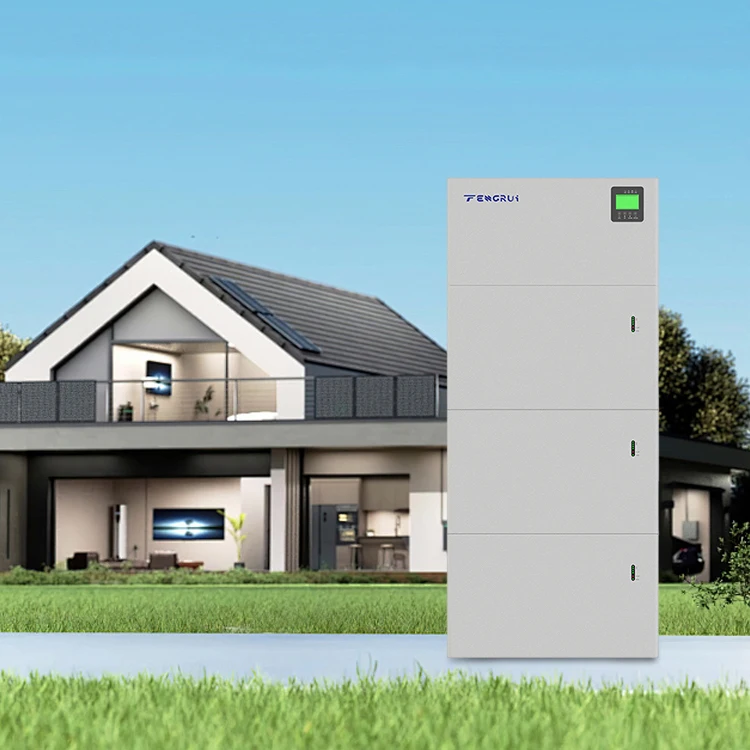
Manufacturers are showcasing modular designs that allow homeowners to scale their energy storage capacity according to their specific needs and budget constraints. The stackable configurations enable seamless expansion from basic 5.12kWh units to comprehensive 15.36kWh systems, providing flexibility that traditional fixed-capacity solutions cannot match. These innovations represent a significant leap forward in making renewable energy storage accessible to a broader range of consumers.
Smart Energy Management Integration
Modern home energy storage solutions incorporate sophisticated energy management systems that optimize power distribution based on real-time consumption patterns and grid conditions. These intelligent controllers can automatically switch between grid power, solar generation, and battery storage to minimize electricity costs while ensuring uninterrupted power supply. The integration of artificial intelligence algorithms enables predictive maintenance, load forecasting, and adaptive charging strategies that maximize system efficiency.
The exhibition features live demonstrations of mobile applications that provide homeowners with comprehensive control over their energy systems. Users can monitor energy production, consumption, and storage levels remotely, receive maintenance alerts, and configure automated routines that align with time-of-use electricity rates. This level of connectivity and control represents a fundamental shift toward truly smart homes powered by renewable energy.
Market Trends and Industry Insights
European Regulatory Landscape
Italy's commitment to renewable energy transition has created a favorable regulatory environment that accelerates the adoption of home energy storage solutions across the region. The Italian government's Superbonus 110% incentive program, which provides substantial tax credits for energy efficiency improvements, has significantly boosted demand for residential storage systems. Similar programs across Europe are driving unprecedented growth in the sector, with market analysts projecting compound annual growth rates exceeding 20% through 2030.
Exhibition attendees gain valuable insights into navigating complex regulatory frameworks, understanding interconnection requirements, and maximizing available incentives. Industry experts present comprehensive guides to compliance standards, safety certifications, and installation protocols that ensure successful project implementation. These regulatory discussions are crucial for installers, distributors, and end-users seeking to capitalize on favorable policy environments.
Cost Optimization and Economic Viability
The economic case for home energy storage solutions has strengthened considerably as battery costs continue declining while electricity rates rise across European markets. Exhibition presentations demonstrate how strategic energy storage deployment can reduce household electricity bills by 60-80% when combined with solar photovoltaic systems. The payback periods for comprehensive home energy storage solutions have shortened to 6-8 years in most European markets, making them increasingly attractive investments for environmentally conscious homeowners.
Financial modeling workshops at the exhibition help attendees understand the various revenue streams available to storage system owners, including grid services participation, peak shaving, and emergency backup capabilities. These additional value propositions significantly improve the overall return on investment while contributing to grid stability and resilience. The ability to participate in virtual power plant programs further enhances the economic benefits of residential storage systems.
Technical Innovation and Performance Advantages
Enhanced Safety Features
Safety remains paramount in the design and implementation of home energy storage solutions, with manufacturers showcasing advanced protection systems that exceed international standards. Modern battery management systems incorporate multiple layers of protection, including overcharge prevention, thermal runaway mitigation, and short-circuit detection. The exhibition features live safety demonstrations that highlight the inherent stability of LiFePO4 chemistry compared to other lithium-ion alternatives.
Fire suppression systems, impact-resistant enclosures, and weatherproof designs ensure that home energy storage solutions can operate safely in various environmental conditions. Advanced monitoring systems provide real-time diagnostics that detect potential issues before they become safety concerns, enabling proactive maintenance and system optimization. These comprehensive safety features have been instrumental in gaining regulatory approval and consumer confidence across European markets.
Efficiency and Performance Metrics
Contemporary home energy storage solutions achieve remarkable efficiency levels, with round-trip efficiencies exceeding 95% in optimal conditions. This means that very little energy is lost during the charge-discharge cycle, maximizing the value of stored renewable energy. The exhibition showcases performance data from real-world installations, demonstrating consistent efficiency levels across various climate conditions and usage patterns.
Advanced power electronics enable rapid response times that support grid stability services while providing seamless backup power during outages. Modern inverters can switch from grid-connected to islanded operation in less than 20 milliseconds, ensuring that sensitive electronic equipment remains unaffected by power disruptions. These performance characteristics make home energy storage solutions invaluable for both daily energy optimization and emergency preparedness.
Installation and Maintenance Considerations
Streamlined Installation Processes
The exhibition highlights significant advances in installation methodologies that have simplified the deployment of home energy storage solutions. Modular designs and standardized components enable certified installers to complete typical residential installations in a single day, minimizing disruption to homeowners. Pre-configured systems arrive with factory-tested components and comprehensive installation documentation that streamlines the commissioning process.
Training programs available at the exhibition ensure that installers understand proper safety procedures, electrical connections, and system configuration requirements. Manufacturers provide comprehensive technical support, including remote diagnostics capabilities that can troubleshoot issues without requiring on-site visits. This level of support reduces installation costs and ensures optimal system performance from day one.
Long-term Maintenance and Support
Modern home energy storage solutions require minimal maintenance while providing decades of reliable service. The exhibition showcases predictive maintenance technologies that monitor system health continuously, identifying potential issues before they impact performance. Automated diagnostics can detect cell degradation, connection problems, and environmental factors that might affect system longevity.
Comprehensive warranty programs offered by leading manufacturers provide peace of mind for homeowners investing in energy storage technology. Many systems include 10-15 year product warranties with performance guarantees that ensure minimum capacity retention throughout the warranty period. Remote monitoring capabilities enable manufacturers to provide proactive support, optimizing system settings based on actual usage patterns and environmental conditions.
Future Developments and Industry Outlook
Emerging Technologies and Innovation
The exhibition provides glimpses into next-generation technologies that will further enhance home energy storage solutions in coming years. Solid-state battery development promises even higher energy densities and improved safety characteristics, while advanced materials research continues to reduce costs and extend system lifecycles. Integration with vehicle-to-grid technologies will enable electric vehicles to serve as mobile energy storage units, expanding the flexibility and capacity of residential energy systems.
Artificial intelligence and machine learning applications are becoming increasingly sophisticated, enabling home energy storage solutions to optimize performance based on weather forecasts, electricity pricing, and household usage patterns. These smart systems can participate in demand response programs automatically, providing additional revenue streams while supporting grid stability. The convergence of storage, solar, and smart home technologies creates unprecedented opportunities for energy independence and cost savings.
Market Expansion and Growth Projections
Industry analysts present compelling growth projections for the home energy storage solutions market, with European installations expected to increase exponentially over the next decade. Declining battery costs, supportive policies, and growing environmental awareness are driving unprecedented demand across residential segments. The exhibition serves as a catalyst for business partnerships, distribution agreements, and technology transfer initiatives that will accelerate market development.
Emerging markets within Europe present significant opportunities for early movers in the home energy storage solutions space. Countries implementing feed-in tariff reforms and net metering policies create favorable conditions for storage deployment, while growing concerns about grid reliability drive demand for backup power capabilities. The international nature of the exhibition facilitates knowledge sharing and collaboration that benefits the entire renewable energy ecosystem.
FAQ
What are the primary benefits of installing home energy storage solutions
Home energy storage solutions provide multiple benefits including reduced electricity bills through peak shaving and load shifting, enhanced energy independence from grid outages, and the ability to maximize solar energy utilization. These systems enable homeowners to store excess renewable energy during low-cost periods and use it during peak pricing times, potentially reducing electricity costs by 60-80%. Additionally, they provide reliable backup power during outages and can participate in grid services programs for additional revenue generation.
How long do modern home energy storage solutions typically last
Contemporary home energy storage solutions using LiFePO4 technology typically last 15-20 years with proper maintenance and optimal usage patterns. These systems are designed for 6,000 to 10,000 charge cycles while maintaining over 80% capacity retention, which translates to decades of reliable service for most residential applications. Many manufacturers provide comprehensive warranties of 10-15 years that guarantee minimum performance levels throughout the warranty period, providing long-term value and peace of mind for homeowners.
What installation requirements must be considered for home energy storage solutions
Installation of home energy storage solutions requires adequate space for equipment placement, proper electrical connections to the home's main panel, and compliance with local building codes and utility interconnection standards. Most systems require a dedicated 240V circuit and appropriate ventilation for optimal operation. Professional installation by certified technicians is essential to ensure safety, compliance, and optimal performance. The installation process typically takes one day for standard residential applications when performed by experienced installers.
How do home energy storage solutions integrate with existing solar panel systems
Home energy storage solutions can seamlessly integrate with new or existing solar panel systems through DC or AC coupling configurations. DC-coupled systems connect directly to solar panels through a hybrid inverter, maximizing efficiency by avoiding multiple power conversions. AC-coupled systems connect to the home's electrical system after the solar inverter, providing greater flexibility and easier retrofitting to existing solar installations. Both configurations enable optimal energy harvesting, storage, and utilization while maintaining grid connectivity and backup power capabilities.
Table of Contents
- Transformative Technologies Showcased at the Exhibition
- Market Trends and Industry Insights
- Technical Innovation and Performance Advantages
- Installation and Maintenance Considerations
- Future Developments and Industry Outlook
-
FAQ
- What are the primary benefits of installing home energy storage solutions
- How long do modern home energy storage solutions typically last
- What installation requirements must be considered for home energy storage solutions
- How do home energy storage solutions integrate with existing solar panel systems