 EN
EN

The rapid expansion of global industries and the increasing electrification of various sectors have created unprecedented challenges for electricity infrastructure. As businesses scale operations and new technologies emerge, the demand for reliable power solutions continues to surge. Organizations across manufacturing, data centers, renewable energy, and commercial facilities are seeking innovative approaches to manage their growing electrical requirements efficiently. The integration of advanced energy storage systems has become critical for maintaining operational continuity while optimizing energy costs and ensuring grid stability during peak demand periods.
Understanding the Rising Electricity Demand Challenge
Industrial Growth and Electrification Trends
Modern industries are experiencing exponential growth in electricity consumption due to automation, digitalization, and the shift toward electric-powered equipment. Manufacturing facilities now require consistent high-voltage power for robotics, precision machinery, and climate control systems. The semiconductor industry alone has increased its energy requirements by over 40% in recent years, while data processing centers consume approximately 1% of global electricity production. Electric vehicle manufacturing plants demand substantial power for battery production lines and testing facilities.
The transition from fossil fuel-based operations to electric alternatives has accelerated across multiple sectors. Steel production, chemical processing, and food manufacturing industries are adopting electric furnaces and heating systems to reduce carbon emissions. This electrification trend requires robust power infrastructure capable of handling variable loads and maintaining consistent supply quality. Energy storage solutions have become essential components for managing these dynamic power requirements effectively.
Peak Demand Management Issues
Peak electricity demand periods create significant challenges for both utility providers and industrial consumers. During high-demand hours, electricity costs can increase by 300% or more, severely impacting operational budgets. Manufacturing facilities often experience production delays when grid capacity becomes insufficient during peak periods. Critical operations requiring uninterrupted power supply face potential shutdowns that can result in millions of dollars in losses and compromised safety systems.
Commercial buildings housing multiple tenants struggle with coordinating energy usage across different operational schedules. Office complexes, shopping centers, and mixed-use developments must balance HVAC systems, lighting, elevator operations, and tenant-specific equipment loads. The inability to effectively manage peak demand often leads to expensive utility penalties and reduced operational efficiency. Strategic implementation of energy storage systems enables organizations to shift power consumption away from peak hours and maintain consistent service levels.
Strategic Energy Storage Solutions for Industrial Applications
Advanced Battery Technology Integration
Modern energy storage systems utilize cutting-edge lithium-ion battery technology to provide reliable, high-capacity power solutions for industrial environments. These systems offer superior energy density, longer lifespan, and faster charging capabilities compared to traditional lead-acid alternatives. Advanced battery management systems monitor cell performance, temperature variations, and charge states to optimize efficiency and prevent potential safety issues. The integration of sophisticated control algorithms ensures optimal power distribution across multiple load requirements.
Industrial-grade battery systems incorporate multiple safety features including thermal runaway protection, overcurrent safeguards, and emergency shutdown capabilities. Modular design approaches allow facilities to scale storage capacity based on specific operational requirements and future expansion plans. The commercial industrial liquid cooling ESS cabinet represents the latest advancement in thermal management technology for high-power applications. These systems maintain optimal operating temperatures even under extreme load conditions, ensuring consistent performance and extended equipment lifespan.
Liquid Cooling Technology Benefits
Liquid cooling systems provide superior thermal management for high-density energy storage applications compared to traditional air-cooling methods. The enhanced heat dissipation capabilities enable higher power output while maintaining optimal battery operating temperatures. This technology allows energy storage systems to operate at peak efficiency for extended periods without performance degradation. Liquid cooling also reduces noise levels significantly, making these systems suitable for installation in noise-sensitive environments such as hospitals and research facilities.
The precision temperature control offered by liquid cooling systems extends battery lifespan by preventing thermal stress and maintaining consistent cell chemistry. Advanced coolant circulation systems distribute heat evenly throughout the battery pack, eliminating hot spots that can cause premature aging. This technology enables commercial industrial liquid cooling ESS cabinet installations to achieve over 6,000 charge cycles while maintaining 80% capacity retention. The improved thermal management also allows for more compact system designs, reducing installation footprint and associated infrastructure costs.
Implementation Strategies for Industrial Facilities
Capacity Planning and Load Analysis
Successful energy storage implementation begins with comprehensive analysis of facility power consumption patterns and future growth projections. Engineering teams must evaluate historical usage data, peak demand periods, and seasonal variations to determine optimal storage capacity requirements. Load profiling involves monitoring individual equipment power draws, identifying inefficiencies, and establishing priority levels for critical versus non-essential systems. This analysis enables facilities to size energy storage systems appropriately while maximizing return on investment.
Advanced metering infrastructure provides real-time visibility into power consumption across different facility zones and equipment categories. Smart monitoring systems collect data on voltage fluctuations, power quality metrics, and harmonic distortion levels that can impact sensitive equipment performance. The integration of predictive analytics helps facilities anticipate future power requirements based on production schedules, weather patterns, and operational changes. Commercial industrial liquid cooling ESS cabinet systems can be configured with intelligent load management capabilities that automatically adjust power distribution based on real-time demand conditions.
Integration with Existing Infrastructure
Energy storage system integration requires careful coordination with existing electrical infrastructure including transformers, switchgear, and protection systems. Professional installation teams must ensure proper grounding, circuit protection, and compliance with local electrical codes and safety standards. The integration process involves configuring communication protocols between storage systems and facility management platforms for seamless operation. Proper system commissioning includes comprehensive testing of all safety features, backup power capabilities, and automated switching functions.
Retrofitting existing facilities with energy storage technology often requires upgrading electrical panels, installing additional monitoring equipment, and modifying control systems. The installation of commercial industrial liquid cooling ESS cabinet units requires adequate ventilation, structural support, and emergency access provisions. Coordination with utility providers ensures proper interconnection procedures and compliance with grid codes for systems that provide grid services. Professional project management ensures minimal disruption to ongoing operations during the installation and commissioning phases.
Economic Benefits and Return on Investment
Peak Demand Charge Reduction
Energy storage systems enable significant cost savings by reducing peak demand charges that can account for 30-70% of industrial electricity bills. Strategic discharge during high-demand periods allows facilities to maintain lower maximum power draws from the grid, resulting in substantial monthly savings. Advanced control algorithms automatically monitor grid conditions and facility loads to optimize discharge timing for maximum economic benefit. The ability to predict and mitigate peak demand events provides predictable cost savings that improve budget planning accuracy.
Time-of-use optimization allows facilities to charge energy storage systems during low-cost periods and discharge during expensive peak hours. This arbitrage opportunity can reduce electricity costs by 20-40% in markets with significant time-based rate differentials. Commercial industrial liquid cooling ESS cabinet systems provide the reliability and capacity needed for sustained peak shaving operations across multiple daily cycles. The enhanced efficiency and longevity of liquid-cooled systems ensure consistent performance that maintains economic benefits over extended operational periods.
Operational Continuity and Productivity
Reliable backup power capabilities provided by energy storage systems prevent costly production interruptions caused by grid outages or voltage fluctuations. Manufacturing facilities can maintain critical processes during utility disruptions, avoiding spoiled materials, equipment damage, and missed delivery deadlines. The rapid response time of battery storage systems provides seamless power transition that prevents sensitive equipment shutdowns and data loss. This operational resilience translates into improved customer satisfaction, reduced insurance costs, and enhanced competitive positioning.
Energy storage systems also improve power quality by providing voltage regulation, frequency stabilization, and harmonic filtering capabilities. These benefits protect sensitive electronic equipment from power disturbances that can cause premature failure or performance degradation. The enhanced power quality reduces maintenance costs, extends equipment lifespan, and improves overall system reliability. Commercial industrial liquid cooling ESS cabinet installations provide consistent power quality even under varying load conditions, ensuring optimal performance of precision manufacturing equipment and computer systems.
Future-Proofing Energy Infrastructure
Scalability and Expansion Capabilities
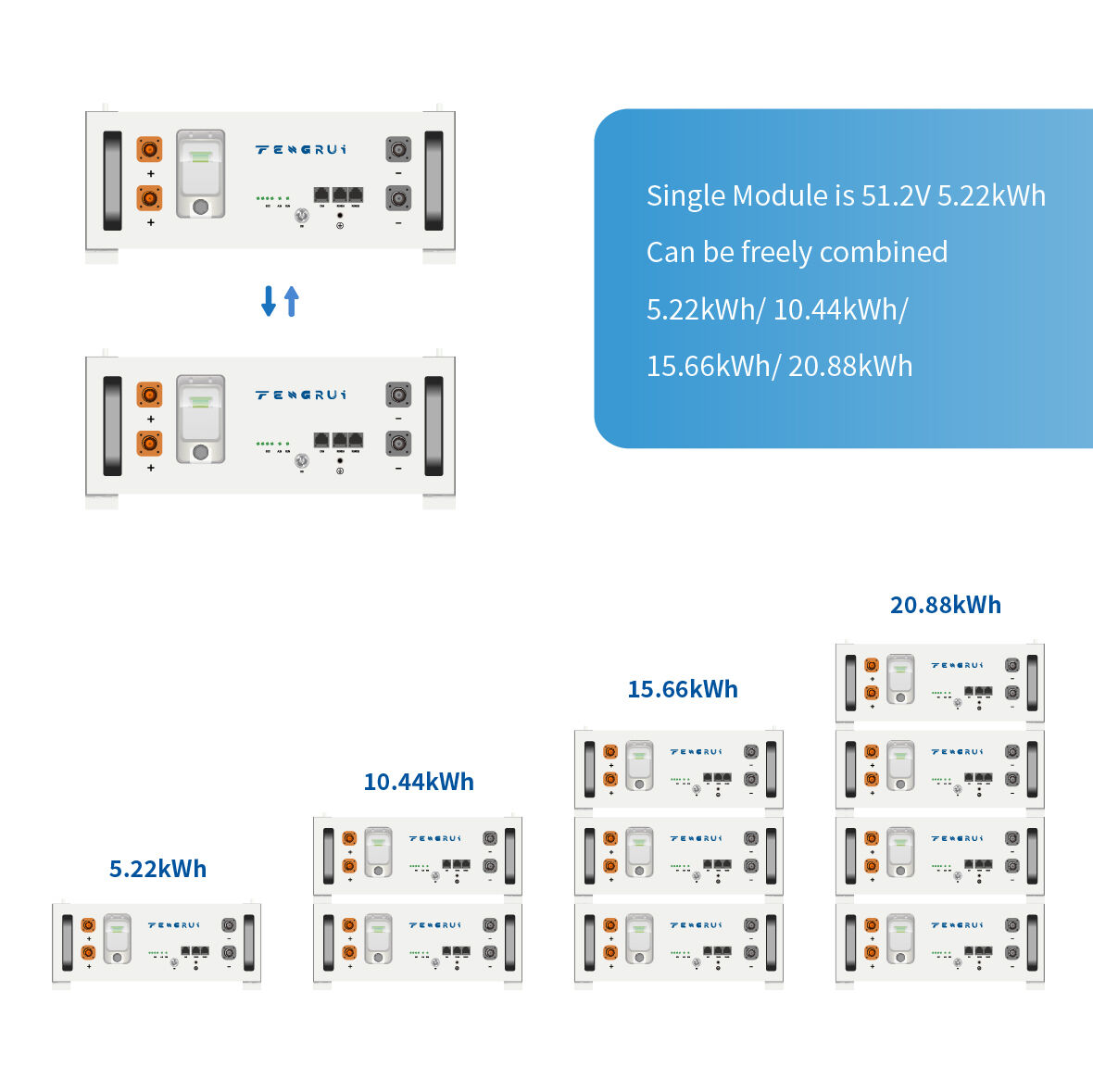
Modern energy storage systems are designed with modular architectures that allow for seamless capacity expansion as facility requirements grow. This scalability enables organizations to make initial investments that align with current needs while maintaining flexibility for future upgrades. Standardized connection interfaces and communication protocols ensure compatibility between different system generations and manufacturers. The ability to add storage capacity incrementally reduces upfront capital requirements and allows for technology improvements over time.
Intelligent system management platforms provide centralized control and monitoring capabilities that can accommodate multiple energy storage units across different facility locations. Cloud-based analytics enable remote system optimization, predictive maintenance scheduling, and performance benchmarking across entire facility portfolios. Commercial industrial liquid cooling ESS cabinet systems integrate seamlessly with building management systems and enterprise resource planning platforms for comprehensive facility optimization. The advanced monitoring capabilities provide detailed performance data that supports continuous improvement initiatives and regulatory reporting requirements.
Grid Services and Revenue Opportunities
Energy storage systems can participate in grid services markets to generate additional revenue streams while supporting grid stability. Frequency regulation services provide compensation for maintaining grid frequency within acceptable ranges through rapid charge and discharge cycles. Capacity markets offer payments for providing backup power during peak demand events or emergency conditions. These revenue opportunities can significantly improve the economic case for energy storage investments while contributing to overall grid reliability.
Virtual power plant participation allows multiple energy storage installations to be aggregated and controlled as a single resource for grid services. This approach maximizes revenue potential while reducing individual system operational complexity. Commercial industrial liquid cooling ESS cabinet systems provide the reliability and response characteristics required for demanding grid service applications. The enhanced thermal management ensures consistent performance during frequent cycling operations that are typical of grid service markets.
FAQ
What factors should be considered when sizing an energy storage system for industrial applications
Proper sizing requires analysis of historical power consumption data, peak demand patterns, critical load requirements, and future expansion plans. Consider the duration of backup power needed, charging time constraints, available installation space, and budget parameters. Environmental factors such as temperature ranges, humidity levels, and ventilation requirements also impact system selection. Professional energy audits help identify optimal capacity and configuration for specific facility requirements while ensuring compliance with safety codes and utility interconnection standards.
How does liquid cooling technology improve energy storage system performance
Liquid cooling provides superior heat dissipation compared to air cooling, enabling higher power output and extended operational periods without performance degradation. The precise temperature control prevents thermal stress on battery cells, extending system lifespan and maintaining capacity retention. Commercial industrial liquid cooling ESS cabinet systems operate more quietly and require less installation space due to compact design enabled by efficient thermal management. The consistent operating temperatures also improve safety margins and reduce the risk of thermal runaway events.
What maintenance requirements are associated with industrial energy storage systems
Regular maintenance includes monitoring battery performance metrics, inspecting electrical connections, testing safety systems, and updating control software. Liquid cooling systems require periodic coolant level checks, pump inspection, and heat exchanger cleaning. Commercial industrial liquid cooling ESS cabinet units typically feature remote monitoring capabilities that provide early warning of potential issues and enable predictive maintenance scheduling. Professional service contracts ensure proper maintenance procedures and warranty compliance while minimizing operational disruption.
How can energy storage systems integrate with renewable energy sources
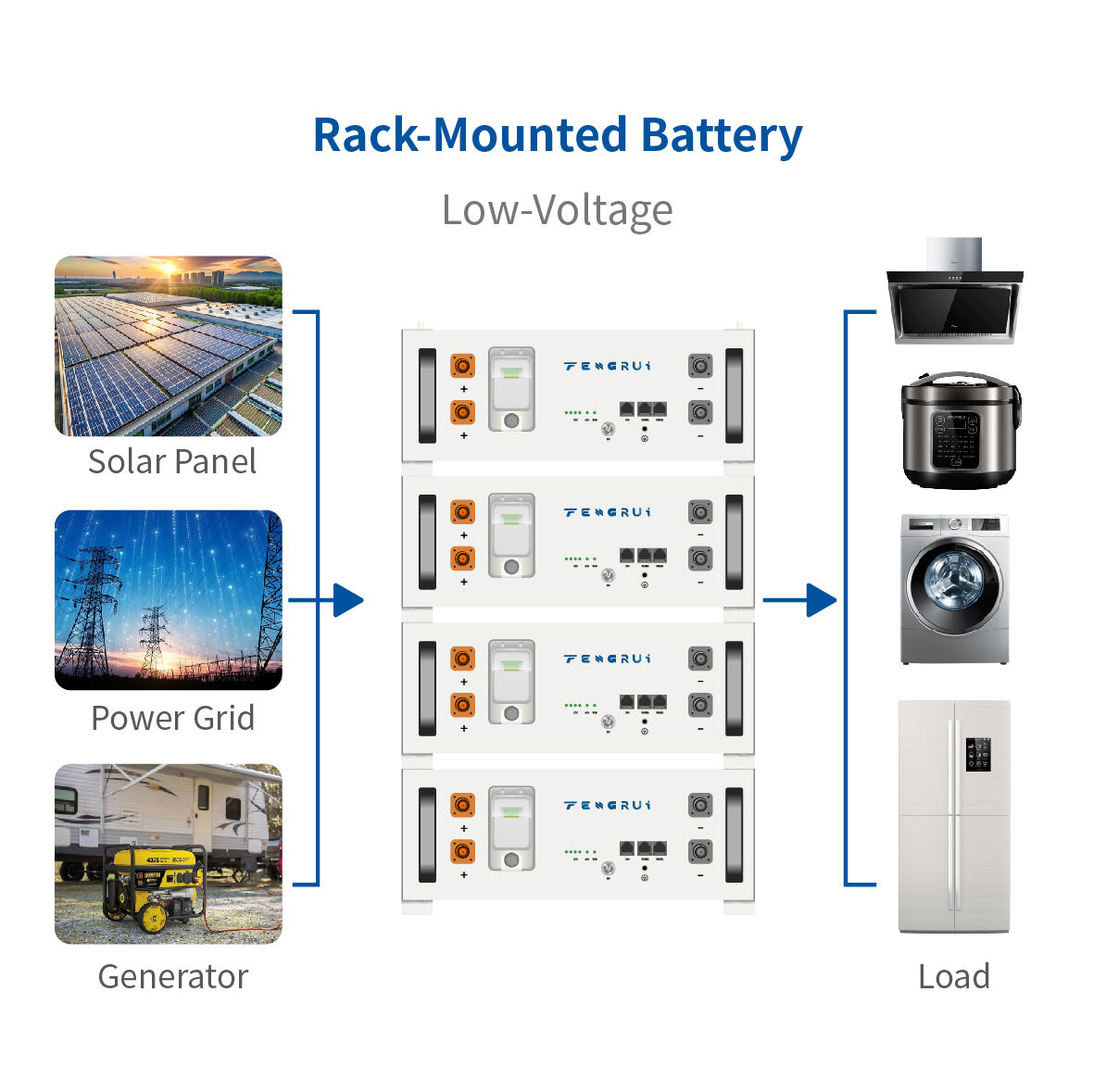
Energy storage systems seamlessly integrate with solar panels, wind turbines, and other renewable sources to provide consistent power output despite variable generation. The storage capacity allows facilities to capture excess renewable energy during peak production periods and utilize it when generation is insufficient. Advanced control systems optimize the charging and discharging cycles based on renewable energy forecasts, grid conditions, and facility load requirements. This integration maximizes renewable energy utilization while maintaining grid stability and power quality standards.
Table of Contents
- Understanding the Rising Electricity Demand Challenge
- Strategic Energy Storage Solutions for Industrial Applications
- Implementation Strategies for Industrial Facilities
- Economic Benefits and Return on Investment
- Future-Proofing Energy Infrastructure
-
FAQ
- What factors should be considered when sizing an energy storage system for industrial applications
- How does liquid cooling technology improve energy storage system performance
- What maintenance requirements are associated with industrial energy storage systems
- How can energy storage systems integrate with renewable energy sources