 EN
EN

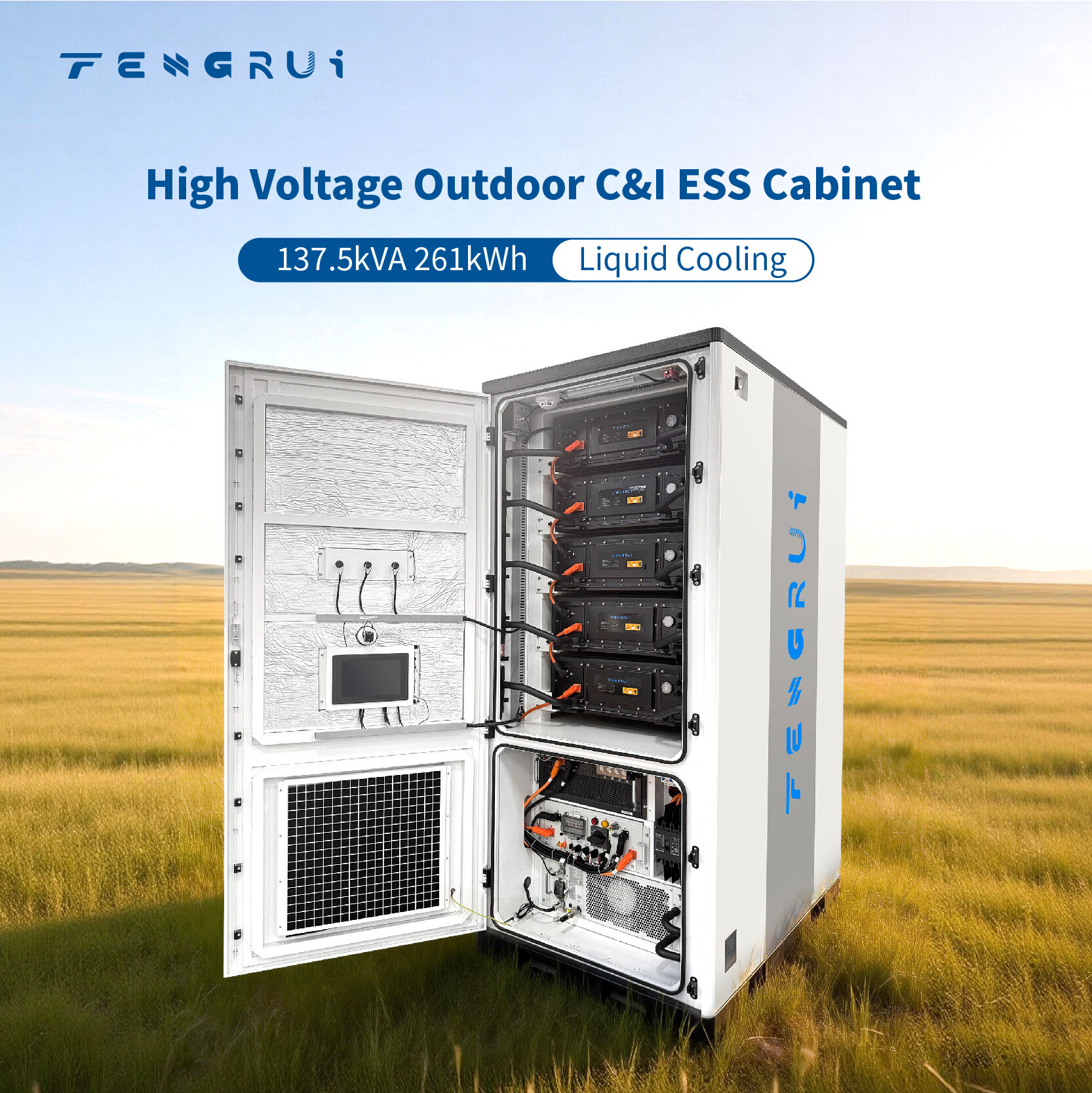
Fire safety remains a critical concern in modern energy infrastructure, particularly when dealing with large-scale battery systems and power storage solutions. An energy storage cabinet represents a significant investment in both technology and safety protocols, requiring comprehensive fire prevention strategies to protect personnel, equipment, and surrounding facilities. The integration of advanced battery technologies with proper safety measures ensures reliable operation while minimizing potential hazards associated with high-energy density systems.
Industrial facilities worldwide are increasingly adopting sophisticated fire prevention methodologies to safeguard their energy storage installations. These measures encompass multiple layers of protection, from passive design elements to active suppression systems, each tailored to address specific risks associated with battery technology and electrical components. Understanding these prevention strategies is essential for facility managers, engineers, and safety professionals working with large-scale energy storage systems.
Fundamental Design Principles for Fire Prevention
Thermal Management Systems
Effective thermal management forms the foundation of fire prevention in any energy storage cabinet configuration. Advanced cooling systems maintain optimal operating temperatures, preventing thermal runaway conditions that could lead to fire incidents. These systems typically incorporate liquid cooling circuits, forced air ventilation, or hybrid approaches that combine multiple cooling methodologies to ensure consistent temperature control across all battery modules.
Temperature monitoring sensors distributed throughout the energy storage cabinet provide real-time data to control systems, enabling proactive thermal management before critical thresholds are reached. This continuous monitoring approach allows operators to identify potential hot spots or cooling system malfunctions before they escalate into fire hazards. The integration of predictive analytics further enhances thermal management by analyzing historical temperature patterns and identifying trends that may indicate developing problems.
Compartmentalization Strategies
Physical separation of battery modules and electrical components through strategic compartmentalization significantly reduces fire propagation risks. Fire-resistant barriers constructed from specialized materials create isolated zones that contain potential incidents within specific sections of the energy storage cabinet. These barriers are engineered to withstand extreme temperatures and prevent flame spread between compartments for extended periods.
Advanced compartmentalization designs incorporate ventilation pathways that direct heat and gases away from adjacent modules while maintaining proper airflow for cooling purposes. The selection of barrier materials considers factors such as thermal conductivity, fire resistance ratings, and structural integrity under thermal stress. Many modern installations utilize ceramic fiber composites or specialized metal alloys that provide superior fire resistance while maintaining mechanical strength at elevated temperatures.
Active Fire Suppression Technologies
Gas-Based Suppression Systems
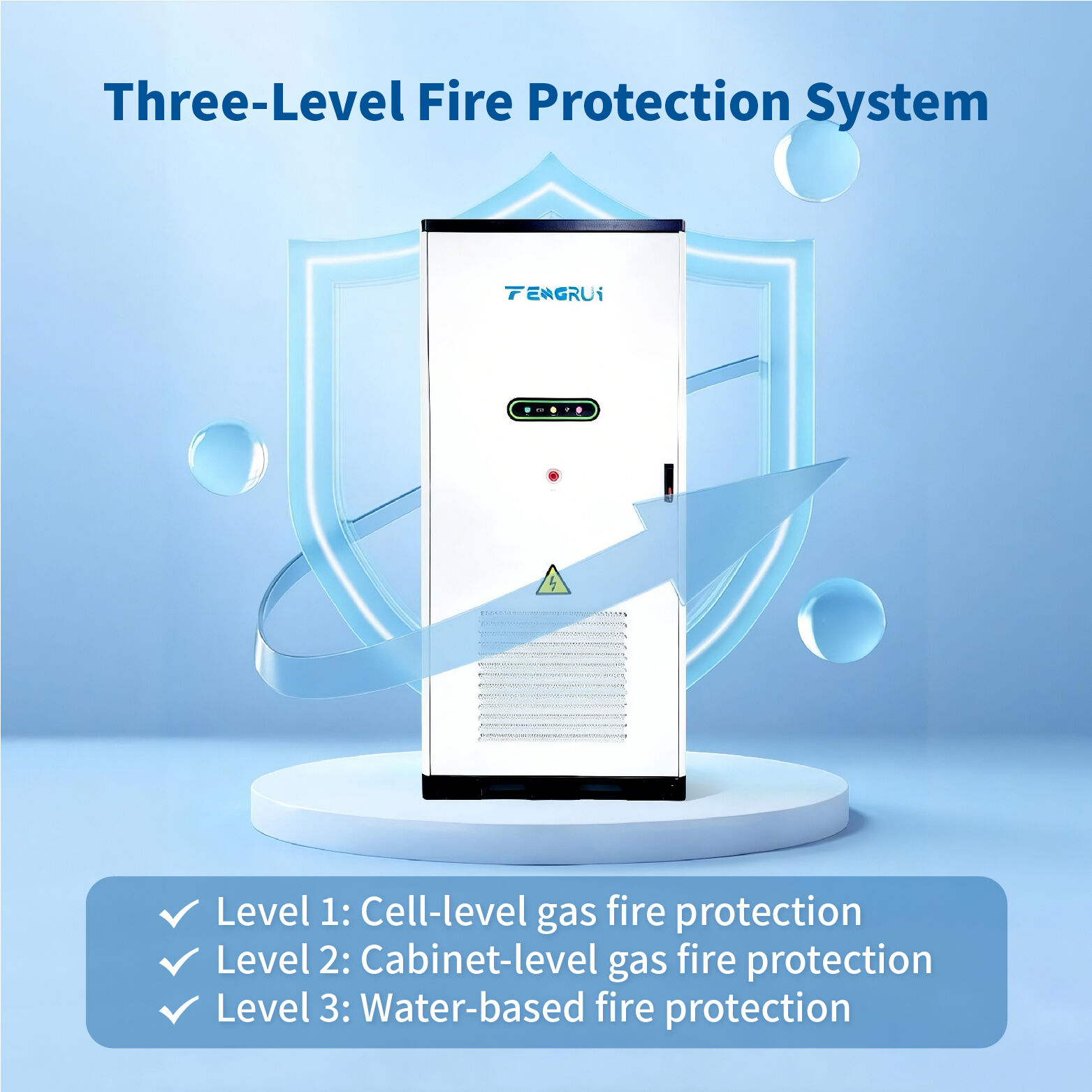
Sophisticated gas suppression systems represent the most advanced fire protection technology available for energy storage cabinet installations. Clean agent systems utilizing gases such as FM-200, Novec 1230, or carbon dioxide provide rapid fire suppression without leaving residue that could damage sensitive electronic components. These systems activate automatically upon fire detection, flooding the affected compartment with suppressant gas to eliminate oxygen and halt combustion processes.
The deployment of gas suppression systems requires careful calculation of compartment volumes, gas concentrations, and discharge timing to ensure effective suppression while maintaining personnel safety. Modern systems incorporate sophisticated control algorithms that adjust gas release patterns based on real-time fire conditions and compartment characteristics. Regular testing and maintenance of gas suppression systems ensures reliable operation when needed, with backup gas supplies and redundant activation mechanisms providing additional safety margins.
Water Mist Technology
High-pressure water mist systems offer an alternative suppression approach that combines cooling and oxygen displacement effects to control fires in energy storage cabinet environments. These systems generate fine water droplets that absorb heat energy rapidly while creating steam that dilutes oxygen concentrations around the fire source. The small droplet size minimizes water damage to electrical components while providing effective fire suppression capabilities.
Water mist systems designed for energy storage applications incorporate specialized nozzle configurations and pressure control systems to optimize droplet characteristics for different fire scenarios. The integration of water quality monitoring ensures that mineral deposits or contaminants do not compromise system performance over time. Advanced water mist installations include drainage systems to remove accumulated water and prevent electrical hazards following system activation.
Detection and Monitoring Systems
Multi-Sensor Fire Detection
Comprehensive fire detection in energy storage cabinet installations relies on multiple sensor technologies working in coordination to identify fire conditions accurately and minimize false alarms. Smoke detectors, heat sensors, and gas analyzers provide overlapping coverage that ensures rapid detection while reducing the likelihood of system malfunctions triggering unnecessary suppression actions. These integrated detection systems continuously monitor environmental conditions and analyze patterns that may indicate developing fire hazards.
Advanced detection algorithms process signals from multiple sensor types to create comprehensive threat assessments before triggering suppression systems. Machine learning capabilities enable these systems to adapt to specific installation characteristics and reduce false alarms caused by normal operational variations. The integration of visual monitoring systems using thermal imaging cameras provides additional verification of fire conditions and helps operators assess incident severity and response requirements.
Continuous Gas Monitoring
Specialized gas monitoring systems detect trace amounts of combustion byproducts and electrolyte vapors that may indicate early-stage fire development or battery degradation within the energy storage cabinet. These systems analyze air samples for specific chemical signatures associated with battery thermal events, providing early warning capabilities that enable preventive actions before visible fire conditions develop. Continuous monitoring allows operators to identify gradual changes in gas concentrations that may indicate developing problems.
The deployment of gas monitoring technology requires careful calibration and regular maintenance to ensure accurate detection capabilities and prevent false alarms. Advanced systems incorporate automated calibration procedures and self-diagnostic capabilities that verify sensor performance and alert operators to maintenance requirements. Integration with facility management systems enables centralized monitoring and automated responses to gas detection events.
Electrical Safety and Fire Prevention
Arc Fault Protection
Arc fault detection and interruption systems provide critical protection against electrical fires that may originate from connection failures, insulation breakdown, or conductor damage within the energy storage cabinet. These systems monitor electrical signatures continuously and can distinguish between normal switching operations and potentially dangerous arc conditions. Rapid disconnection of affected circuits prevents arc energy from igniting nearby materials or propagating to other system components.
Modern arc fault protection systems incorporate sophisticated algorithms that analyze current and voltage waveforms to identify characteristic patterns associated with different types of electrical faults. The integration of communication capabilities allows these systems to coordinate with other safety systems and provide detailed fault information to operators. Regular testing procedures ensure that arc fault protection systems maintain their detection sensitivity and response speed over time.
Grounding and Bonding Protocols
Proper electrical grounding and bonding throughout the energy storage cabinet installation provides fundamental protection against electrical fires caused by stray currents or voltage differentials. Comprehensive grounding systems create safe pathways for fault currents while preventing the accumulation of static charges that could ignite flammable vapors. The design of grounding systems considers the specific electrical characteristics of battery systems and ensures compatibility with fire suppression systems.
Regular inspection and testing of grounding connections maintains system integrity and identifies potential problems before they create fire hazards. Advanced monitoring systems can detect changes in grounding resistance that may indicate connection degradation or corrosion. The integration of grounding monitoring with facility management systems provides continuous oversight of electrical safety conditions throughout the installation.
Environmental Controls and Ventilation
Atmosphere Management
Controlled atmosphere management within the energy storage cabinet environment prevents the accumulation of flammable gases while maintaining optimal conditions for battery operation and fire suppression system effectiveness. Sophisticated ventilation systems maintain proper air circulation patterns that remove potentially hazardous gases while preserving temperature and humidity conditions necessary for reliable battery performance. These systems incorporate variable flow controls that adjust ventilation rates based on operational conditions and safety requirements.
The design of atmosphere management systems considers the interaction between ventilation requirements and fire suppression system operation to ensure compatibility during emergency conditions. Advanced systems can isolate ventilation zones during fire suppression activation while maintaining emergency ventilation for personnel safety. Integration with fire detection systems enables automatic adjustment of ventilation patterns to support suppression activities and prevent fire spread.
Humidity and Contamination Control
Precise humidity control within the energy storage cabinet environment prevents condensation that could create electrical hazards while maintaining conditions that minimize fire risks associated with electrostatic discharge or insulation degradation. Dehumidification systems remove excess moisture while air filtration systems eliminate contaminants that could compromise electrical connections or create combustible deposits on equipment surfaces.
Advanced environmental control systems monitor multiple atmospheric parameters simultaneously and adjust operating conditions to maintain optimal safety margins. The integration of predictive maintenance capabilities enables these systems to anticipate filter replacement needs and identify potential system malfunctions before they compromise fire safety. Regular calibration and maintenance procedures ensure continued effectiveness of environmental control systems throughout their service life.
Emergency Response and Personnel Safety
Evacuation and Access Procedures
Comprehensive emergency response procedures for energy storage cabinet installations include clearly defined evacuation routes, personnel accountability systems, and emergency access protocols for firefighting personnel. These procedures consider the unique hazards associated with battery fires, including the potential for toxic gas production and electrical hazards that may persist even after apparent fire suppression. Training programs ensure that all personnel understand evacuation procedures and emergency communication protocols.
The design of emergency access routes considers the need for firefighting equipment access while maintaining personnel safety during evacuation procedures. Emergency lighting and communication systems provide reliable operation during power outages or fire conditions. Regular emergency drills verify the effectiveness of response procedures and identify areas for improvement in emergency preparedness.
Communication and Coordination Systems
Integrated communication systems enable coordination between facility personnel, emergency responders, and system operators during fire incidents involving energy storage cabinet installations. These systems provide real-time information about system status, hazard conditions, and suppression system activation to support effective emergency response decisions. Redundant communication pathways ensure reliable operation even when primary systems are compromised by fire or power loss.
Advanced communication systems incorporate automated notification capabilities that alert emergency services and key personnel immediately upon fire detection or suppression system activation. The integration of mobile communication platforms enables remote monitoring and response coordination from off-site locations. Regular testing procedures verify communication system reliability and ensure compatibility with emergency service radio systems.
FAQ
What are the most critical fire prevention components in large energy storage cabinets
The most critical fire prevention components include advanced thermal management systems, gas suppression systems, multi-sensor fire detection arrays, and electrical arc fault protection. These systems work together to prevent fire initiation, detect early warning signs, and suppress fires quickly if they occur. Proper thermal management prevents the thermal runaway conditions that commonly lead to battery fires, while detection systems provide early warning capabilities. Gas suppression systems offer rapid, clean fire suppression without damaging sensitive electronic components.
How do gas suppression systems work specifically for battery storage applications
Gas suppression systems for energy storage cabinet applications use clean agents like FM-200 or Novec 1230 that rapidly displace oxygen and absorb heat energy to suppress fires without leaving residue. These systems are designed with specialized discharge patterns and concentration calculations specific to battery compartment volumes and fire characteristics. The systems activate automatically upon multi-point fire detection and can flood entire compartments within seconds to prevent fire spread between battery modules.
What role does compartmentalization play in energy storage fire safety
Compartmentalization creates physical barriers between battery modules and electrical components using fire-resistant materials that contain potential fires within specific zones. This approach prevents fire propagation throughout the entire energy storage cabinet and allows suppression systems to focus on affected areas. Proper compartmentalization also enables partial system shutdown during incidents, maintaining power availability from unaffected sections while addressing fire conditions in isolated compartments.
How often should fire prevention systems be tested and maintained
Fire prevention systems in energy storage cabinet installations should undergo comprehensive testing quarterly, with critical components like gas suppression systems and detection sensors tested monthly. Annual system commissioning should include full functional testing of all suppression systems, calibration of detection equipment, and verification of emergency response procedures. Daily monitoring of system status indicators and immediate investigation of any alarm conditions ensures continuous protection. Regular maintenance schedules should be developed based on manufacturer recommendations and local fire code requirements.
Table of Contents
- Fundamental Design Principles for Fire Prevention
- Active Fire Suppression Technologies
- Detection and Monitoring Systems
- Electrical Safety and Fire Prevention
- Environmental Controls and Ventilation
- Emergency Response and Personnel Safety
-
FAQ
- What are the most critical fire prevention components in large energy storage cabinets
- How do gas suppression systems work specifically for battery storage applications
- What role does compartmentalization play in energy storage fire safety
- How often should fire prevention systems be tested and maintained