 EN
EN

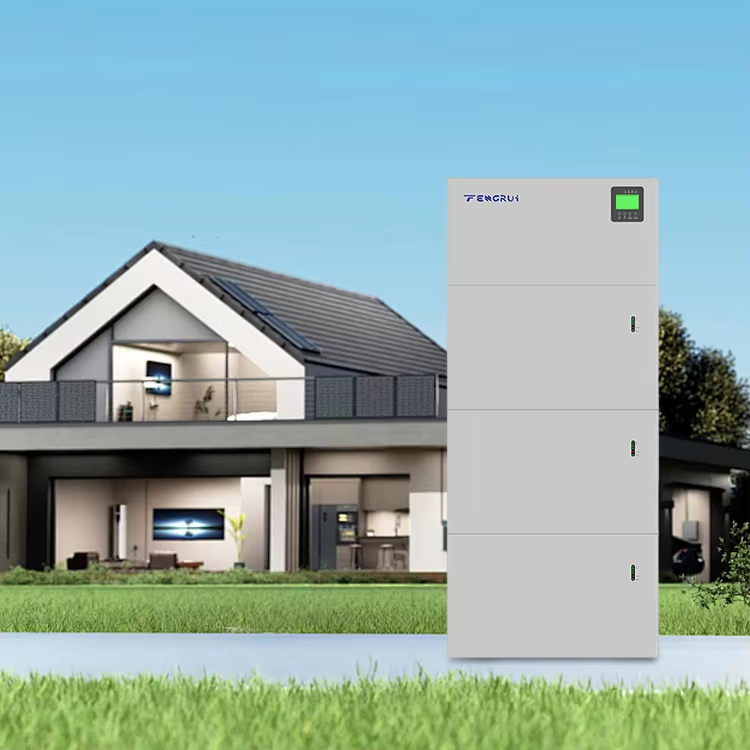
Energy storage technology has evolved dramatically over the past decade, with battery systems becoming increasingly sophisticated and efficient. As consumers and businesses seek reliable power solutions for everything from backup systems to renewable energy storage, the choice between different battery technologies has become more critical than ever. Two prominent options dominate the market today: traditional lead acid batteries and modern lithium iron phosphate technology. Understanding the fundamental differences between these systems can help you make an informed decision that aligns with your specific power requirements, budget constraints, and long-term energy goals.
Understanding Battery Chemistry Fundamentals
Lead Acid Battery Technology
Lead acid batteries represent one of the oldest rechargeable battery technologies, first developed in 1859 by French physicist Gaston Planté. These batteries utilize lead dioxide as the positive plate, sponge lead as the negative plate, and sulfuric acid as the electrolyte. The chemical reaction between these components generates electrical energy through a well-established electrochemical process. Despite their age, lead acid batteries remain popular due to their low initial cost, widespread availability, and proven reliability in various applications.
The manufacturing process for lead acid batteries is relatively straightforward and cost-effective, contributing to their affordability. However, this technology comes with inherent limitations including significant weight, lower energy density, and susceptibility to sulfation when not properly maintained. Traditional flooded lead acid batteries require regular maintenance, including checking electrolyte levels and ensuring proper ventilation to prevent gas buildup during charging cycles.
Lithium Iron Phosphate Innovation
Lithium iron phosphate technology represents a significant advancement in battery chemistry, offering superior performance characteristics compared to traditional alternatives. LiFePO4 batteries utilize lithium iron phosphate as the cathode material, providing excellent thermal stability and safety features that set them apart from other lithium-based chemistries. This specific composition eliminates the risk of thermal runaway, making these batteries inherently safer for residential and commercial applications.
The crystalline structure of lithium iron phosphate allows for efficient lithium ion movement during charge and discharge cycles, resulting in exceptional cycle life and consistent performance over time. Unlike lead acid technology, LiFePO4 Batteries maintain their capacity and performance characteristics throughout their operational lifespan without requiring regular maintenance or special handling procedures.
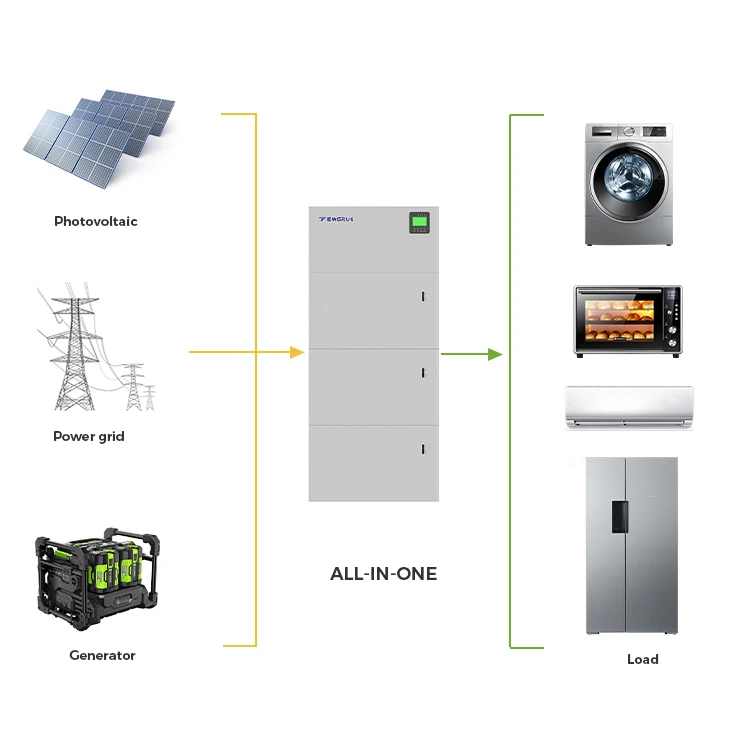
Performance Comparison and Efficiency Metrics
Energy Density and Weight Considerations
One of the most significant differences between these technologies lies in their energy density characteristics. Lead acid batteries typically provide 30-50 watt-hours per kilogram, while lithium iron phosphate systems deliver 90-120 watt-hours per kilogram. This substantial difference means that LiFePO4 batteries can store significantly more energy in a smaller, lighter package, making them ideal for applications where space and weight constraints are important factors.
The weight advantage becomes particularly important in mobile applications, backup power systems, and installations where structural considerations limit the total system weight. A typical lead acid battery bank required for a residential solar system might weigh several hundred pounds, while an equivalent LiFePO4 system could provide the same capacity at a fraction of the weight. This characteristic simplifies installation procedures and reduces structural requirements for mounting systems.
Cycle Life and Longevity
Cycle life represents perhaps the most dramatic difference between these two technologies. Quality lead acid batteries typically provide 300-500 complete charge-discharge cycles when properly maintained and not discharged below 50% capacity. In contrast, LiFePO4 batteries routinely deliver 3,000-5,000 cycles while maintaining 80% of their original capacity, with some premium systems exceeding 6,000 cycles under optimal conditions.
This extended cycle life translates directly into lower lifetime costs and reduced replacement frequency. While the initial investment for lithium iron phosphate technology is higher, the extended operational lifespan often results in superior value over the system's lifetime. Additionally, LiFePO4 batteries can be discharged to much lower levels without damage, typically allowing 95-100% depth of discharge compared to the 50% limit recommended for lead acid systems.
Cost Analysis and Economic Considerations
Initial Investment Requirements
The upfront cost difference between lead acid and LiFePO4 batteries remains substantial, with lithium systems typically costing 3-5 times more than equivalent lead acid installations. This initial investment barrier often influences purchasing decisions, particularly for budget-conscious consumers or applications with limited capital expenditure budgets. However, this comparison becomes more complex when considering the total cost of ownership over the system's operational lifetime.
Lead acid systems require additional components and infrastructure, including proper ventilation systems, battery maintenance equipment, and more robust charging controllers to manage their specific requirements. These ancillary costs can significantly impact the total system price, narrowing the gap between technologies when all components are considered. Furthermore, the installation costs for heavier lead acid systems may be higher due to structural reinforcement requirements and more complex handling procedures.
Long-term Financial Impact
When evaluating the long-term financial implications, LiFePO4 batteries often demonstrate superior economic value despite their higher initial cost. The extended cycle life means fewer replacements over a 20-year period, potentially requiring only one LiFePO4 system replacement compared to 4-6 lead acid battery replacements. This reduction in replacement frequency eliminates recurring purchase, installation, and disposal costs associated with lead acid technology.
Maintenance costs also favor lithium iron phosphate systems significantly. Lead acid batteries require regular electrolyte monitoring, terminal cleaning, and equalization charging procedures, while LiFePO4 batteries operate maintenance-free throughout their lifespan. The labor savings and reduced system downtime contribute additional economic benefits that compound over time, making the total cost of ownership calculation increasingly favorable for lithium technology.
Safety Features and Environmental Impact
Safety Characteristics and Risk Management
Safety considerations play a crucial role in battery selection, particularly for residential and commercial installations. Lead acid batteries present several safety challenges, including the production of hydrogen gas during charging, corrosive sulfuric acid electrolyte, and the risk of acid spills or leaks. These characteristics require proper ventilation, personal protective equipment during maintenance, and careful handling procedures to prevent accidents or exposure incidents.
LiFePO4 batteries offer significantly improved safety profiles compared to both lead acid and other lithium chemistries. The iron phosphate chemistry is inherently stable and will not experience thermal runaway even under extreme conditions such as overcharging, physical damage, or high temperatures. This stability eliminates the need for complex battery management systems and allows for safer installation in confined spaces without extensive ventilation requirements.
Environmental Considerations and Sustainability
Environmental impact considerations increasingly influence technology selection decisions as sustainability becomes a priority for consumers and businesses. Lead acid batteries contain toxic heavy metals including lead and sulfuric acid, requiring careful disposal procedures and specialized recycling facilities. While lead acid recycling programs are well-established and effective, the environmental cost of mining, processing, and manufacturing these materials remains significant.
Lithium iron phosphate technology offers improved environmental characteristics throughout its lifecycle. The materials used in LiFePO4 batteries are less toxic and more environmentally friendly than lead acid alternatives. Additionally, the extended operational lifespan means fewer batteries manufactured and disposed of over time, reducing the overall environmental footprint. The absence of toxic gases during operation and the recyclability of lithium compounds further enhance the environmental profile of this technology.
Application Suitability and Use Cases
Residential Energy Storage Applications
For residential energy storage applications, the choice between technologies depends heavily on specific use requirements and installation constraints. Lead acid batteries remain suitable for basic backup power applications where cost is the primary concern and space limitations are minimal. These systems work well for occasional power outages and emergency backup scenarios where the batteries are not frequently cycled and maintenance can be performed regularly.
LiFePO4 batteries excel in residential solar energy storage systems where daily cycling is common and space efficiency is important. Their ability to handle frequent charge-discharge cycles without degradation makes them ideal for grid-tied systems with battery backup or off-grid installations requiring reliable daily operation. The maintenance-free operation and improved safety characteristics make them particularly attractive for residential installations where homeowners prefer minimal system interaction.
Commercial and Industrial Applications
Commercial applications often favor LiFePO4 batteries due to their reliability, efficiency, and reduced maintenance requirements. Data centers, telecommunications facilities, and critical infrastructure installations benefit from the consistent performance and extended lifespan offered by lithium iron phosphate technology. The reduced maintenance requirements translate into lower operational costs and improved system reliability for mission-critical applications.
Industrial applications with frequent cycling requirements, such as material handling equipment, renewable energy installations, and backup power systems, typically realize significant benefits from LiFePO4 technology. The ability to discharge deeply without damage and the rapid recharge capabilities make these batteries ideal for demanding industrial environments where downtime must be minimized and performance consistency is essential.
FAQ
How long do LiFePO4 batteries last compared to lead acid batteries
LiFePO4 batteries typically last 8-10 years or 3,000-5,000 cycles, significantly longer than lead acid batteries which usually last 3-5 years or 300-500 cycles. The extended lifespan of lithium iron phosphate technology often justifies the higher initial investment through reduced replacement costs and improved reliability over time. Proper battery management and operating conditions can extend LiFePO4 battery life even further, with some systems achieving over 6,000 cycles while maintaining 80% of their original capacity.
Are LiFePO4 batteries worth the extra cost for residential solar systems
For most residential solar installations, LiFePO4 batteries provide superior value despite their higher upfront cost. The combination of longer lifespan, higher efficiency, deeper discharge capability, and maintenance-free operation typically results in lower total cost of ownership over 10-20 years. Additionally, the space savings and improved safety characteristics make them particularly attractive for residential applications where these factors are important considerations.
Can I replace my lead acid batteries with LiFePO4 batteries directly
While LiFePO4 batteries can often replace lead acid batteries in existing systems, the installation typically requires modifications to charging parameters and battery management systems. The different voltage characteristics and charging requirements of lithium iron phosphate technology may necessitate upgrades to charge controllers, inverters, or monitoring systems. Professional consultation is recommended to ensure compatibility and optimal performance when making this upgrade.
What maintenance is required for each battery type
Lead acid batteries require regular maintenance including checking electrolyte levels, cleaning terminals, ensuring proper ventilation, and performing equalization charging procedures. This maintenance must be performed monthly or quarterly depending on usage patterns. LiFePO4 batteries operate maintenance-free throughout their lifespan, requiring only occasional visual inspection and basic monitoring of charge levels and system performance indicators.