 EN
EN

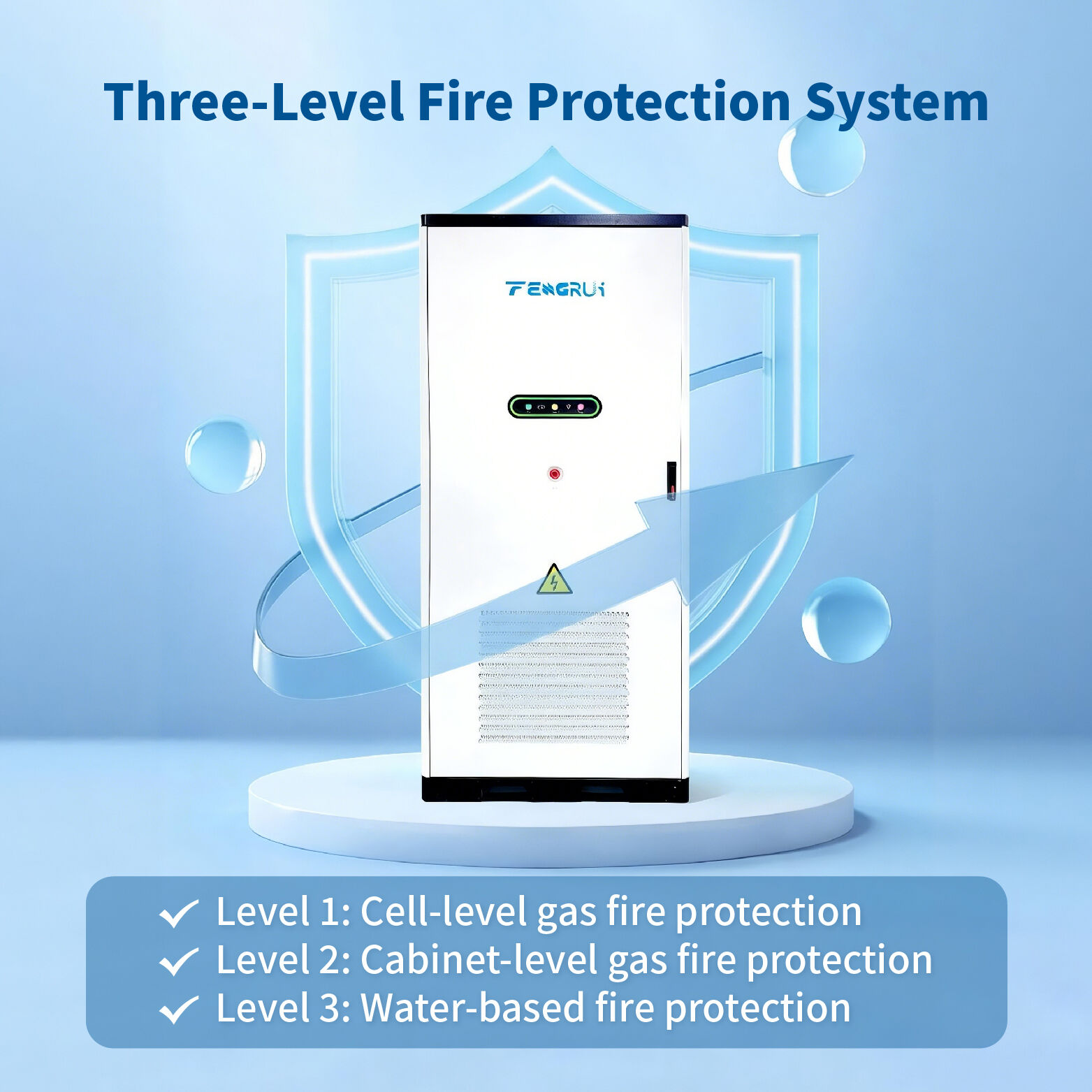
Fire safety represents a critical cornerstone in modern commercial and industrial energy storage deployments, where sophisticated battery systems require comprehensive protection measures. The C&I Energy Storage System Cabinet incorporates multiple layers of fire safety protocols designed to prevent thermal incidents and ensure operational reliability across diverse industrial applications. Understanding these safety levels becomes essential for facility managers, engineers, and decision-makers evaluating energy storage solutions for their operations.
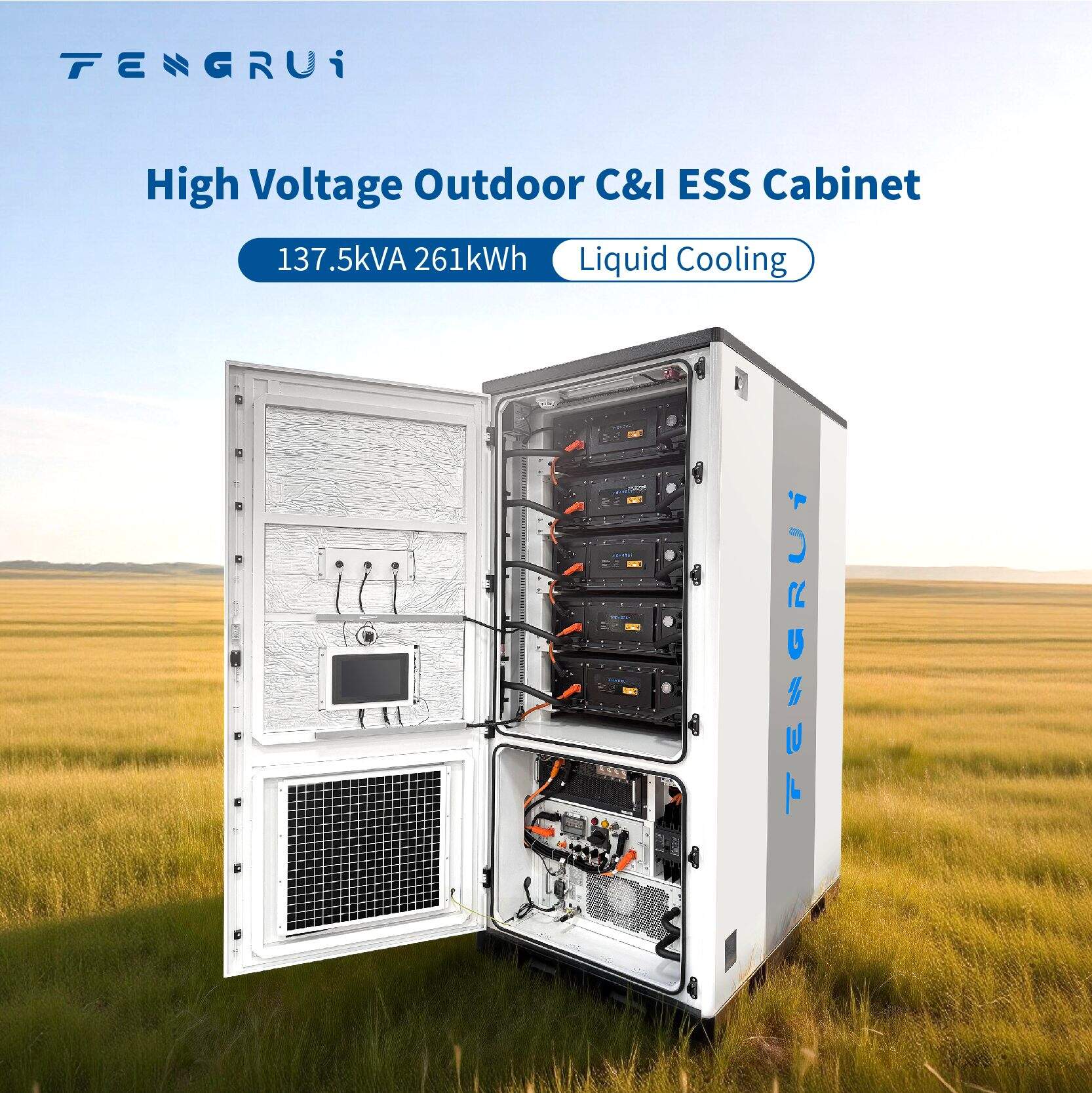
Contemporary energy storage installations face stringent regulatory requirements and industry standards that mandate specific fire safety classifications. These requirements have evolved significantly as battery technology advances and deployment scales increase across commercial facilities, manufacturing plants, and institutional buildings. The integration of comprehensive fire safety measures within energy storage cabinets directly impacts insurance costs, regulatory compliance, and overall system reliability throughout the operational lifecycle.
Primary Fire Safety Classifications
UL9540A Thermal Runaway Propagation Standards
The UL9540A standard establishes rigorous testing protocols for energy storage systems, specifically addressing thermal runaway propagation characteristics within battery modules and enclosures. This standard evaluates how thermal incidents spread between individual cells, modules, and cabinet sections under controlled laboratory conditions. Testing procedures simulate various failure scenarios including overcharging, external heating, and mechanical damage to assess containment effectiveness.
Commercial and industrial facilities implementing C&I Energy Storage System Cabinet solutions must demonstrate compliance with these thermal runaway standards to satisfy building codes and insurance requirements. The testing protocols examine gas emissions, heat release rates, and flame propagation patterns to establish safety thresholds for different installation environments. These comprehensive assessments provide quantitative data supporting safe installation practices and emergency response procedures.
NFPA855 Installation Requirements
The National Fire Protection Association's NFPA855 standard provides detailed installation guidelines for stationary energy storage systems in commercial and industrial applications. These requirements address cabinet placement, ventilation systems, fire suppression integration, and emergency access protocols. Compliance with NFPA855 ensures that C&I Energy Storage System Cabinet installations meet recognized industry safety benchmarks.
Installation specifications under NFPA855 include minimum clearance distances, structural fire ratings, and detection system integration requirements. The standard emphasizes proper ventilation design to manage gas emissions during normal operation and potential thermal incidents. These guidelines also establish requirements for emergency shutdown systems and first responder access considerations that enhance overall facility safety.
Advanced Detection and Suppression Systems
Multi-Level Detection Technologies
Modern detection systems within energy storage cabinets employ multiple sensing technologies to identify potential thermal incidents before they escalate into serious safety hazards. Temperature monitoring systems track cell-level and module-level thermal conditions continuously, providing early warning capabilities through sophisticated algorithms that analyze thermal patterns and rate-of-change indicators. These systems integrate seamlessly with building management platforms for centralized monitoring and response coordination.
Gas detection systems complement thermal monitoring by identifying combustible gases and toxic emissions that may indicate developing thermal runaway conditions. Advanced C&I Energy Storage System Cabinet designs incorporate hydrogen, carbon monoxide, and electrolyte vapor sensors that trigger automated response protocols when threshold levels are detected. This multi-layered approach significantly reduces the probability of undetected thermal incidents progressing to dangerous levels.
Automated Suppression Integration
Fire suppression systems designed specifically for energy storage applications utilize clean agent technologies that effectively suppress fires without causing additional damage to electronic components or creating environmental hazards. These systems deploy rapidly upon detection of thermal incidents, flooding cabinet interiors with suppression agents that interrupt the combustion process while maintaining breathable atmospheric conditions for emergency responders.
Integration between detection systems and suppression mechanisms ensures coordinated response to thermal incidents, with automated protocols that isolate affected cabinet sections, activate ventilation systems, and notify facility personnel simultaneously. The C&I Energy Storage System Cabinet incorporates these advanced suppression capabilities to provide comprehensive protection throughout the operational lifecycle.
Structural Fire Resistance Features
Cabinet Construction Materials
Fire-resistant cabinet construction utilizes specialized materials and design principles that contain thermal incidents within individual modules while preventing propagation to adjacent sections. High-temperature steel alloys, ceramic insulation materials, and intumescent coatings work together to create barriers that withstand extreme temperatures generated during thermal runaway events. These materials maintain structural integrity under fire conditions, preventing cabinet failure that could expose internal components to external fire sources.
Material selection for C&I Energy Storage System Cabinet construction considers both fire resistance and electromagnetic compatibility requirements that ensure proper system operation under normal conditions. Advanced composite materials provide excellent thermal barriers while maintaining the structural strength necessary for seismic compliance and mechanical durability throughout extended service periods.
Compartmentalization Design Principles
Effective compartmentalization limits the spread of thermal incidents by creating physical barriers between battery modules and cabinet sections. These design principles establish fire-rated boundaries that prevent thermal propagation while maintaining necessary electrical connections and cooling system integration. Compartment design also facilitates targeted suppression deployment and emergency access for maintenance personnel.
Modern compartmentalization strategies incorporate pressure relief systems that safely vent gases generated during thermal incidents while preventing external fire sources from entering cabinet interiors. These venting systems direct potentially hazardous emissions away from personnel areas and building structures, reducing the overall impact of thermal incidents on facility operations and occupant safety.
Operational Safety Protocols
Preventive Maintenance Standards
Comprehensive maintenance protocols play a crucial role in maintaining fire safety levels throughout the operational lifecycle of energy storage systems. Regular inspection schedules address connection integrity, thermal management system performance, and detection system functionality to identify potential issues before they develop into safety hazards. These protocols establish specific intervals for component replacement, calibration procedures, and performance testing that ensure continued compliance with safety standards.
Training programs for maintenance personnel emphasize safety procedures specific to energy storage systems, including proper isolation techniques, personal protective equipment requirements, and emergency response protocols. Qualified technicians understand the unique characteristics of C&I Energy Storage System Cabinet installations and apply appropriate safety measures during routine maintenance activities and emergency situations.
Emergency Response Integration
Effective emergency response planning coordinates facility personnel, local fire departments, and emergency management agencies to ensure rapid and appropriate response to potential thermal incidents. Response plans address system isolation procedures, evacuation protocols, and specialized firefighting techniques appropriate for energy storage installations. These plans undergo regular review and updating to incorporate lessons learned from industry incidents and evolving best practices.
Communication systems integrated with C&I Energy Storage System Cabinet installations provide real-time status information to emergency responders, enabling informed decision-making during critical incidents. These systems transmit detailed information about system status, detected hazards, and recommended response actions to support coordinated emergency response efforts that prioritize personnel safety and property protection.
Regulatory Compliance and Standards
International Fire Safety Codes
Global deployment of energy storage systems requires compliance with diverse international fire safety codes and standards that vary by region and application. European standards such as EN54 series address fire detection and alarm systems, while IEC62619 establishes safety requirements for lithium-ion battery installations. Understanding these varying requirements becomes essential for multinational organizations implementing C&I Energy Storage System Cabinet solutions across different jurisdictions.
Harmonization efforts between international standards organizations work toward consistent safety requirements that facilitate global deployment while maintaining high safety levels. These efforts address testing procedures, performance criteria, and installation requirements that ensure equivalent safety levels regardless of geographic location or local regulatory frameworks.
Insurance and Risk Management
Insurance providers increasingly require detailed fire safety documentation and compliance verification for energy storage installations, directly impacting coverage availability and premium costs. Risk assessment procedures evaluate system design, installation practices, and operational protocols to determine appropriate coverage levels and risk mitigation requirements. These assessments consider the comprehensive fire safety features incorporated in modern C&I Energy Storage System Cabinet designs.
Risk management strategies extend beyond regulatory compliance to include business continuity planning, liability assessment, and financial impact analysis. Organizations implementing energy storage solutions must demonstrate that fire safety measures align with overall risk tolerance levels and business objectives while satisfying stakeholder expectations for safety and reliability.
Future Developments in Fire Safety
Advanced Battery Chemistry Integration
Emerging battery chemistries offer improved intrinsic safety characteristics that reduce fire risks while maintaining or improving energy density and performance capabilities. Lithium iron phosphate technologies demonstrate enhanced thermal stability compared to traditional lithium-ion formulations, while solid-state battery developments promise even greater safety improvements through elimination of flammable electrolytes.
Integration of these advanced chemistries into C&I Energy Storage System Cabinet platforms requires updated fire safety protocols that address the specific characteristics and potential failure modes of new battery technologies. Testing standards and safety requirements continue evolving to accommodate these technological advances while maintaining rigorous safety benchmarks.
Predictive Safety Analytics
Machine learning algorithms increasingly enable predictive analysis of battery system behavior, identifying potential safety issues before they develop into hazardous conditions. These analytics platforms process continuous streams of operational data to detect subtle patterns indicating degradation, thermal stress, or other conditions that could lead to safety incidents.
Implementation of predictive analytics within C&I Energy Storage System Cabinet monitoring systems enhances preventive maintenance capabilities while reducing the likelihood of unexpected thermal incidents. These systems provide facility managers with actionable insights that support proactive maintenance scheduling and risk mitigation strategies.
FAQ
What fire safety certifications should I look for in commercial energy storage systems
Look for UL9540A thermal runaway propagation testing certification, UL1973 battery safety standard compliance, and UL991 environmental air duct system certification. Additionally, ensure NFPA855 installation compliance and any relevant local fire code certifications. These certifications demonstrate that the C&I Energy Storage System Cabinet meets recognized industry safety benchmarks for commercial installations.
How often should fire detection systems be tested in energy storage installations
Fire detection systems require monthly functional testing of alarms and indicators, quarterly sensor calibration verification, and annual comprehensive system testing including suppression system activation checks. Additionally, thermal monitoring systems should undergo continuous diagnostic monitoring with immediate alert capabilities for any sensor failures or calibration drift.
What are the minimum clearance requirements for energy storage cabinet installations
NFPA855 typically requires minimum 3-foot clearances on all sides for maintenance access, with additional spacing requirements based on cabinet size and local fire code requirements. Clearances may increase for installations near property lines, occupied spaces, or other hazardous materials. Consult local authorities having jurisdiction for specific clearance requirements in your installation location.
How do fire suppression systems work specifically for energy storage applications
Energy storage fire suppression systems typically utilize clean agents like FM200 or Novec1230 that rapidly flood cabinet interiors without leaving residue or causing additional equipment damage. These systems integrate with detection networks to provide immediate response to thermal incidents while maintaining safe atmospheric conditions for emergency responders and minimizing business interruption impacts.
Table of Contents
- Primary Fire Safety Classifications
- Advanced Detection and Suppression Systems
- Structural Fire Resistance Features
- Operational Safety Protocols
- Regulatory Compliance and Standards
- Future Developments in Fire Safety
-
FAQ
- What fire safety certifications should I look for in commercial energy storage systems
- How often should fire detection systems be tested in energy storage installations
- What are the minimum clearance requirements for energy storage cabinet installations
- How do fire suppression systems work specifically for energy storage applications