 EN
EN

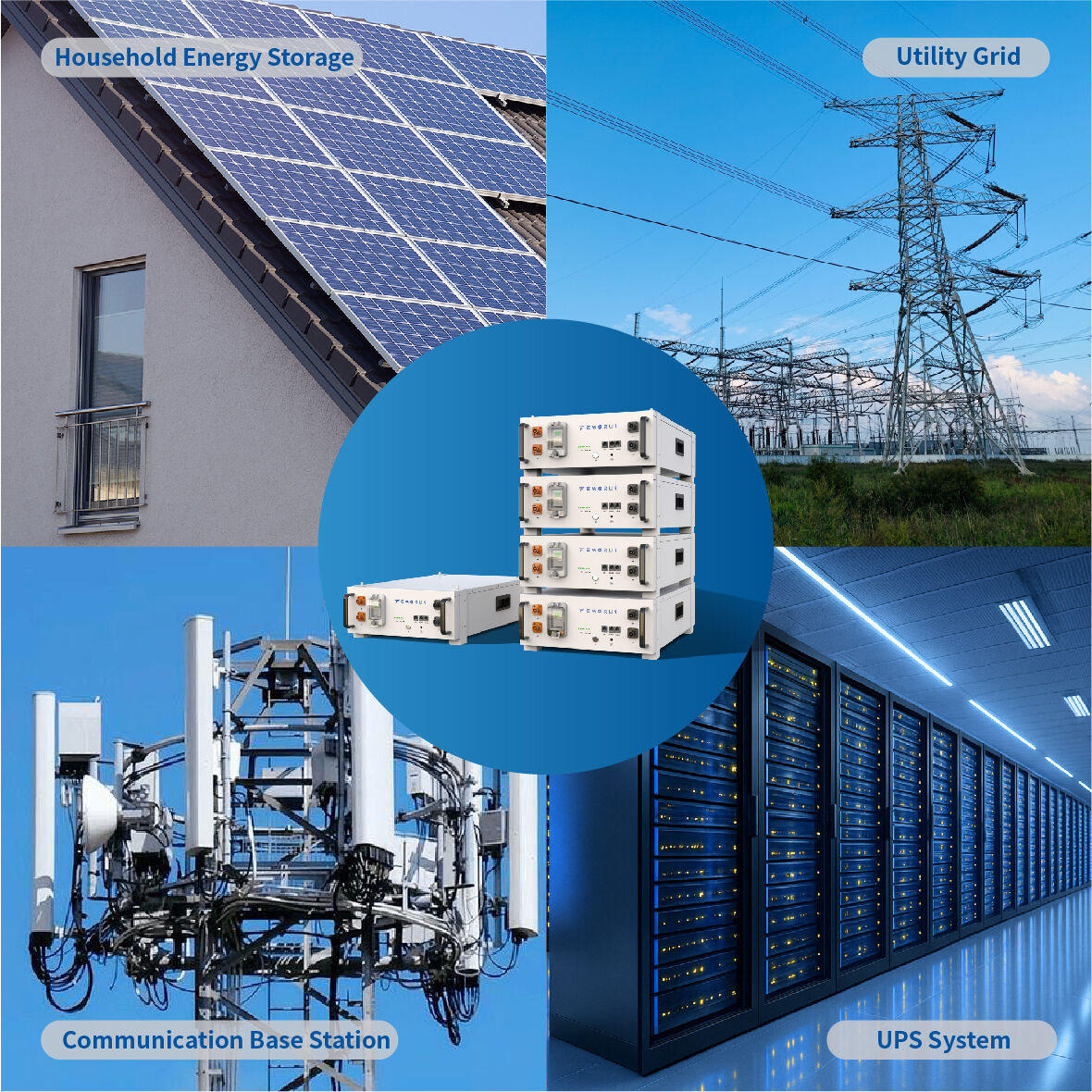
In today's digital landscape, data centers serve as the backbone of modern business operations, requiring uninterrupted power supply to maintain critical services and protect valuable information. The reliability of these facilities depends heavily on robust backup power systems, with rack mounted batteries emerging as the preferred solution for many organizations. These specialized battery systems offer unique advantages that make them particularly well-suited for data center environments, where space efficiency, scalability, and operational reliability are paramount concerns.
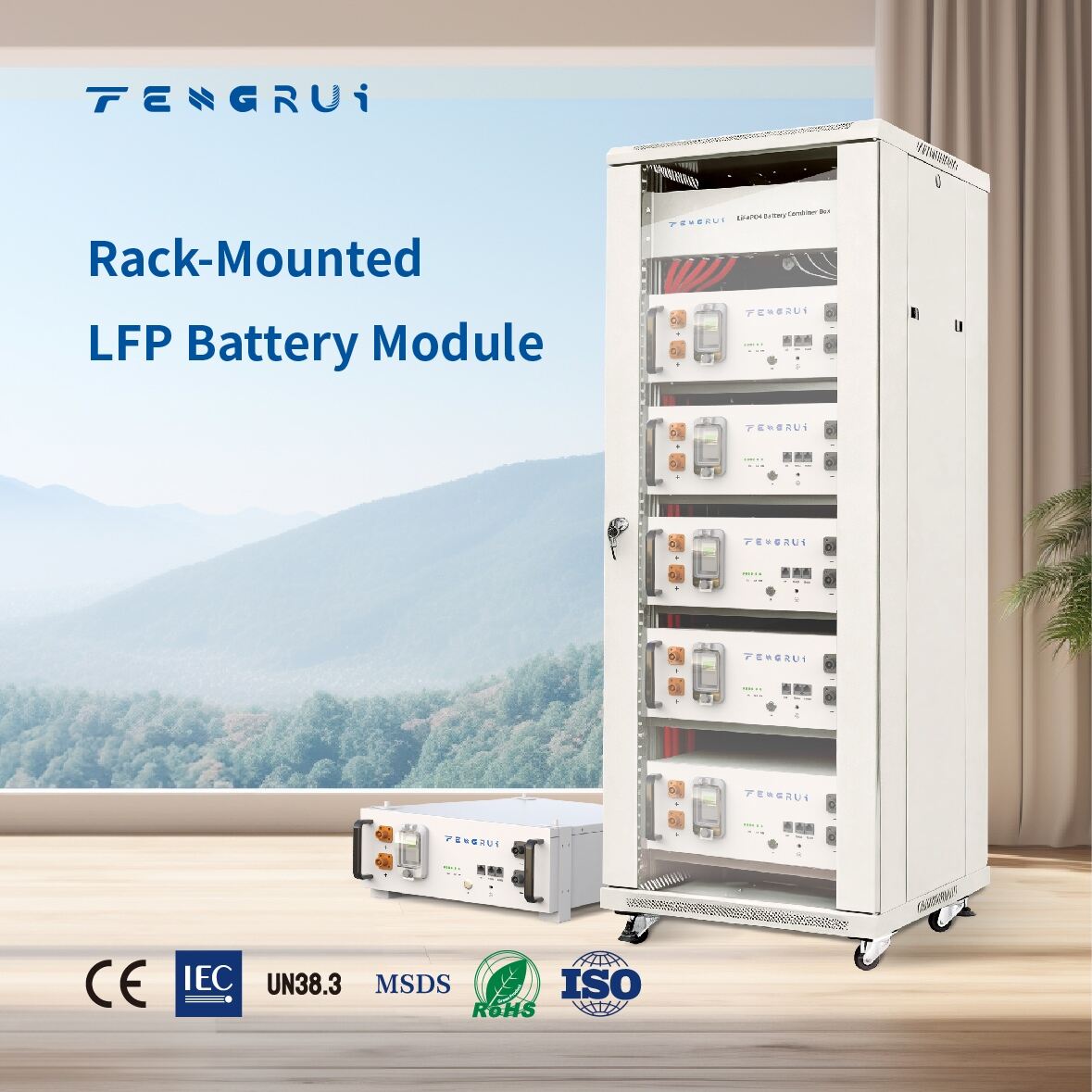
The evolution of data center power requirements has driven significant innovations in battery technology, leading to the development of sophisticated rack mounted batteries that can seamlessly integrate into existing infrastructure. These systems provide essential backup power during utility outages while maintaining the compact form factor necessary for modern data center designs. Understanding the specific benefits and applications of these battery systems is crucial for data center operators seeking to optimize their power infrastructure and ensure maximum uptime for their critical operations.
Space Optimization and Design Efficiency
Compact Form Factor Benefits
The most significant advantage of rack mounted batteries lies in their space-efficient design, which allows data centers to maximize their power capacity within limited floor space. Traditional battery installations often require dedicated battery rooms or extensive floor space, reducing the available area for revenue-generating equipment. Modern rack mounted batteries solve this challenge by integrating directly into standard 19-inch racks, utilizing vertical space more effectively and maintaining the organized layout that data centers require.
This compact design approach enables data center operators to deploy backup power systems closer to the equipment they protect, reducing power transmission losses and improving overall system efficiency. The standardized rack dimensions ensure compatibility with existing infrastructure, eliminating the need for costly modifications or dedicated installation areas. Additionally, the modular nature of these systems allows for precise capacity planning, enabling operators to install only the battery capacity they currently need while maintaining the flexibility to expand as requirements grow.
Integration with Existing Infrastructure
Seamless integration represents another critical advantage of rack mounted batteries in data center environments. These systems are specifically designed to work within the established cooling, monitoring, and management systems that data centers already employ. The standardized mounting configurations ensure that battery systems can be installed using existing rack hardware, cable management solutions, and power distribution units without requiring specialized installation procedures or equipment modifications.
The integration extends to monitoring and management capabilities, with most modern rack mounted batteries featuring built-in communication interfaces that connect directly to data center management systems. This connectivity allows operators to monitor battery health, charge status, and performance metrics alongside other critical infrastructure components, providing a comprehensive view of facility operations. Such integration capabilities significantly reduce the complexity of battery system management while improving overall operational efficiency and reducing the potential for human error in monitoring and maintenance activities.
Scalability and Modular Expansion
Flexible Capacity Management
One of the most compelling aspects of rack mounted batteries is their inherent scalability, which allows data centers to adapt their backup power capacity to changing operational requirements. Unlike traditional battery systems that require significant upfront investments in fixed capacity configurations, modular rack mounted batteries enable incremental capacity additions as data center loads increase. This approach aligns capital expenditure with actual demand, improving financial efficiency while maintaining adequate backup power protection.
The modular design philosophy extends beyond simple capacity scaling to include diverse configuration options that accommodate different operational scenarios. Data centers can deploy multiple smaller battery banks to provide redundancy and fault tolerance, or they can concentrate capacity in fewer, larger installations to maximize efficiency. This flexibility proves particularly valuable in colocation environments where different customers may have varying backup power requirements, allowing facility operators to tailor their battery deployments to specific tenant needs.
Future-Proof Investment Strategy
The modular nature of Rack Mounted Batteries provides data centers with a future-proof investment strategy that can adapt to evolving technology requirements and changing business needs. As data centers experience growth or undergo technology refreshes, they can easily expand their battery capacity without disrupting existing operations or requiring major infrastructure overhauls. This capability proves essential in dynamic business environments where operational requirements can change rapidly due to customer demands, regulatory requirements, or technological advances.
Furthermore, the modular approach allows data centers to incorporate newer battery technologies as they become available, gradually upgrading their backup power systems without wholesale replacement of existing investments. This evolutionary upgrade path ensures that data centers can maintain competitive advantages while managing capital expenditure efficiently over extended periods. The ability to mix different battery technologies or generations within the same rack infrastructure provides additional flexibility for optimizing performance characteristics such as energy density, charge/discharge rates, or operational lifespan.
Enhanced Reliability and Performance
Superior Battery Management Systems
Modern rack mounted batteries incorporate advanced battery management systems that provide unprecedented visibility into battery performance and health status. These sophisticated monitoring systems track individual cell voltages, temperatures, and charge states, enabling proactive maintenance and early detection of potential issues before they impact system reliability. The granular monitoring capabilities allow data center operators to optimize charging algorithms, balance cell performance, and extend overall battery lifespan through intelligent management practices.
The integration of smart battery management extends to predictive analytics capabilities that can forecast battery replacement needs and optimize maintenance schedules. By analyzing historical performance data and current operating conditions, these systems can provide accurate predictions about remaining useful life and recommend optimal replacement timing. This predictive approach reduces the risk of unexpected battery failures while maximizing the return on battery investments through extended operational lifespans and improved planning capabilities.
Improved Cooling and Thermal Management
Effective thermal management represents a critical factor in battery performance and longevity, particularly in data center environments where ambient temperatures and heat loads can vary significantly. Rack mounted batteries benefit from direct integration with data center cooling systems, ensuring optimal operating temperatures and consistent performance across varying load conditions. The rack-based installation allows batteries to take advantage of existing airflow patterns and cooling infrastructure, reducing the need for supplementary cooling systems.
The improved cooling effectiveness of rack mounted batteries contributes directly to enhanced performance characteristics, including faster charging rates, higher discharge capacities, and extended operational lifespans. Proper thermal management also reduces the risk of thermal runaway events and other safety concerns associated with battery operations. Additionally, the consistent temperature environment provided by data center cooling systems helps maintain uniform performance across multiple battery modules, ensuring predictable backup power delivery and simplified capacity planning processes.
Operational Efficiency and Maintenance
Simplified Maintenance Procedures
The accessibility advantages of rack mounted batteries significantly simplify routine maintenance procedures and reduce the time required for inspection, testing, and replacement activities. Unlike traditional battery installations that may be located in separate rooms or require special access procedures, rack mounted batteries can be serviced using standard data center maintenance protocols and equipment. This accessibility reduces maintenance costs while improving the frequency and quality of routine inspections, contributing to enhanced system reliability and performance.
The standardized mounting and connection systems used in rack mounted batteries also streamline replacement procedures, allowing maintenance teams to quickly swap failed modules without disrupting adjacent systems or requiring specialized tools. Hot-swappable designs enable battery replacement during normal operations, eliminating the need for scheduled downtime or service windows. This capability proves particularly valuable in mission-critical environments where any interruption to backup power protection could compromise operational availability or regulatory compliance requirements.
Reduced Total Cost of Ownership
When evaluated over their complete operational lifecycle, rack mounted batteries often provide superior total cost of ownership compared to traditional battery installations. The space efficiency of these systems reduces facility costs by maximizing the utilization of expensive data center real estate. Additionally, the improved cooling efficiency and thermal management capabilities contribute to longer battery lifespans and reduced replacement frequency, lowering long-term operational costs.
The simplified maintenance procedures and enhanced monitoring capabilities of rack mounted batteries also contribute to reduced operational expenses through improved maintenance efficiency and reduced labor requirements. The ability to perform predictive maintenance based on actual battery condition rather than fixed schedules helps optimize maintenance spending while ensuring optimal system performance. These operational efficiencies, combined with the modular scalability benefits, create compelling economic advantages that make rack mounted batteries an attractive investment for data center operators focused on long-term operational efficiency.
Safety and Environmental Considerations
Enhanced Safety Features
Modern rack mounted batteries incorporate comprehensive safety systems designed to protect both personnel and equipment in data center environments. Advanced battery chemistries such as lithium iron phosphate provide inherent safety advantages over traditional lead-acid batteries, including reduced fire risk, elimination of toxic gas emissions, and improved tolerance to overcharge or over-discharge conditions. These safety improvements are particularly important in data center environments where personnel access is frequent and equipment density is high.
The integrated safety systems in rack mounted batteries include automatic disconnect mechanisms, thermal monitoring, and fault detection capabilities that can isolate problematic modules before they impact overall system operation. Emergency shutdown procedures can be integrated with facility fire suppression systems, providing coordinated protection for both battery systems and surrounding equipment. Additionally, the contained design of rack mounted batteries reduces the risk of electrolyte spills or other environmental hazards associated with traditional battery installations.
Environmental Impact and Sustainability
The environmental benefits of rack mounted batteries extend beyond their operational efficiency to include significant improvements in sustainability and environmental impact. The longer operational lifespans typical of modern battery chemistries reduce replacement frequency and associated waste generation. Additionally, the improved efficiency of rack mounted batteries reduces energy consumption during charging and discharging cycles, contributing to lower overall facility energy usage and reduced carbon footprint.
Many rack mounted batteries also incorporate recyclable materials and are designed for end-of-life material recovery, supporting circular economy principles and reducing environmental impact. The space efficiency of these systems also contributes to sustainability by enabling higher facility utilization rates and reducing the overall environmental footprint per unit of data center capacity. These environmental advantages align with growing corporate sustainability initiatives and regulatory requirements for responsible environmental stewardship in data center operations.
FAQ
How do rack mounted batteries compare to traditional UPS systems
Rack mounted batteries offer several advantages over traditional UPS systems, including superior space efficiency, modular scalability, and enhanced monitoring capabilities. While traditional UPS systems often require dedicated floor space and fixed capacity configurations, rack mounted batteries integrate directly into existing rack infrastructure and allow incremental capacity expansion. The advanced battery management systems in modern rack mounted batteries also provide more detailed performance monitoring and predictive maintenance capabilities compared to conventional UPS battery systems.
What is the typical lifespan of rack mounted batteries in data center applications
The lifespan of rack mounted batteries varies depending on the specific battery chemistry, operating conditions, and usage patterns, but modern lithium-based systems typically provide 10-15 years of reliable service in data center environments. Proper thermal management, regular monitoring, and appropriate charging protocols can extend battery life significantly beyond minimum specifications. The advanced battery management systems in these units help optimize operating conditions to maximize lifespan while providing accurate predictions about remaining useful life for replacement planning purposes.
Can rack mounted batteries be installed in existing data center infrastructure
Yes, rack mounted batteries are specifically designed for easy integration into existing data center infrastructure using standard 19-inch rack mounting systems. Most installations require minimal modifications to existing power distribution, cooling, or monitoring systems. The standardized form factors and connection methods ensure compatibility with existing rack hardware, cable management systems, and facility monitoring infrastructure. However, proper capacity planning and electrical integration should be evaluated by qualified professionals to ensure optimal performance and safety compliance.
What maintenance requirements are associated with rack mounted batteries
Rack mounted batteries typically require less maintenance than traditional battery systems due to their advanced monitoring capabilities and improved battery chemistries. Routine maintenance usually includes periodic visual inspections, connection torque verification, and performance testing according to manufacturer recommendations. The built-in monitoring systems provide continuous health assessment and can alert operators to potential issues before they require intervention. Most modern systems also support remote monitoring capabilities, allowing maintenance activities to be scheduled based on actual battery condition rather than fixed time intervals.