 EN
EN

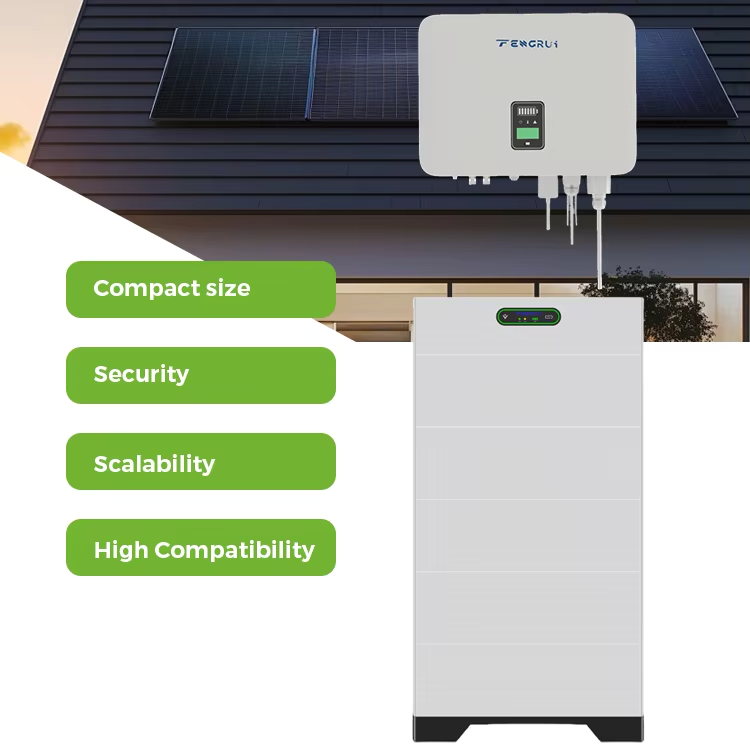
Integrating a residential energy storage system with your existing solar installation represents a significant step toward energy independence and cost optimization. This integration process involves connecting battery storage technology to your current photovoltaic setup, allowing you to capture excess solar energy during peak production hours and utilize it when the sun isn't shining. The residential system integration transforms a standard solar array into a comprehensive energy management solution that provides backup power, reduces grid dependence, and maximizes the financial benefits of your solar investment.
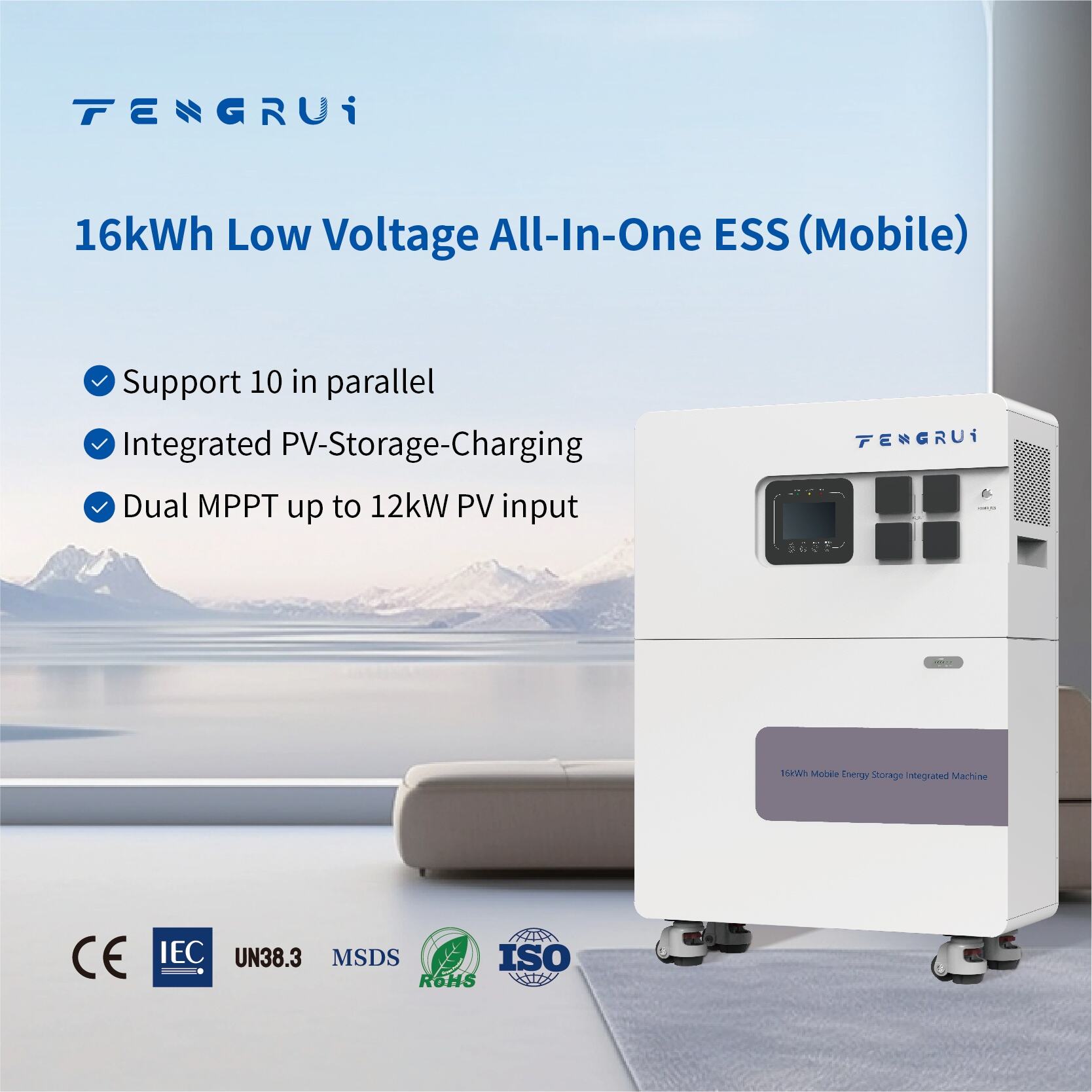
Successfully implementing a residential system integration requires careful planning, technical expertise, and understanding of both electrical systems and local regulations. The complexity of this integration depends on your existing solar setup, local utility requirements, and your specific energy goals. Modern residential energy storage systems offer advanced features like smart monitoring, automatic load management, and seamless grid interaction, making the integration process more streamlined than ever before.
Understanding Your Current Solar Infrastructure
Evaluating Existing Solar Components
Before integrating any residential system, you must thoroughly assess your current solar installation's components and configuration. This evaluation begins with examining your solar panels, inverter type, monitoring systems, and electrical panel capacity. String inverters, power optimizers, and microinverters each present different integration opportunities and challenges when adding energy storage capabilities to your residential system setup.
The age and condition of your existing equipment significantly impact integration complexity and cost. Newer solar installations with string inverters often provide straightforward integration paths, while older systems may require component upgrades or replacement. Your electrical panel's available space and amperage capacity determine whether additional electrical work is necessary to accommodate the residential system components safely and effectively.
Assessing Energy Production Patterns
Understanding your solar energy production patterns helps determine the optimal residential system size and configuration for your specific needs. Analyze your historical solar production data, noting seasonal variations, daily peak production times, and any shading issues that affect panel performance. This data guides decisions about battery capacity, charging strategies, and load management priorities within your integrated residential system.
Energy production assessment also reveals opportunities for system optimization through better positioning, additional panels, or upgraded components. Some homeowners discover that upgrading their solar capacity alongside residential system integration provides better overall value and performance than storage alone. Consider consulting with solar professionals to identify potential improvements that enhance both current production and future storage integration effectiveness.
Planning the Integration Process
Determining System Requirements
Proper residential system integration begins with defining your energy storage goals and requirements. Consider whether you prioritize backup power during outages, time-of-use optimization to reduce electricity costs, or maximum energy independence from the grid. These priorities influence the type, size, and configuration of the residential system components you select for integration with your existing solar installation.
Calculate your daily energy consumption patterns, identifying critical loads that must remain powered during outages versus non-essential appliances that can be temporarily disconnected. This analysis helps size your residential system appropriately and ensures that integration provides meaningful benefits rather than oversized capacity that increases costs without proportional value. Factor in future energy needs, such as electric vehicle charging or home additions, when planning your residential system integration.
Selecting Compatible Components
Component compatibility represents a crucial factor in successful residential system integration with existing solar installations. Modern energy storage systems offer various integration methods, including DC-coupled solutions that connect directly to your solar array and AC-coupled systems that integrate through your home's electrical panel. Each approach offers distinct advantages depending on your existing solar configuration and integration goals.
DC-coupled residential systems typically provide higher efficiency by avoiding multiple power conversions, making them ideal for simultaneous solar and storage installations or major system upgrades. AC-coupled solutions offer greater flexibility for retrofitting existing solar installations, allowing you to add storage without modifying your current inverter setup. Consider factors like warranty compatibility, monitoring integration, and future expansion possibilities when selecting residential system components for your integration project.
Technical Integration Procedures
Electrical Connection Methods
The physical integration of a residential system with existing solar requires precise electrical connections that ensure safety, efficiency, and code compliance. Professional installation typically involves connecting the battery storage unit to your electrical panel through a dedicated circuit, installing monitoring equipment, and configuring communication between system components. The specific connection method depends on whether you choose DC-coupled or AC-coupled integration for your residential system.
Proper grounding, circuit protection, and disconnect switches form essential safety elements of any residential system integration. These components protect both your equipment and household electrical systems from potential faults or overloads. Professional installers ensure that all connections meet local electrical codes and utility requirements, reducing risks and ensuring that your integrated residential system operates safely and reliably for years to come.
System Configuration and Programming
Modern residential systems require sophisticated programming to optimize performance and coordinate with existing solar equipment. This configuration process involves setting charging and discharging parameters, establishing backup power priorities, and programming time-of-use optimization based on your utility rate structure. Advanced residential system controllers can learn your energy usage patterns and automatically adjust operations for maximum efficiency and cost savings.
Integration programming also includes setting up monitoring and communication systems that allow you to track performance, identify issues, and optimize operations remotely. Many residential systems offer smartphone apps or web-based interfaces that provide real-time data on solar production, battery status, and energy consumption. Proper programming ensures that your integrated residential system operates automatically while providing the flexibility to adjust settings as your needs change over time.
Regulatory and Safety Considerations
Permit Requirements and Inspections
Integrating a residential system with existing solar typically requires permits from local building authorities and utility approval for grid interconnection modifications. The permitting process ensures that your integration meets safety standards, building codes, and utility requirements for grid-tied energy storage systems. Experienced installers handle permit applications and coordinate required inspections, streamlining the approval process for your residential system integration project.
Inspection requirements vary by location but generally include electrical safety verification, structural assessment if wall-mounted equipment is involved, and functional testing of safety systems. Some jurisdictions require additional permits for battery installations due to fire safety concerns, particularly for lithium-ion residential systems. Understanding local requirements early in the planning process helps avoid delays and ensures your integrated residential system meets all applicable regulations and standards.
Utility Interconnection Standards
Utility companies maintain specific standards for residential systems that connect to the electrical grid, including requirements for anti-islanding protection, power quality, and communication protocols. These standards ensure that your integrated residential system operates safely with the grid and doesn't interfere with utility operations or other customers. Modern residential systems include built-in features that automatically comply with most utility requirements, but verification and approval are still necessary.
Some utilities offer special rate programs or incentives for residential systems that can provide grid services like frequency regulation or demand response. Understanding these programs during the integration planning phase may influence your residential system selection and configuration. Work with qualified installers who understand local utility requirements and can ensure that your integrated residential system meets all necessary standards for safe and legal operation.
Optimizing Performance Post-Integration
Monitoring and Maintenance Protocols
Regular monitoring ensures that your integrated residential system continues operating efficiently and identifies potential issues before they impact performance. Modern residential systems provide comprehensive monitoring capabilities that track solar production, battery performance, energy consumption, and system health indicators. Establishing routine monitoring habits helps you understand your system's performance patterns and identify opportunities for optimization or maintenance.
Preventive maintenance for integrated residential systems includes periodic inspection of electrical connections, cleaning of monitoring equipment, and verification that safety systems function properly. Battery maintenance requirements vary by technology, with some residential systems requiring minimal intervention while others benefit from periodic capacity testing or balancing procedures. Following manufacturer recommendations and working with qualified service providers ensures that your integrated residential system maintains optimal performance throughout its operational life.
Performance Optimization Strategies
Maximizing the benefits of your integrated residential system involves ongoing optimization of charging schedules, load management, and grid interaction strategies. Many residential systems offer programmable features that can be adjusted seasonally or in response to changing utility rates, energy usage patterns, or equipment additions. Regular performance review helps identify opportunities to improve efficiency, reduce costs, or enhance backup power capabilities.
Advanced optimization strategies for residential systems include coordinating with smart home devices, participating in utility demand response programs, and adjusting operations based on weather forecasts or time-of-use rates. Some homeowners find that small adjustments to their residential system programming can yield significant improvements in energy independence, cost savings, or backup power duration. Staying informed about new features and optimization techniques helps you maximize the value of your integrated residential system investment.
FAQ
Can I integrate a residential system with any type of existing solar installation?
Most existing solar installations can accommodate residential system integration, though the complexity and cost vary depending on your current setup. String inverter systems typically offer the most straightforward integration paths, while microinverter and power optimizer systems may require specific compatible residential system types. Older installations might need component upgrades to ensure safe and efficient integration with modern energy storage technology.
How long does the integration process typically take?
Residential system integration with existing solar usually takes 1-3 days for the physical installation, plus additional time for permitting and utility approval processes. Simple AC-coupled integrations often complete faster than DC-coupled installations that require more extensive electrical work. The total timeline from initial assessment to final activation typically ranges from 4-8 weeks, depending on local permit processing times and utility approval procedures.
Will integrating a residential system affect my existing solar warranties?
Proper residential system integration by qualified professionals typically doesn't void existing solar warranties, but it's important to verify this with your original solar installer and equipment manufacturers. Some solar companies offer warranty extensions or additional coverage when they perform the integration work. Always review warranty terms and obtain written confirmation that your integrated residential system installation won't affect existing coverage for your solar components.
What happens to excess energy when my residential system battery is full?
When your residential system battery reaches full capacity, excess solar energy typically flows back to the grid through your existing net metering agreement, just as it did before integration. Advanced residential systems can be programmed to prioritize different energy flows based on time-of-use rates, grid conditions, or your specific preferences. Some systems also offer the ability to divert excess energy to other loads like water heating or electric vehicle charging when the battery is full.